
Last updated November 25, 2026
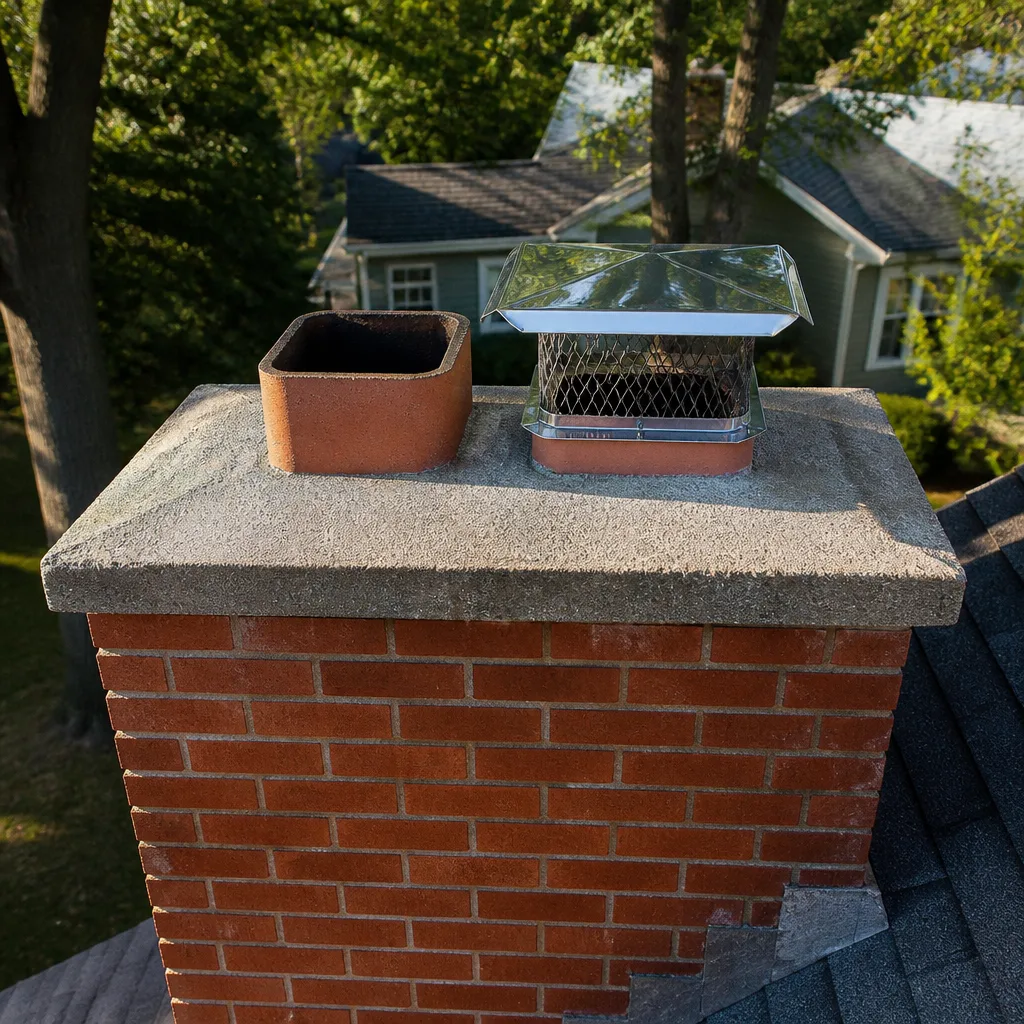 Sweep & inspection
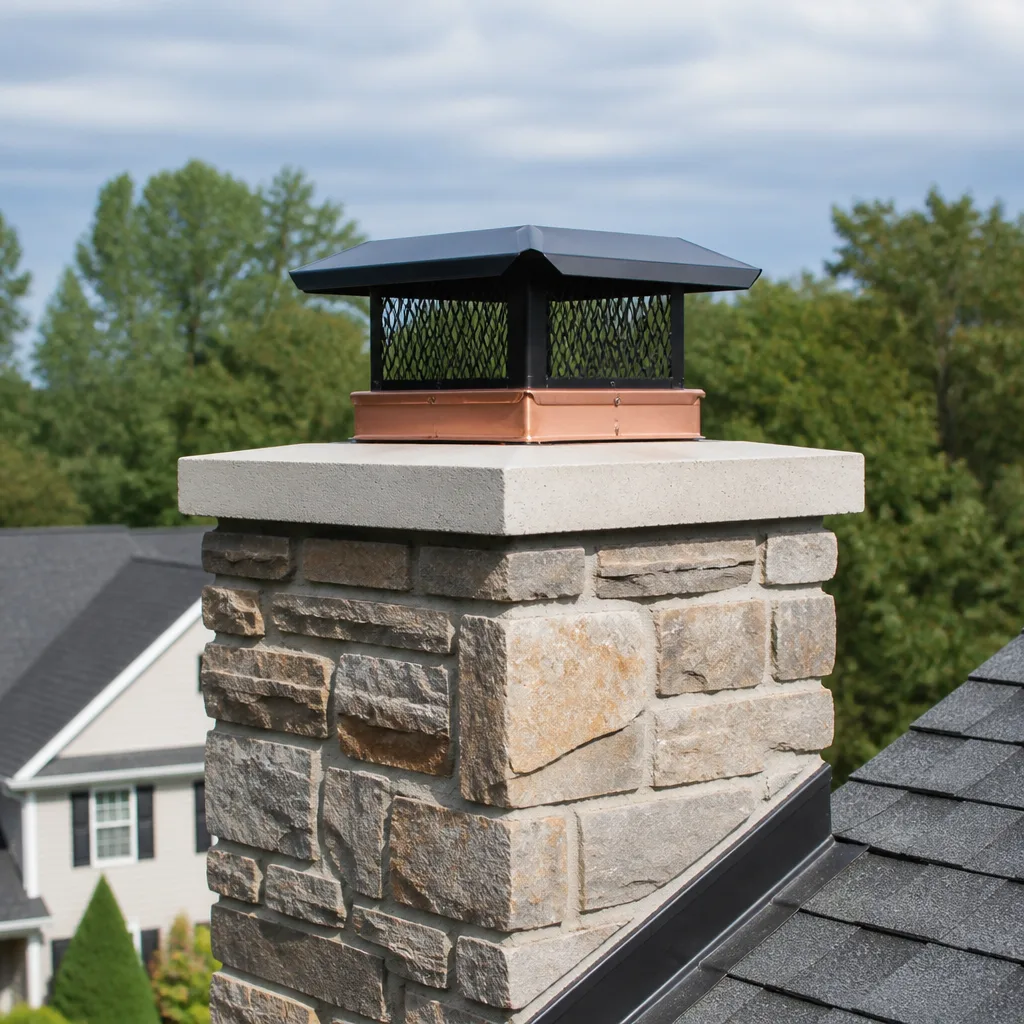 Caps & crowns
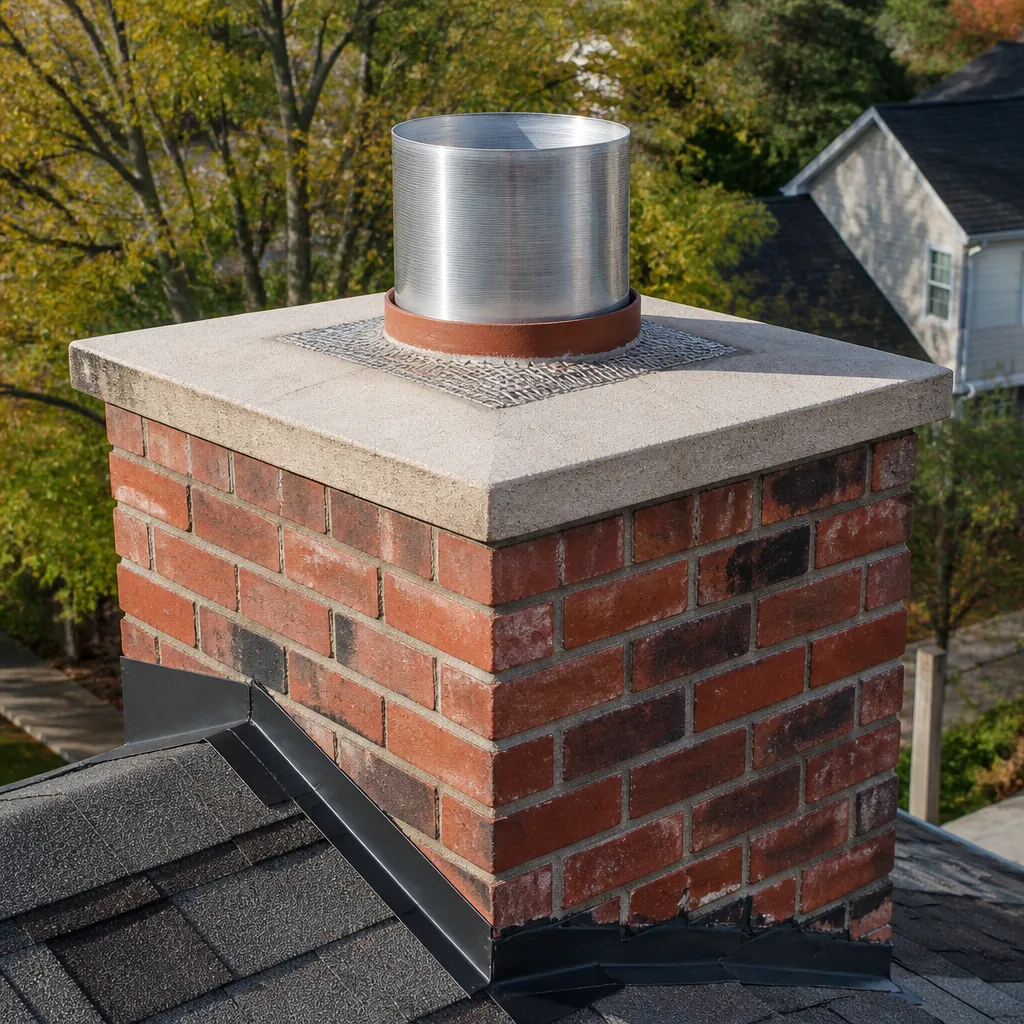 Flue relining
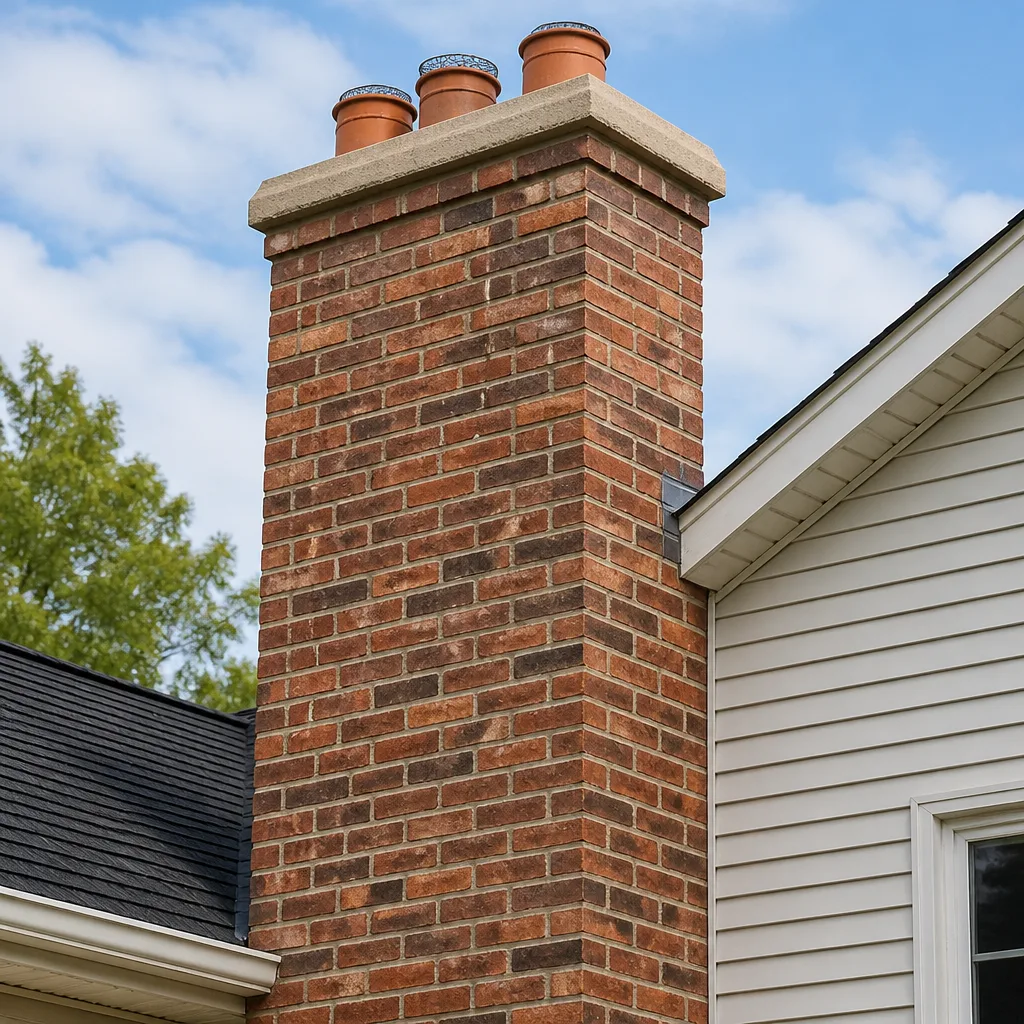 Masonry repair
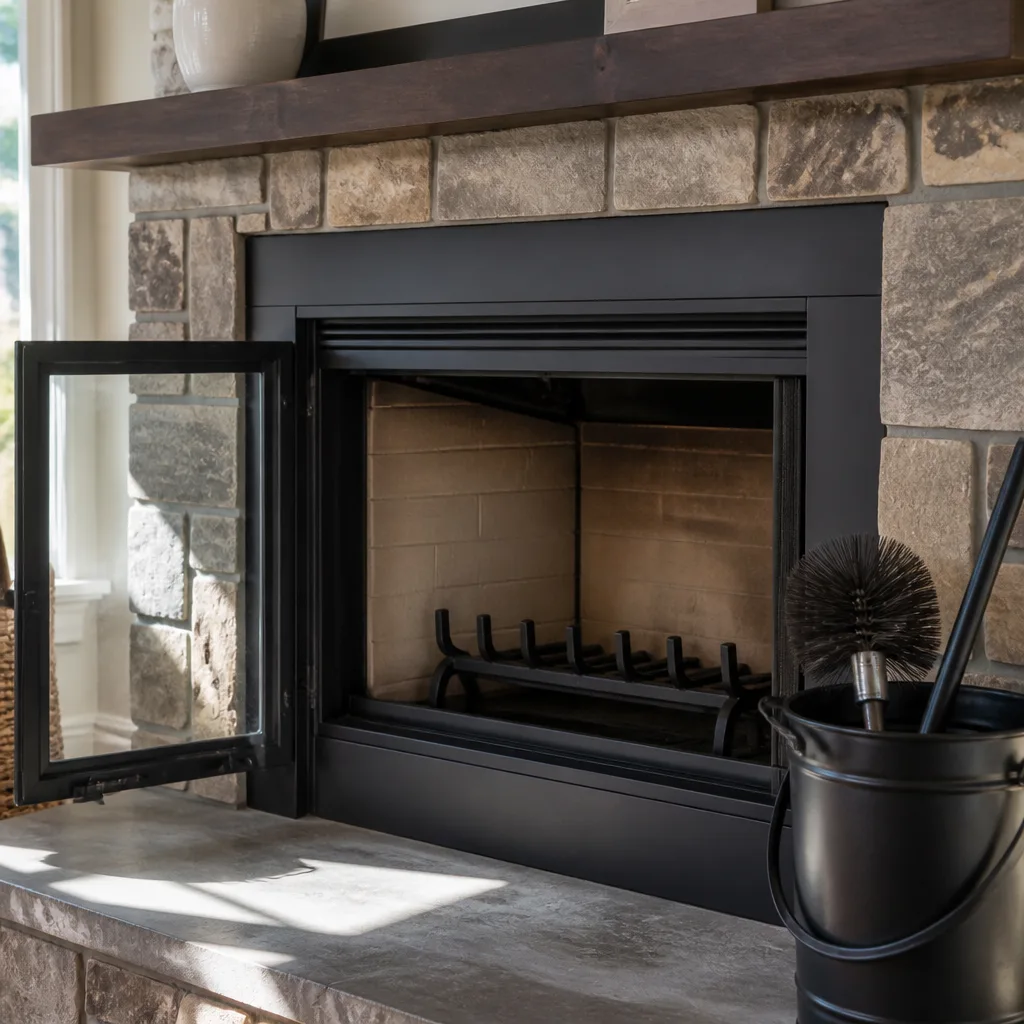 Gas fireplace service
Level 1 sweep and inspection to the NFPA 211 annual standard - flue, crown, cap, and flashing checked and photographed
Chimney sweep logs do not sweep chimneys. They loosen some creosote - which then falls where a brush and vacuum still have to collect it.
How to Hire a Chimney Cleaning Contractor in Woodside: A Step-by-Step Guide
The cheapest quote you get for a chimney cleaning in Woodside is often the one from a contractor who carries no commercial liability insurance. That’s not a knock on small operators; it’s a structural fact about this trade. There is almost no barrier to entry. Anyone who can buy a brush and put a name on a van can market themselves as a chimney sweep, and nothing about the word “sweep” is regulated the way electricians or plumbers are. So the insurance question matters more here than it does almost anywhere else: if a fire or structural problem traces back to their work, the loss comes out of your homeowner’s policy, not theirs. This guide gives you the exact questions and documents that separate a trained, insured specialist from someone who bought a brush last month. We’ll walk through credentials, verification, red flags, and what a real report should look like when the job is done.
Quick Answer
To hire a chimney cleaning contractor in Woodside, verify three things before you book: proof of current commercial liability insurance, a written scope of work for the specific service, and credentials that show the contractor inspects the full system rather than just sweeping the flue. Ask what they’ll check beyond the flue opening, confirm you’ll receive written findings, and be wary of anyone who quotes a price without seeing the chimney or pushes you to approve repairs on the spot.
Styles & brands we work with
- Sweep & inspection
- Caps & crowns
- Flue relining
- Masonry repair
- Gas fireplace service
Table of Contents
- Why Hiring a Chimney Contractor Is Harder Than It Looks
- What Credentials Actually Mean (and What They Don’t)
- Five Questions to Ask Before You Book
- How to Verify Insurance and What Coverage Is Appropriate
- Red Flags in Chimney Cleaning Ads
- What a Legitimate Post-Service Report Should Contain
- Why Woodside Chimneys Need Different Attention Than You’d Expect
- What Chimney Work Typically Costs and What Drives the Price
Why Hiring a Chimney Contractor Is Harder Than It Looks
Chimney sweeping is one of the few home services with essentially no barrier to entry. There’s no state license for chimney sweeps in New York in the way there is for electricians or plumbers. Anyone can print “chimney sweep” on a business card, and there’s no gatekeeper to stop them. That means the burden of vetting falls on you, the homeowner, and it falls hard.
In Woodside, that gap between real specialists and casual operators is especially visible. The neighborhood is dense with older attached homes and semi-detached houses, many of them with masonry chimneys that have served wood-burning fireplaces for decades. A chimney on an attached row house in Woodside is not a freestanding structure; it shares walls, rooflines and structural connections with your neighbor’s. When something goes wrong, it can affect more than just your unit.
Here’s what makes the vetting problem worse: most homeowners only need a chimney sweep once a year, maybe less. There’s no repetition to build a relationship, no word-of-mouth feedback loop the way there is with a barber or a mechanic. You hire a stranger once, you hope they did it right, and you don’t find out for another twelve months – if ever.
So the practical question isn’t “who’s cheapest” or “who can come fastest.” It’s this: can this contractor show you credentials, insurance and a written process that demonstrate they actually understand what’s inside your chimney? That’s what the rest of this guide walks through.
What Credentials Actually Mean (and What They Don’t)
CSIA certification is the recognized baseline for chimney sweeps in the United States. The Chimney Safety Institute of America issues it, and it confirms the holder has passed a written exam and agreed to a code of ethics. When you’re comparing contractors in Woodside, a current CSIA certification is the floor – the minimum you should accept.
But certification alone only tells you the person can sweep a flue safely. It does not tell you whether they can inspect the whole system. That distinction matters because most chimney problems start somewhere other than the flue opening: a cracked crown, a failing cap, a damaged firebox, deteriorating mortar in the smoke chamber. A basic sweep may brush the flue and never notice any of it.
What to look for beyond CSIA:
- NFI certification. The National Fireplace Institute certifies technicians in specific fuel types – wood, gas, pellet. NFI credentials indicate the contractor understands how your specific appliance is supposed to perform, not just how to clean a flue.
- Continuing trade training. Look for contractors who can name specific training programs they’ve completed and specific product systems they install – HeatShield flue resurfacing, DuraFlex liner components, Copperfield or Famco components. A contractor who installs these systems regularly will know how they interact with your existing chimney.
- Full-system service capability. A contractor who only sweeps will refer you to someone else for a crown repair or a fireplace fix. Look for a company that handles the entire system in-house: sweeping, inspection, chimney cap & crown work, fireplace repair, and structural chimney repair.
Ask directly: “Are you CSIA certified, and what additional training do you have?” A trained technician will answer with specifics. A casual operator will answer vaguely.
Five Questions to Ask Before You Book
These five questions reveal whether a contractor actually inspects your chimney or just sweeps and invoices. Ask them on the phone before you book. The answers will tell you most of what you need to know.
- “What will you inspect beyond the flue?” A trained contractor will name specific components: liner condition, crown integrity, cap and spark arrestor, smoke chamber, damper, firebox, mortar joints, flashing. If the answer is vague or just “the flue,” you’re talking to a sweeper, not an inspector.
- “Will I receive written findings?” A legitimate contractor documents what they find – with photos where possible – and leaves you with a written record. A contractor who says “we’ll tell you when we’re done” is not providing the kind of documentation you need for your insurance file or for planning a repair.
- “Are you insured, and can you send proof before the visit?” Ask for a certificate of insurance naming the coverage amounts. More on this below, but the key is that they can send it without hesitation.
- “Is the price a flat fee for the service, or does it change based on what you find?” Either answer can be legitimate – some jobs require a different price once the scope is clear – but the pricing structure should be explained upfront and confirmed in writing. Vague pricing is a red flag.
- “If you find a problem, what happens next?” A trained contractor will explain the finding, show you the evidence, and let you decide. They won’t pressure you to approve a repair before you’ve had time to think. If a contractor says “we can fix that right now, but the price goes up tomorrow,” that’s a pressure tactic, not a fair offer.
We ask ourselves these questions routinely when we evaluate other trades. The answers matter, and the best contractors in Woodside will give you detailed ones without irritation.
How to Verify Insurance and What Coverage Is Appropriate
Insurance verification is the step most Woodside homeowners skip, and it’s the one that matters most when something goes wrong. Here’s why: if an uninsured contractor causes a fire or water damage during a sweep, your homeowner’s policy typically covers it – but filing a claim can raise your premium and impact your coverage history. If the contractor is properly insured, the claim goes against their commercial general liability policy instead.
What to ask for:
- A certificate of insurance (COI) listing general liability coverage, sent directly from the contractor’s insurer or agent. Anyone can produce a piece of paper; a COI that comes from the insurance company is more reliable.
- Coverage that reflects the scale of the work. Chimney work on an attached Woodside row house involves fire risk adjacent to shared structural elements. The coverage should be in line with that exposure. Ask what the general liability limit is, and if the answer comes back very low, ask whether the work is covered by an umbrella policy. You don’t need to be an insurance expert to hear a good answer or a bad one.
- Workers’ compensation coverage if the contractor brings employees. If a technician is injured on your property and there’s no workers’ comp, the liability question can turn toward you.
Once you have the COI, take three minutes to call the phone number on it and confirm the policy is active. Insurance certificates can be outdated or forged; the phone number on the certificate goes to the real insurer, and they can confirm the policy is in force. If a contractor in Woodside hesitates to provide a certificate at all, that’s your answer – move on.
Red Flags in Chimney Cleaning Ads
Woodside has no shortage of chimney cleaning listings, and some of them are written to hide more than they reveal. Here’s what to watch for when you’re evaluating an ad or a website:
- Vague or missing pricing. A contractor who won’t give you a rough range for a standard sweep – or who won’t explain what the price includes – is either improvising or deliberately hiding what the price will actually be. Ask for a number in advance; a legitimate contractor can give you a range.
- No written scope of work. If the contractor won’t tell you in writing what they’ll do, it’s impossible to verify afterwards whether they did it. Insist on a scope that itemizes the inspection points and the cleaning procedure before the visit.
- Pressure to approve same-day repairs. This is the most common pattern we hear about, and it’s worth a second look. A contractor finds a problem, quotes a repair on the spot, and pressures you to approve it before you can get a second opinion. The repairs may be real, but the pressure is not. A trained contractor will show you the evidence, explain what they found, and let you think about it.
- Quotes given without seeing the chimney. Any price quoted before an inspection is at best an estimate. A contractor who gives you a firm price on a job they haven’t looked at is either padding high or planning to change the number once they’re on site.
- Calls every season to say you need a cleaning. Routine chimney sweeping has value, but if a contractor is calling you every few months with a “now-or-never” framing, treat it as marketing rather than professional advice. Your chimney really only needs sweeping when there’s a meaningful creosote buildup.
What a Legitimate Post-Service Report Should Contain
After the sweep is complete, what you receive is often the most important document in the relationship. A post-service report is the record that tells you what condition your chimney is in, what (if anything) needs attention, and when to schedule the next service. If a contractor won’t provide one, you’re left holding a brush-and-go invoice with no way of knowing whether you need a repair in six months or six years.
Here’s what a real report should include:
- The cleaning work performed – flue size, method used, and the observed degree of creosote accumulation. This matters because creosote buildup drives the timing of your next sweep.
- The inspection findings, component by component – liner, crown, cap, firebox, smoke chamber, damper, mortar joints, flashing. Not just “chimney in good condition,” but each item separately.
- Photographs. If a finding needs a repair, you should be able to see the evidence. A crown crack or a failing liner flue photo is worth ten minutes of verbal explanation, and it also gives you something to show your insurance company if a claim ever arises.
- Specific recommendations with priority. If a repair is urgent, it should be marked urgent. If something can safely wait, that should be stated plainly. A report that flags every possible issue as needing immediate action is as unhelpful as one that flags nothing.
- The date of the service and the name of the technician or company that performed it. For your home maintenance records, and for the next contractor who looks at the chimney.
If a contractor won’t put findings in writing, that’s the liability. Your homeowner’s policy, your future repair planning, and any claim you might need to file all depend on having a written record. A camera scope and written report should be standard, not an upsell.
Why Woodside Chimneys Need Different Attention Than You’d Expect
Woodside’s climate presents its own set of conditions for chimney systems, and those conditions affect what “good” chimney maintenance actually looks like here. The winters are cold enough to freeze water in masonry. The building stock is dense and old: many homes in Woodside have chimneys that date back to construction decades ago, with masonry that has absorbed decades of moisture and thermal cycling.
Here’s what that combination means in practice:
- Crowns crack. A masonry chimney crown is a thin slab of concrete or mortar at the top of the chimney. Winter freeze-thaw cycles crack crowns in Woodside faster than in warmer climates. A cracked crown lets water into the chimney body, which leads to spalling brick and mortar failure over time. Every inspection should check the crown.
- Chimney caps matter. Woodside sees a lot of rain, and rain entering through an uncapped chimney is one of the most common causes of flue damage. A cap installed properly with the right materials (Famco and Copperfield components are common professional choices) is a meaningful protective step, not a cosmetic add-on.
- Attached homes raise the stakes. In dense parts of Woodside and nearby neighborhoods like Sunnyside and Astoria, many homes are attached or semi-attached. The chimney on one unit is structurally entangled with the chimney on the other. When a repair is recommended, it’s worth understanding whether one unit’s issue could affect the neighbor’s as well – a good contractor will explain this.
- Creosote accumulates differently. Cooler wood-burning seasons and habits like using unseasoned wood accelerate creosote buildup, which is the fuel that feeds chimney fires. This is why regular sweeping matters more in Woodside than a homeowner might assume.
Woodside chimneys work hard, and the difference between a superficial sweep and a full-system inspection shows up in the second and third years of homeownership, when the deferred issues start to surface.
What Chimney Work Typically Costs and What Drives the Price
Chimney work in Woodside is priced by the job, and the written estimate sets the final price. Here’s a typical breakdown of what to expect, with the caveat that every chimney is different – these are estimates to help you budget, not fixed prices:
- Standard chimney sweep: a routine cleaning for a single flue typically runs in the low-to-mid hundreds. An oversized or heavily creosote-laden flue costs more because the work takes longer.
- Chimney inspection: inspections that cover the full system (liner, crown, cap, firebox, smoke chamber) are more involved than a quick visual check and are priced accordingly.
- Crown repair or replacement: repairing a cracked crown is less expensive than replacing it, but replacement is sometimes the only durable fix. Pricing depends on the crown’s size and condition.
- Chimney cap installation: capping a flue is one of the lower-cost protective measures available. Materials (Famco and Copperfield are professional-standard) and the cap’s complexity drive the price.
- Liner restoration: HeatShield flue resurfacing is often dramatically less expensive than a full liner replacement, which is why it’s worth asking whether your liner qualifies. A full liner replacement with DuraFlex components costs considerably more – driven by liner length, flue configuration, and access.
- Fireplace repair: the cost depends entirely on the component involved – damper, firebox panels, mortar joints, or refractory brick.
One caution on price comparison: don’t compare a full-system inspection price from one contractor to a sweep-only price from another. They’re not the same service, and the cheaper quote may not tell you anything about the crown, the cap, or the liner. When you’re comparing quotes in Woodside, make sure each contractor is describing the same scope.
HeatShield and DuraFlex are worth mentioning by name because they’re the systems your contractor will use if liner repair becomes the recommendation, and they’re professional-tier – not the materials you’d find at a hardware store.
Common Mistakes to Avoid
- Hiring on price alone. The cheapest quote is often the one from the contractor without proper insurance, which means a fire or damage risk lands on your policy rather than theirs. Weigh the verification process as heavily as the price.
- Skipping the COI check. Asking for a certificate of insurance isn’t enough; call the insurer to confirm the policy is active. This takes minutes and is the single most important verification step.
- Accepting “chimney in good condition” as a report. If you don’t get written findings with specifics, you don’t have a report. Every component should be listed separately, and every recommendation should be tied to visible evidence.
- Letting urgency push you into a decision. Same-day repair pressure is the most common warning sign in chimney repairs. Even if the finding is real (and it may be), you have the right to a second opinion before authorizing a large job.
- Skipping the sweep for a season or two because “it looks fine.” Creosote buildup isn’t visible from the firebox, and a chimney with heavy creosote can look and function normally right up until it doesn’t. Regular sweeping in Woodside matters more than it might seem.
- Assuming the contractor handles the whole system. A sweep-only contractor can clean your flue but may not be able to address the crown, cap, or firebox issues they find. If you’re hiring for regular maintenance, ask what happens if a repair is needed.
- Not asking who the technician actually is. It’s worth knowing whether the person arriving is a trained, insured employee or a subcontractor. Ask; a good contractor will answer clearly.
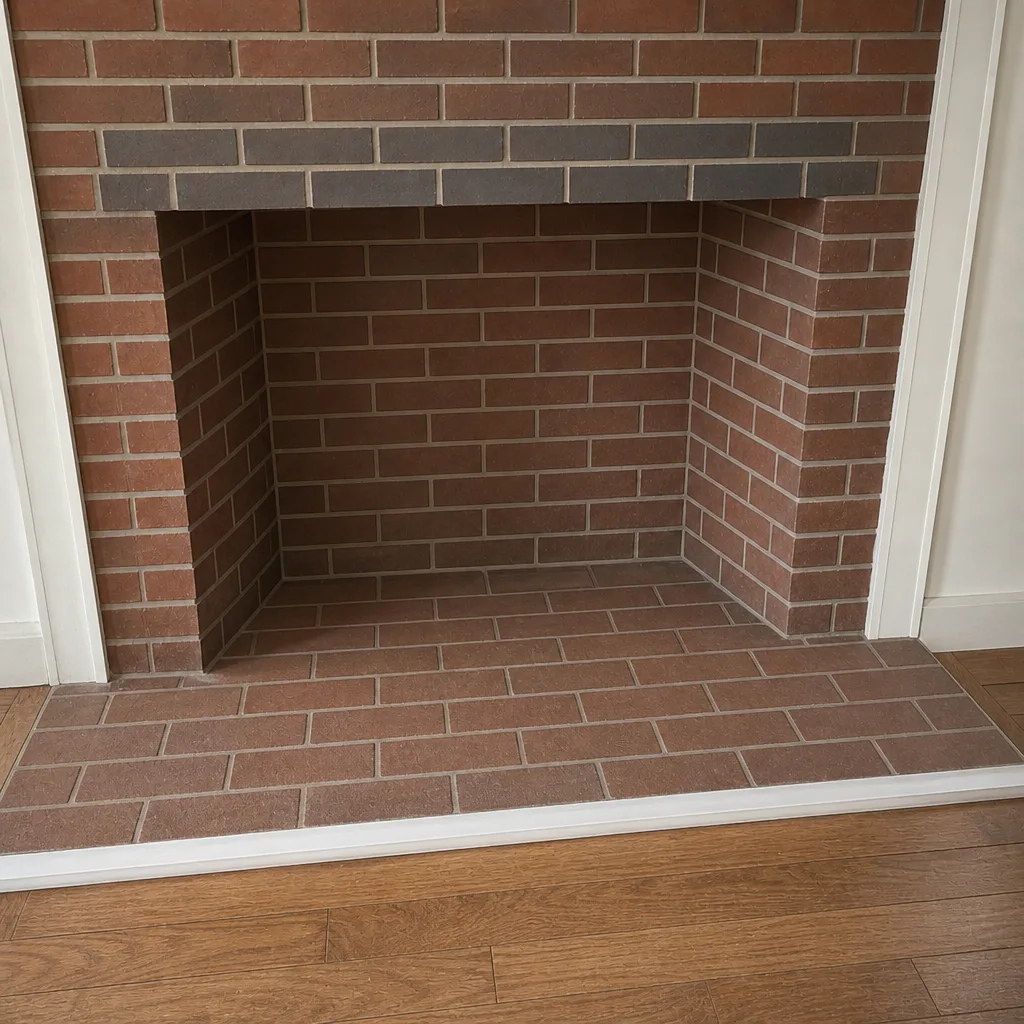
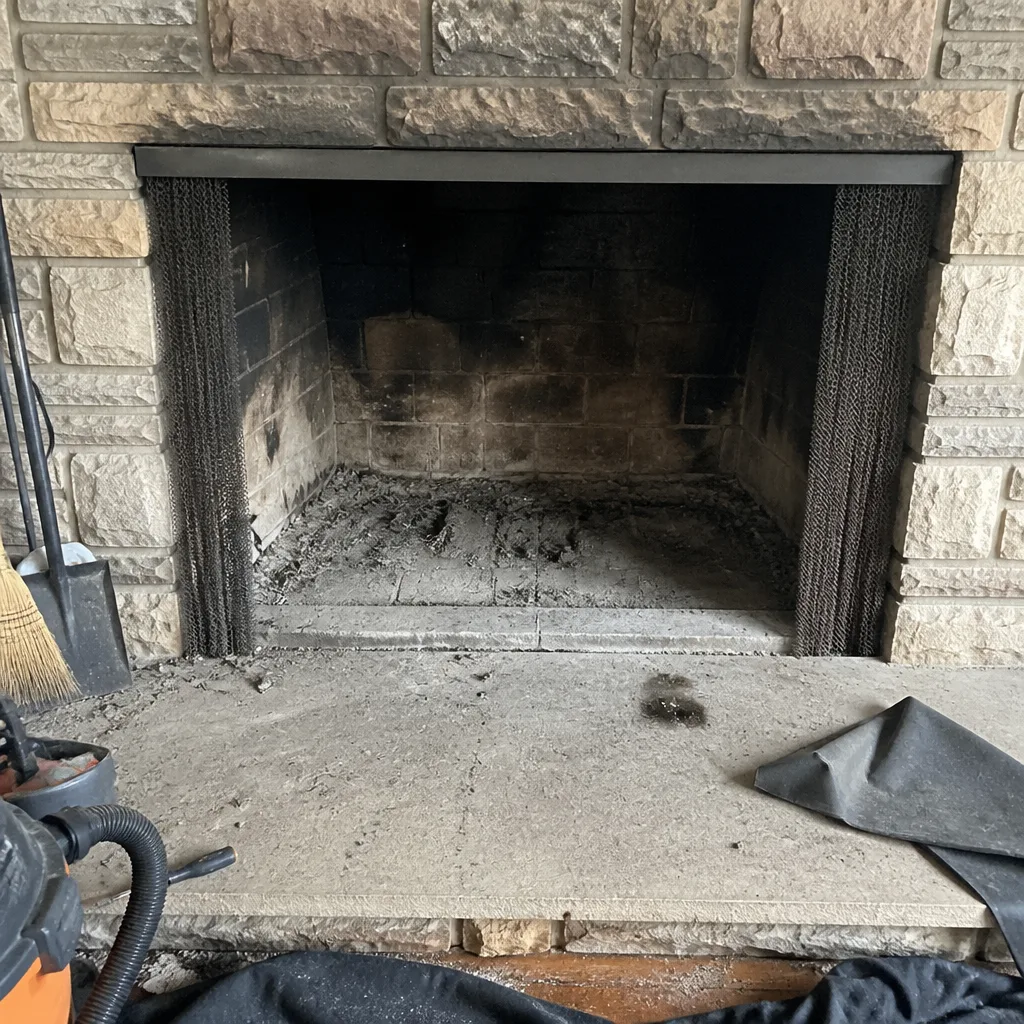
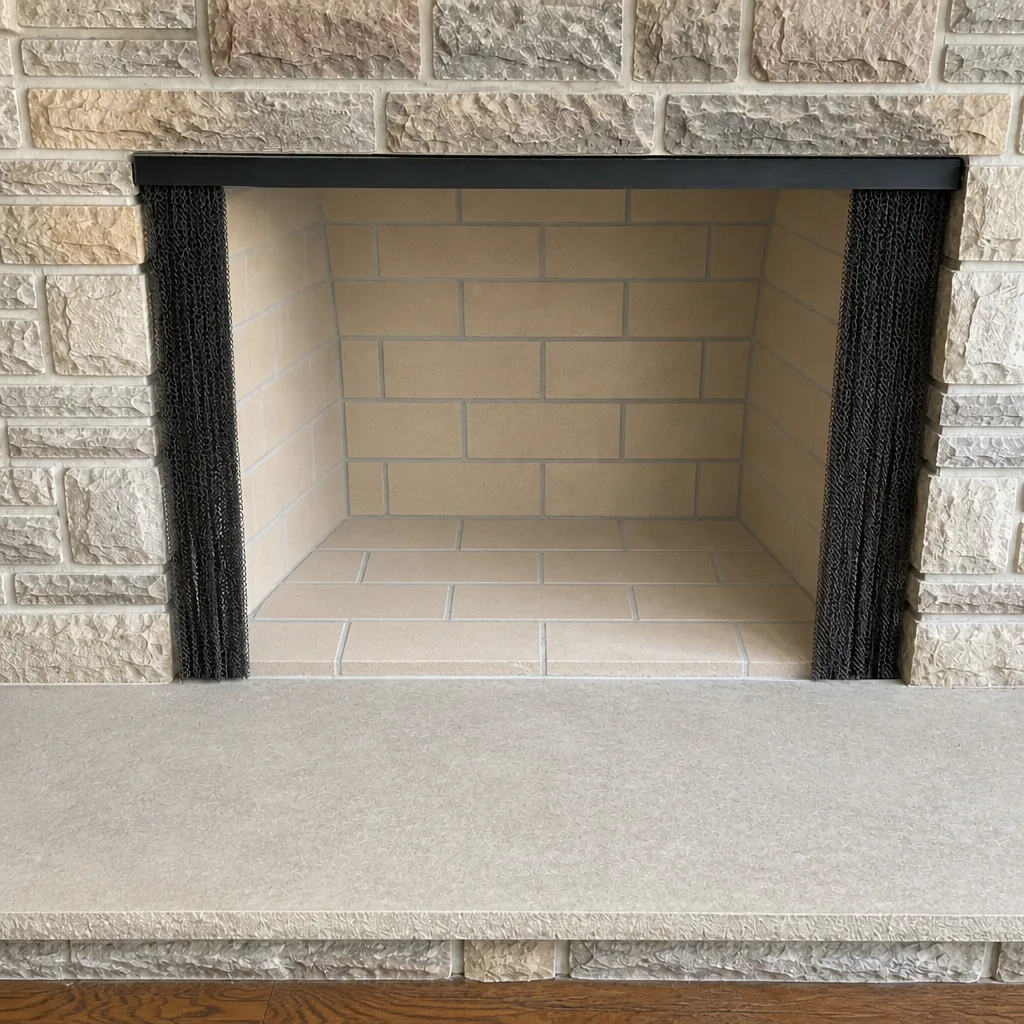
See the difference
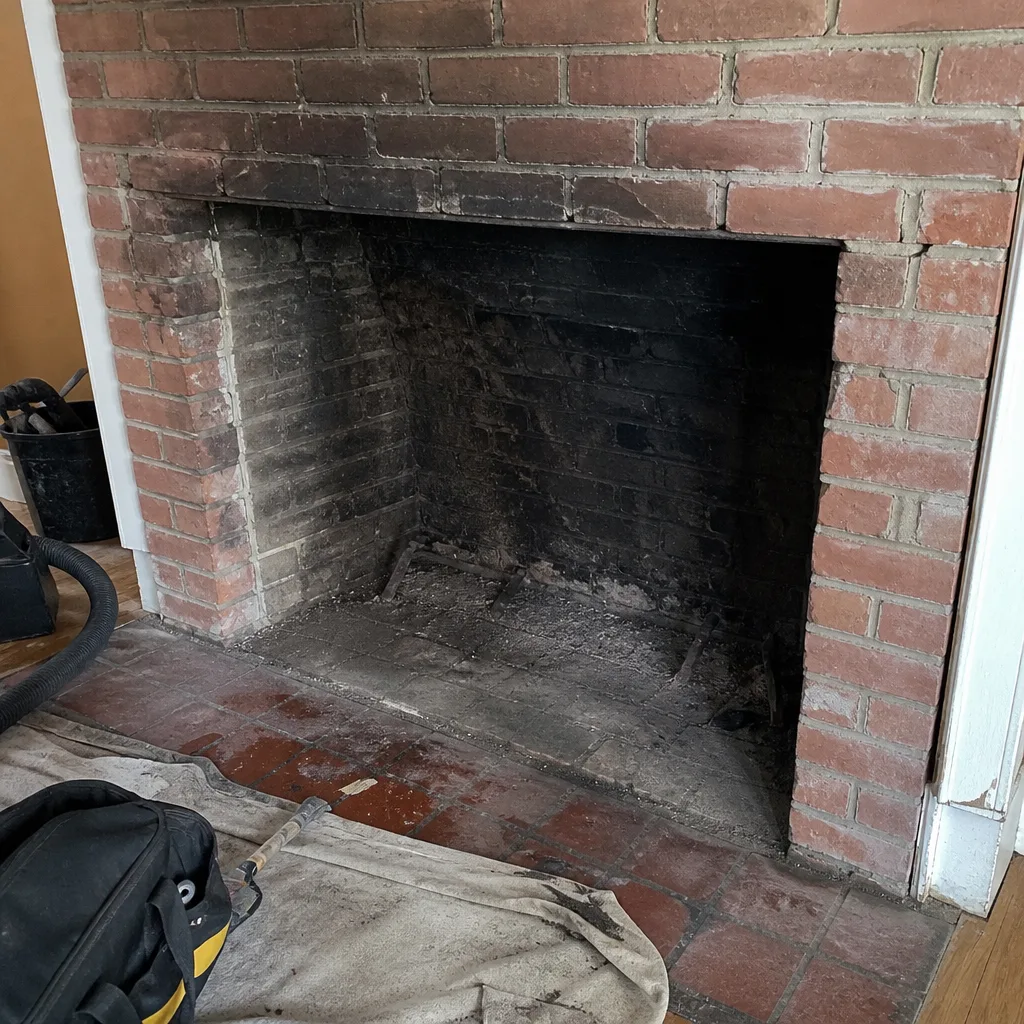 Before
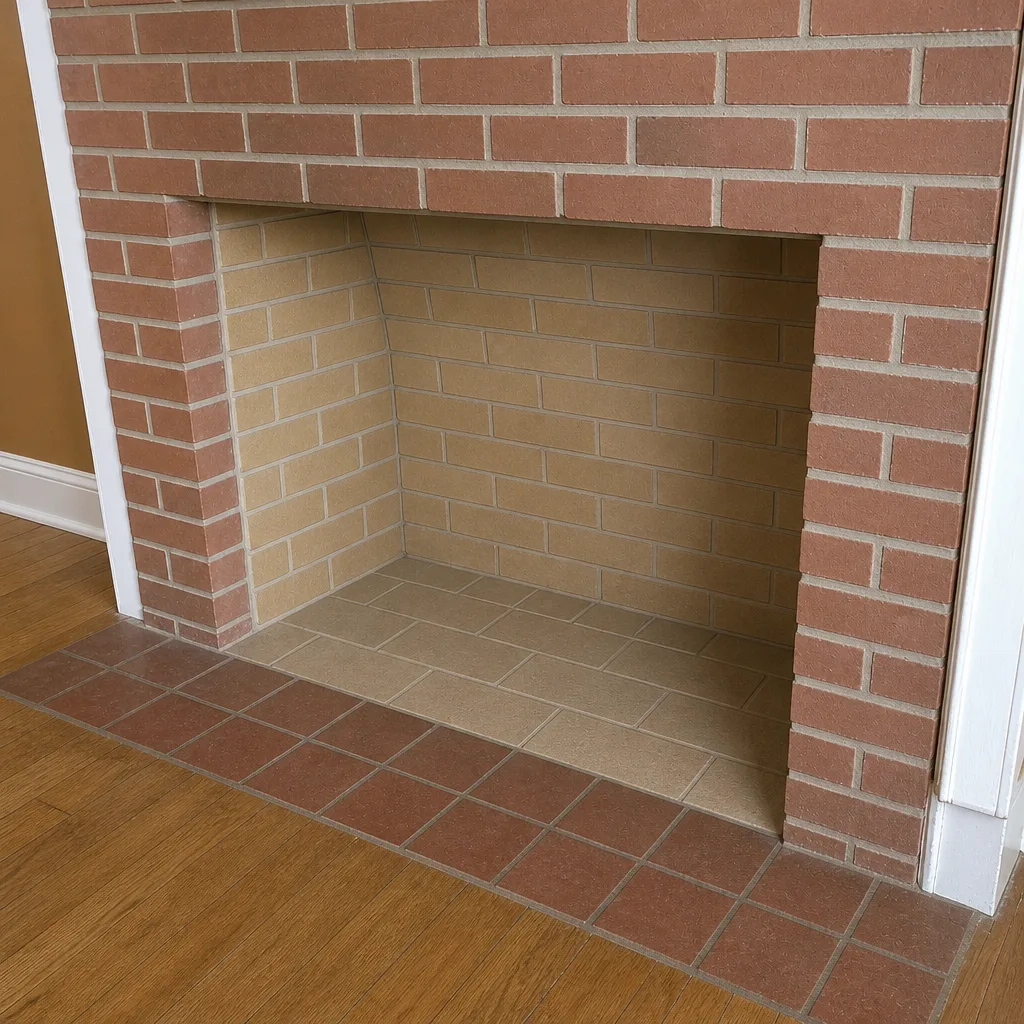 After
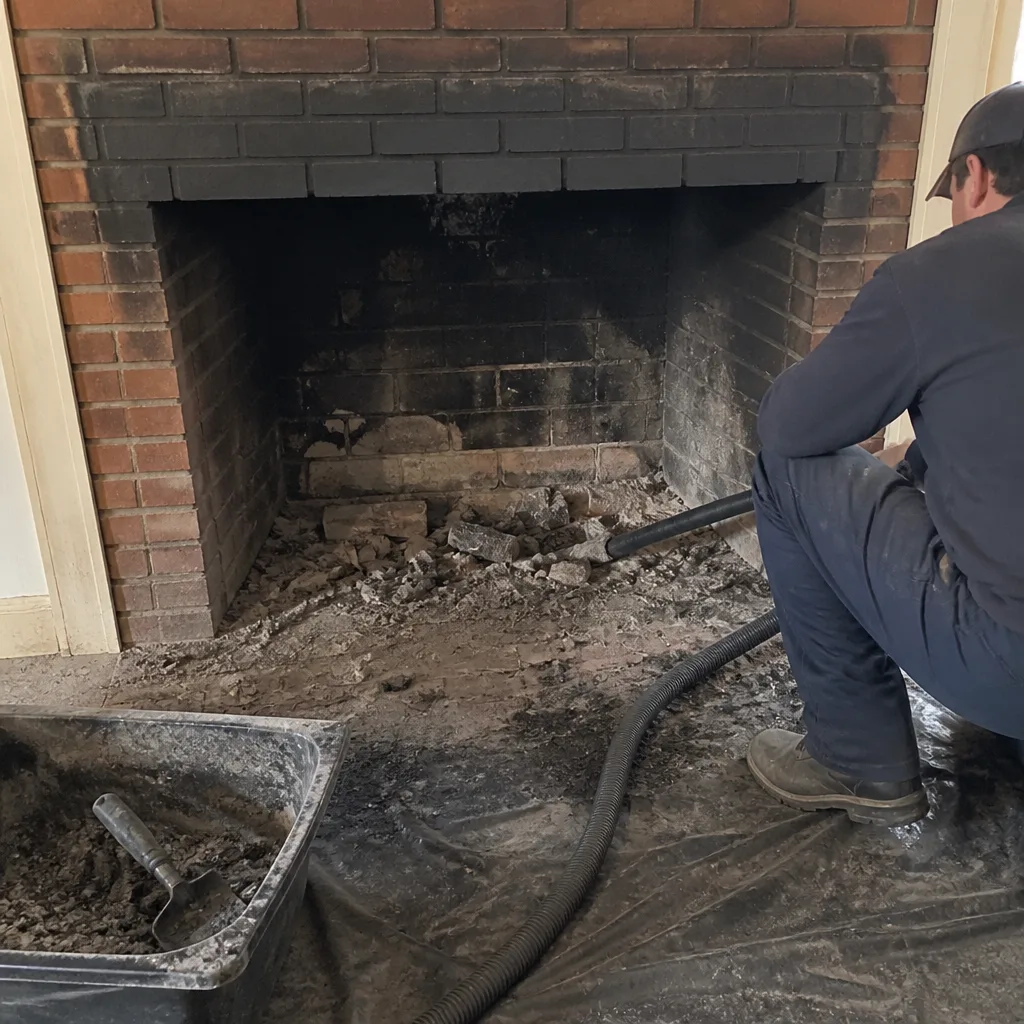 Before
 After
 Before
 After
When to Call a Professional
Call a professional chimney contractor when you can’t remember the last time the chimney was swept and the fireplace has been in regular use; when you notice visible creosote or soot buildup around the firebox opening; when the fireplace has trouble drawing smoke or pushes smoke back into the room; when you see cracked or spalling masonry on the chimney exterior; when you’re buying or selling a home and need documentation of the chimney’s condition; or when a chimney fire has occurred, even a small one that went out on its own. Don’t attempt to inspect or repair a chimney yourself – the interior flue is a confined, potentially dangerous space, and diagnosing liner or crown failure requires training and equipment.
Chimney Sweep Woodside offers free estimates in Woodside – call (855) 550-7639. We answer 24/7. Fast dispatch from 7am to 7pm, Sunday through Friday.
Frequently Asked Questions
A typical sweep for a standard single-flue chimney in Woodside is in the low-to-mid hundreds. Larger or heavily creosote-laden flues cost more, and a full-system inspection is priced separately from a basic sweep. Call (855) 550-7639 for an exact quote – estimates are free.
An annual inspection is the recommended baseline for any wood-burning chimney, and it’s especially important in Woodside where freeze-thaw cycles crack crowns and mortar faster than in milder climates. An inspection verifies liner condition, crown integrity, cap performance and firebox health – not just the creosote level in the flue.
A sweep cleans the flue; an inspector evaluates the entire chimney system – liner, crown, cap, firebox, smoke chamber, damper, mortar and flashing – and produces written findings. A trained full-system technician does both. Ask any contractor in Woodside which of these they are before you book.
Request a certificate of insurance from the contractor’s insurer, then call the phone number on the certificate and confirm the policy is active. You don’t need to be an insurance expert to evaluate the answer – if it’s vague, or if the contractor hesitates to provide the certificate, move on. Chimney work carries fire risk, and insurance is the proof that the contractor is taking that risk on, not you.
Creosote continues to accumulate, and it becomes more combustible as it thickens. A chimney with heavy creosote buildup has a higher risk of a chimney fire the next time you light a fire. Carbon monoxide risk also rises if the flue becomes obstructed by soot, debris, or a nesting animal. Skipping a sweep saves a modest amount of money today and defers a much larger cost. Call (855) 550-7639 for an exact quote – estimates are free.
Some homeowners do perform basic sweeping with rods and brushes, but inspecting the liner, crown, and firebox is a separate matter that requires training and equipment. The interior flue is a confined space, and diagnosing a cracked liner or failing crown by eye from the roof is unreliable. Hire a professional for the inspection, at minimum. Most homeowners find the combination of sweeping, inspecting, and documenting is worth paying for.
The Bottom Line
Hiring a chimney contractor in Woodside is mostly a verification exercise. CSIA certification is the floor – the minimum you should accept – but what you’re really checking is insurance, documentation, and whether the contractor inspects the full system or just sweeps the flue. Ask the five questions above before you book, verify the COI with the insurer, and refuse to accept verbal findings as your report. A contractor who answers these questions with specifics, who sends a COI without hesitation, and who leaves you with written findings and photographs is a contractor worth hiring. Anyone who avoids these steps is asking you to take on risks that belong to them. Chimney Sweep Woodside is here to help if you’re in Woodside and ready to book. Call (855) 550-7639 for a free estimate. We answer 24/7. Fast dispatch from 7am to 7pm, Sunday through Friday.
Written by the team at Chimney Sweep Woodside.