
Last updated November 25, 2026
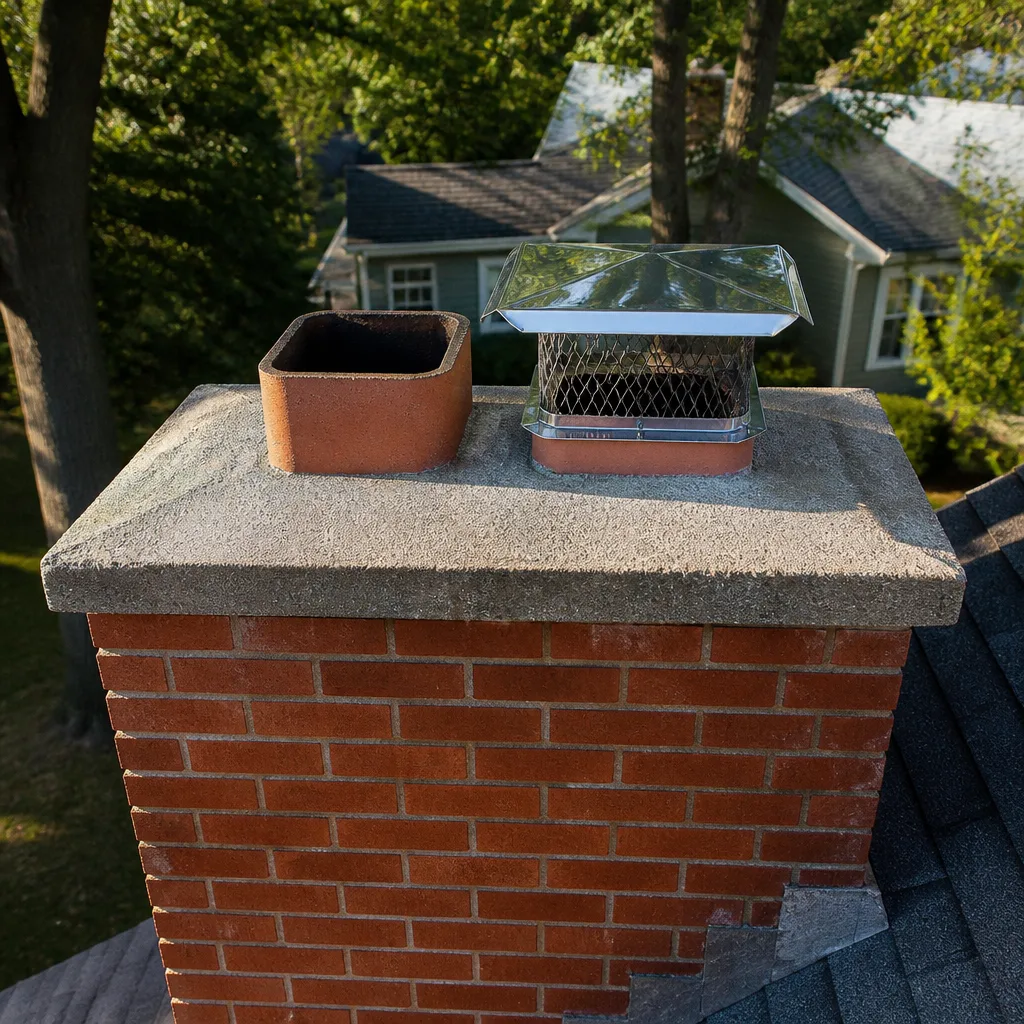 Sweep & inspection
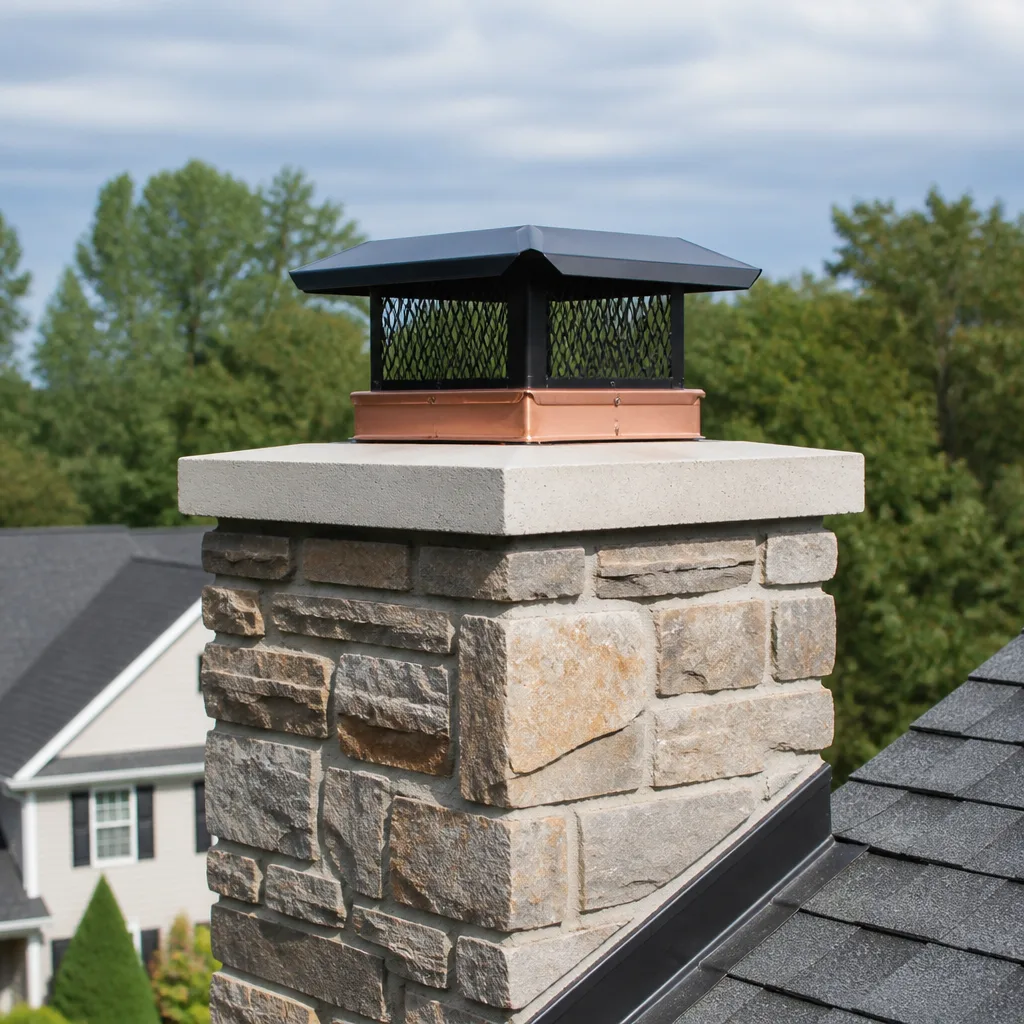 Caps & crowns
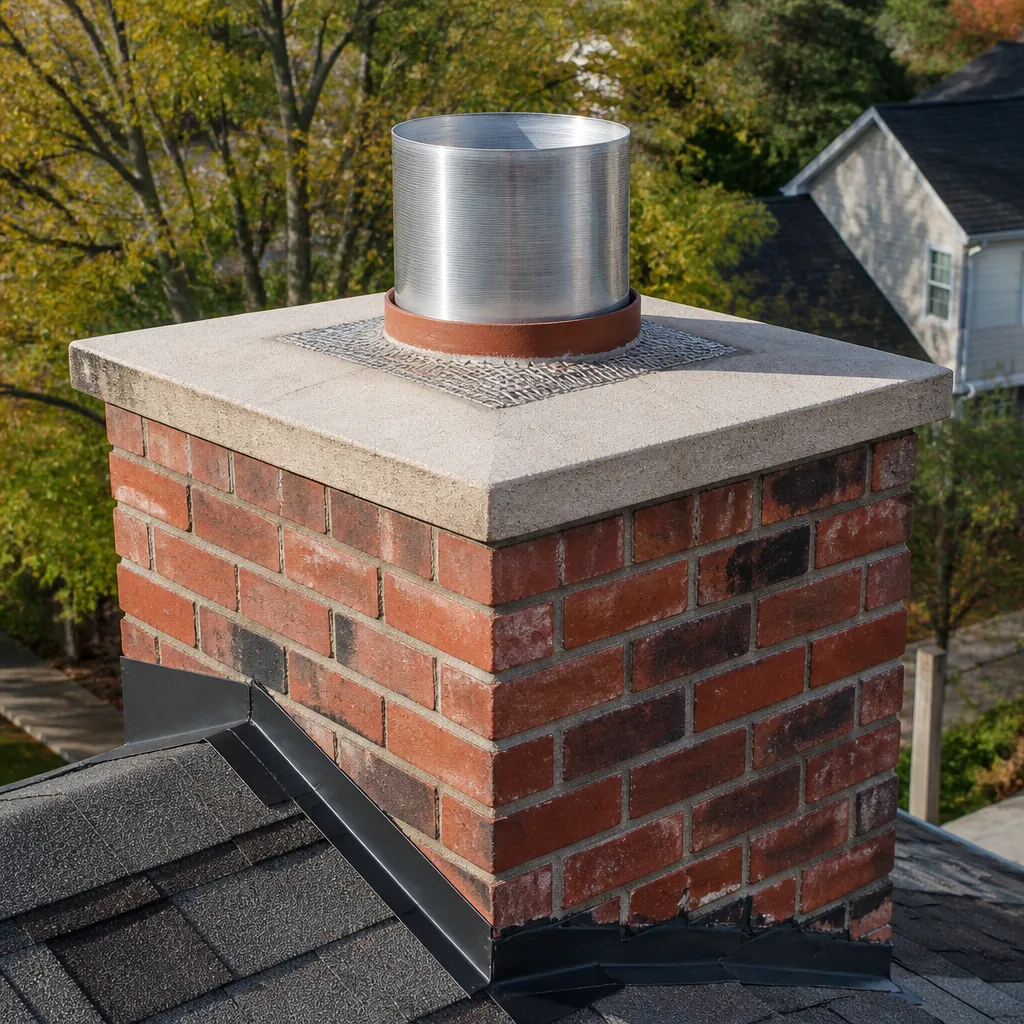 Flue relining
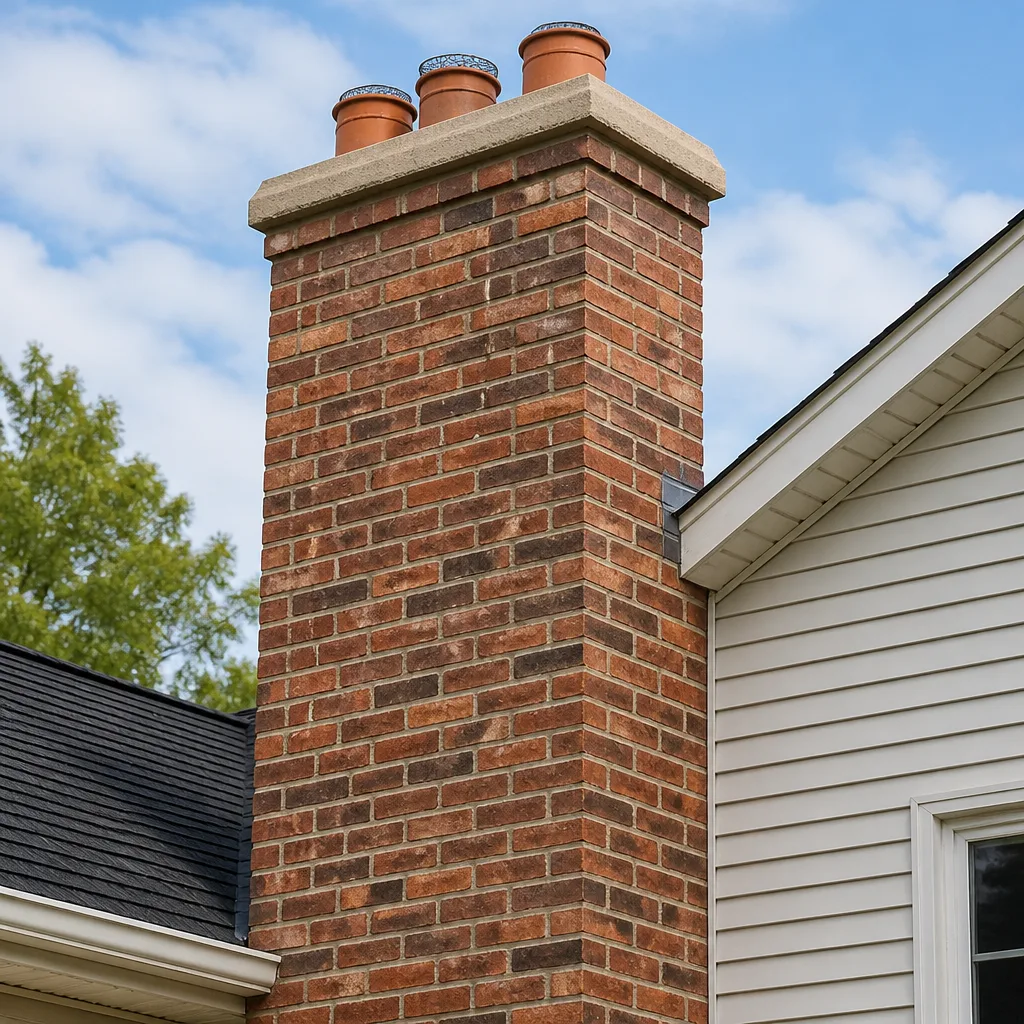 Masonry repair
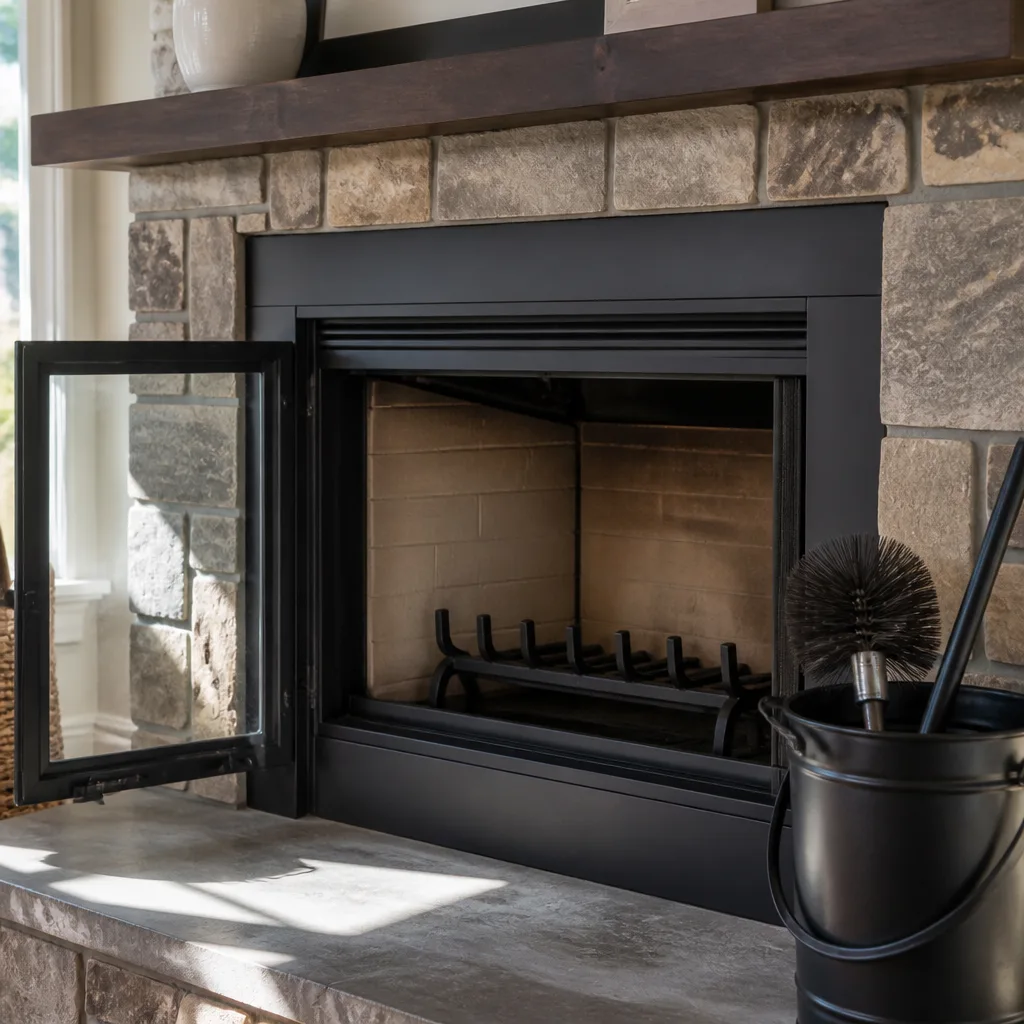 Gas fireplace service
Level 1 sweep and inspection to the NFPA 211 annual standard - flue, crown, cap, and flashing checked and photographed
Chimney sweep logs do not sweep chimneys. They loosen some creosote - which then falls where a brush and vacuum still have to collect it.
Seasonal Chimney Cleaning Care for Woodside: Year-Round Homeowner’s Guide
Most homeowners in Woodside book their chimney sweep in October, right before the first fire of the season. That timing feels responsible, but it’s backwards. Winter is when water gets into a chimney system, and spring is when the damage from that water becomes visible. If you wait until fall to look, you’ve already let six months of freeze-thaw stress, cracked mortar, and loosened flue tile joints sit unexamined through the wettest part of the year. This guide maps what’s actually happening inside your chimney in each season, what to check when, and why Woodside’s dense, mixed-housing climate puts different demands on a chimney than a suburban or rural home. By the end you’ll know the right sequence of inspection, sweeping, and repair for every part of the year.
Quick Answer
Chimney care in Woodside should follow a spring-first schedule, not a fall-only one: book a full inspection and camera scan in spring to catch freeze-thaw damage while it’s still visible, do passive checks in summer to keep an unused flue dry and sealed, and schedule your sweep in fall before the first fire. Winter is for watching draft behavior and acting on warning signs, not for starting maintenance from scratch.
Styles & brands we work with
- Sweep & inspection
- Caps & crowns
- Flue relining
- Masonry repair
- Gas fireplace service
Table of Contents
- Spring: When Winter Damage Becomes Visible
- Summer: Moisture, Animals, and the Unused Flue
- Fall: The Right Sequence for Inspection and Sweeping
- Winter: Reading Draft Changes and Warning Signs
- Gas Fireplaces: The Clean-Burn Myth and Its Seasonal Tasks
- A Year-Round Chimney Calendar for Woodside Homes
- Common Mistakes to Avoid
- When to Call a Professional
Spring: When Winter Damage Becomes Visible
Spring is the most important chimney appointment of the year, and almost nobody schedules it. Through winter, a chimney in Woodside goes through repeated freeze-thaw cycles. Moisture soaks into the masonry crown, the mortar joints between flue tiles, and any hairline gaps in the exterior. When temperatures drop, that water expands and pushes the material apart. When it warms, it contracts. Do that twenty or thirty times in a season and small cracks become real ones.
The problem is that most of this damage happens where you can’t see it. A visual look down the flue from the firebox tells you almost nothing about the condition of the flue tile joints higher up, or whether the crown has started to delaminate at the edges. That’s why a post-winter camera scan matters. We run a camera the length of the flue and record what it finds, so you’re looking at the same evidence we are. This is the core of our chimney sweep work in Woodside: the sweep clears the flue, and the camera shows what the winter left behind.
What a Spring Inspection Should Actually Cover
- The crown: the concrete cap on top of the chimney. Look for cracks, spalling, and separation from the flue.
- Flue tile joints: gaps or eroded mortar between tiles let heat and gas reach the surrounding structure.
- The liner surface: pitting, flaking, or soft spots, especially on older clay-lined chimneys.
- The firebox and damper: rust on the damper is often the first sign moisture has been getting in.
- Exterior flashing and mortar: where the chimney meets the roof, and the brickwork itself.
Woodside’s housing stock makes this spring check more important than it might be elsewhere. Many homes here are older, attached or semi-attached, with chimneys that share walls or sit close to neighboring rooflines where water drains poorly. Chimneys that sit in a tight gap between buildings dry out more slowly after rain and hold moisture longer through winter. That means a spring scan in Woodside often turns up cracked crowns and loosened tile joints that a homeowner never would have suspected. If we find a failing crown, we handle it as part of our chimney cap & crown work rather than sending you to a separate mason.
One more thing about spring: this is when a free estimate is most useful. Damage caught in April can often be repaired before it spreads. Damage left until October has usually had another full season of water working on it.
Summer: Moisture, Animals, and the Unused Flue
An unused chimney in summer is not a neutral thing. It’s a vertical shaft on your roof with a damper at the bottom and an open or poorly capped top, and through the warm months it becomes both a moisture trap and an entry point. The seasonal work in summer is passive: you’re not sweeping, you’re sealing and checking, so that fall doesn’t bring surprises.
Why Unused Chimneys Become Moisture Traps
Warm, humid summer air moves down an uncapped or under-capped flue and meets cooler masonry inside. Condensation forms on the flue walls. Over a whole summer, that steady dampness softens mortar and can rust a steel damper or firebox components. A properly fitted cap keeps most rain and animals out, but a cap that’s loose, damaged, or missing does neither. Checking the cap in early summer takes minutes and prevents a whole category of fall problems. We install and fit caps using Famco and Gelco components, which lets us correct most cap and venting issues in a single visit rather than ordering parts and coming back.
The Summer Animal Problem
Birds, squirrels, and raccoons treat an open flue as a nest site. Once a nest is built, you have two problems: a blocked flue, and a chimney that smells like the animal once it’s gone. A tight-fitting cap with the correct mesh is the fix. If you suspect something is already inside, don’t light a fire to “clear it out.” Call for an inspection first.
Sealing the Damper for the Off-Season
If your fireplace won’t be used from late spring through early fall, close the damper fully and check that it seats cleanly. A damper that doesn’t close all the way lets conditioned air escape up the flue all summer and lets humid air in. If the damper is warped or rusted shut, that’s a repair worth doing in summer, not in the middle of the first cold week of fall. It’s also one of the routine items we handle under fireplace repair.
Fall: The Right Sequence for Inspection and Sweeping
Here’s the part that costs homeowners money: most people book a sweep in fall and assume the sweep covers everything. It doesn’t. A sweep removes creosote and soot. An inspection tells you whether the flue is safe to use at all. If you sweep first and inspect later, you’ve paid for a cleaning on a chimney that might need repair before it’s safe to burn in. The correct order is inspection first, sweep second, and only then the first fire.
The Right Fall Sequence
- Book the inspection first. We check the liner, crown, cap, firebox, and damper, and run a camera through the flue. This tells us whether the chimney is structurally ready for the season.
- Repair anything the inspection flagged before sweeping. A cracked crown, a loose cap, or a damaged flue tile should be corrected before the season, not during it.
- Sweep the flue. With the structure sound, the sweep clears the creosote and soot that built up from last season’s fires.
- Confirm draft and damper operation. A quick check that the damper opens fully and the flue pulls correctly.
- Have the first fire. Only now, with the sequence complete, is the fireplace ready for the season.
Reversing steps two and three is the common mistake. If you sweep first and the inspection later reveals a liner problem, you’ve paid for a sweep on a chimney you can’t safely use until the repair is done. In Woodside, where many chimneys are older clay-lined systems, that order matters. Fall is also the busiest stretch of the year for chimney work, so booking the inspection earlier in the season gives you room to complete any repair before the cold sets in. If you want the full breakdown of what each service includes, our main Chimney Sweep Woodside page covers the sweep-through-repair range.
Winter: Reading Draft Changes and Warning Signs
Winter is not the time to start maintenance. It’s the time to pay attention. A chimney that worked well in November and behaves differently in January is telling you something has changed, and the change is usually inside the flue. You don’t need to diagnose it yourself. You need to notice it and act.
Warning Signs That Something Has Changed
- Smoke rolling back into the room instead of going up. This can mean a partial blockage, a closed or stuck damper, or a draft problem. Stop burning and get it inspected.
- A stronger or different smell from the fireplace, especially a sharp, acrid creosote odor that wasn’t there before.
- Less heat from the same amount of wood. A fire that used to warm the room and now doesn’t often points to draft loss.
- Visible soot or staining around the firebox opening or on the chimney exterior.
- Water or dampness near the firebox, or rust on metal components.
Any of these is a reason to stop using the fireplace until it’s checked. A blocked or damaged flue is a carbon monoxide risk, and carbon monoxide has no smell, so the warning signs above are the ones you can actually detect. The chimney cap & crown is worth a glance mid-winter too: a cap that shifts in a winter windstorm can let water and animals in for the rest of the season.
What Not to Do in Winter
Don’t burn unseasoned wood to stretch a supply; it produces more creosote. Don’t close the damper while embers are still hot. And don’t treat a draft problem as a nuisance to live with until spring, because draft problems often get worse and occasionally signal a real hazard. If the behavior changes, call. We answer 24/7. A call outside dispatch hours is booked into the next opening, Sunday through Friday, 7am to 7pm.
Gas Fireplaces: The Clean-Burn Myth and Its Seasonal Tasks
Gas fireplace owners often skip annual service because gas “burns clean.” It doesn’t burn clean enough to skip service. A gas fireplace produces less creosote than wood, but it still produces moisture, it still has a flue that can collect debris and animal nests, and it still has a firebox, burner, and venting system that need checking. The seasonal tasks are different from a wood-burning chimney’s, but the schedule is just as real.
What Gas Owners Should Do Each Season
- Spring: Have the firebox, burner, and venting inspected. Gas systems don’t have creosote to sweep, but they do have venting that can be obstructed and components that can corrode.
- Summer: Check the cap and vent termination for nests and blockages. A blocked vent on a gas fireplace is a carbon monoxide concern, the same as on a wood flue.
- Fall: Confirm the pilot and burner operate correctly and that the venting is clear before the season. This is usually the one service most gas owners skip and shouldn’t.
- Winter: Watch for a change in flame appearance, unusual odor, or soot at the vent. Any of these means stop using it and get it inspected.
Gas fireplaces in Woodside’s older homes often vent through flues that were originally built for wood. That setup is legitimate when the venting is correct and the flue is in good condition, but it’s exactly the kind of thing a visual check from the firebox misses. A camera inspection catches it. If the flue turns out to be in poor shape, HeatShield flue resurfacing can often restore it without a full liner replacement, which is a real option for gas owners facing a venting problem that would otherwise mean a much larger project.
A Year-Round Chimney Calendar for Woodside Homes
If you want one page to put on the fridge, this is it. The seasons below assume a wood-burning fireplace; gas owners can follow the same calendar with the inspection items adjusted for venting.
Spring (March-May)
- Book the full inspection and camera scan.
- Check the crown and exterior masonry for freeze-thaw damage.
- Address any liner, tile-joint, or crown repair while the season is still open.
- Schedule the free estimate if repair was found.
Summer (June-August)
- Verify the cap is tight and the mesh is intact.
- Close and check the damper for full seating.
- Look for signs of animal activity at the flue top.
- Repair any rusted or warped damper now, not in fall.
Fall (September-November)
- Inspection first, repairs second, sweep third.
- Confirm the cap and crown before the wet season.
- Test draft and damper operation.
- Have the first fire only after the sequence is complete.
Winter (December-February)
- Watch for smoke rollout, changed odor, or reduced heat.
- Check the cap after any windstorm.
- Burn dry, seasoned wood only.
- If behavior changes, stop burning and call.
Five services cover everything above: sweeping, inspection, chimney repair, fireplace repair, and cap and crown installation or repair. One company handling the whole sequence is the reason this calendar works in practice. The fireplace repair and chimney cap & crown work fits into the same visits as the sweep and inspection, so you’re not coordinating three contractors around one chimney. The full range is laid out on our Chimney Sweep Woodside page, and the sweep-and-inspection details are on the chimney sweep page.
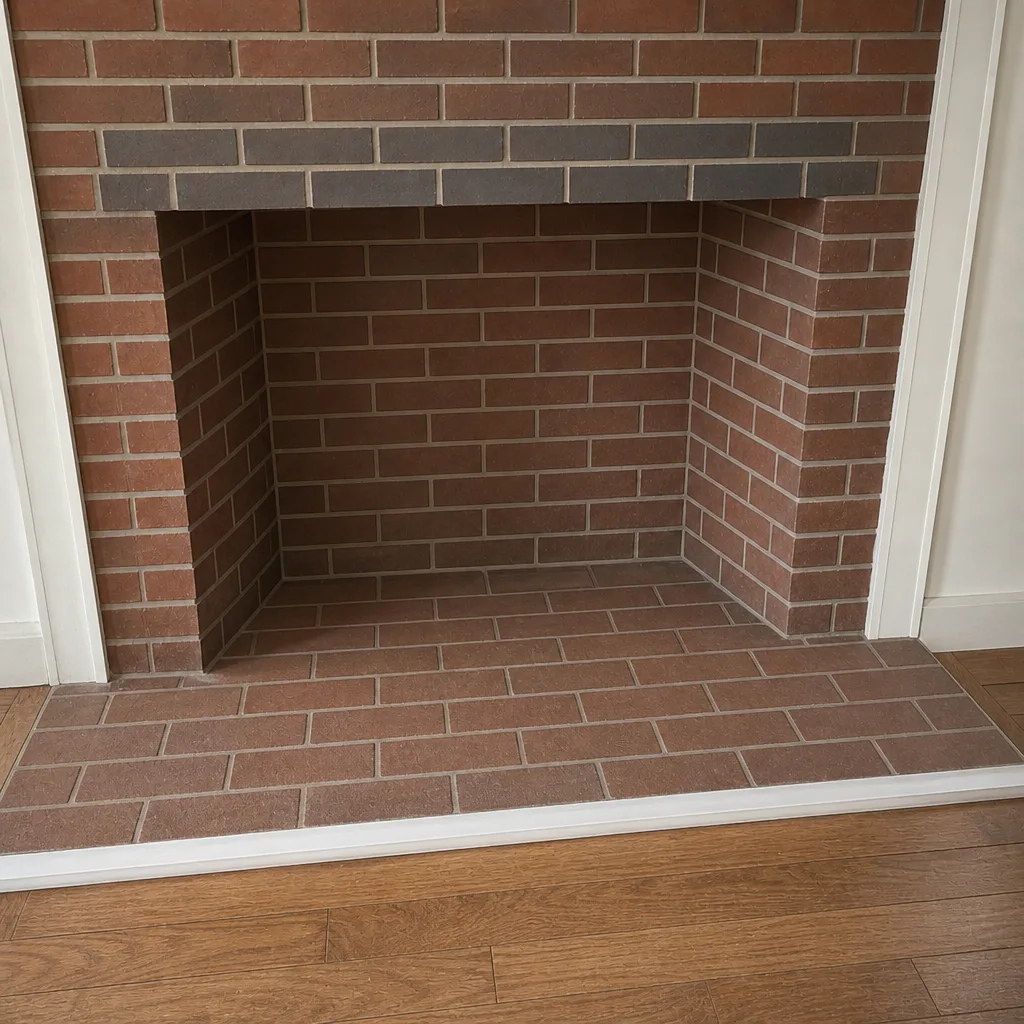
See the difference
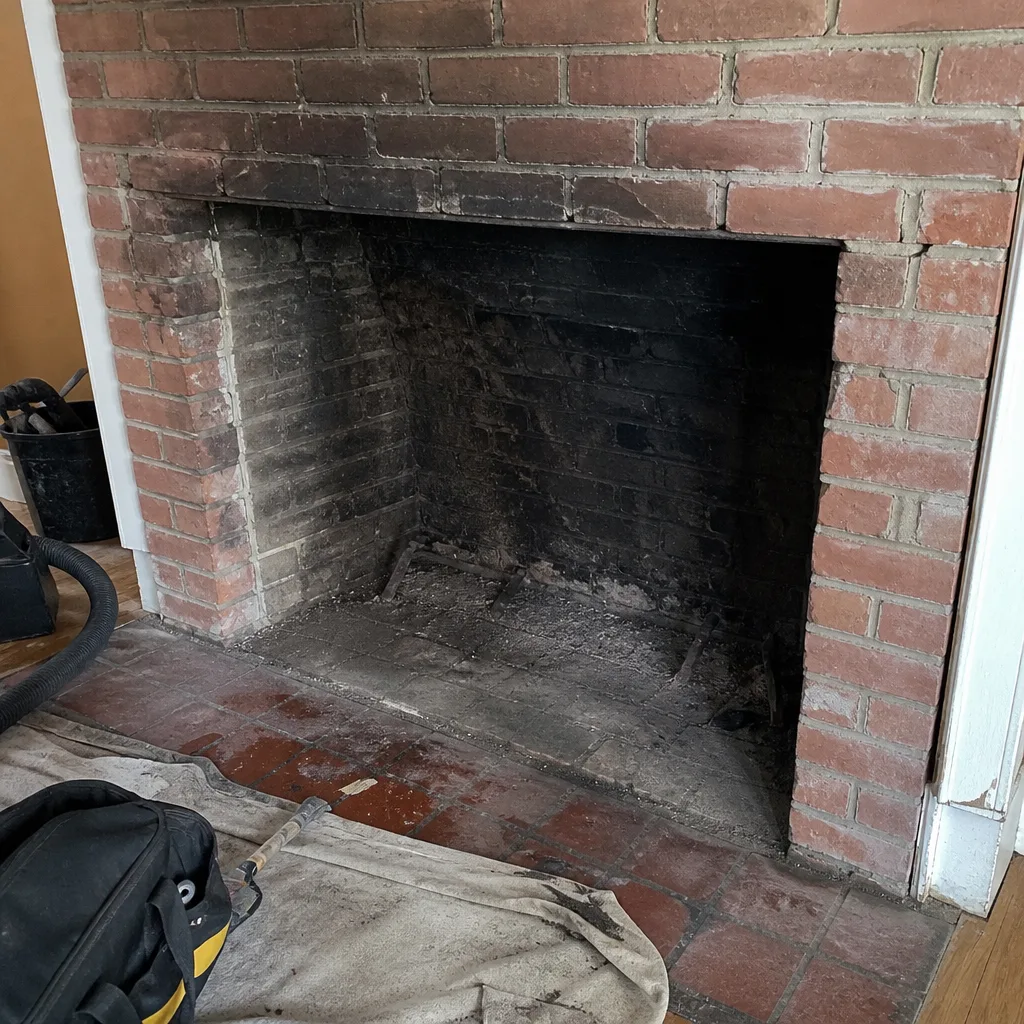 Before
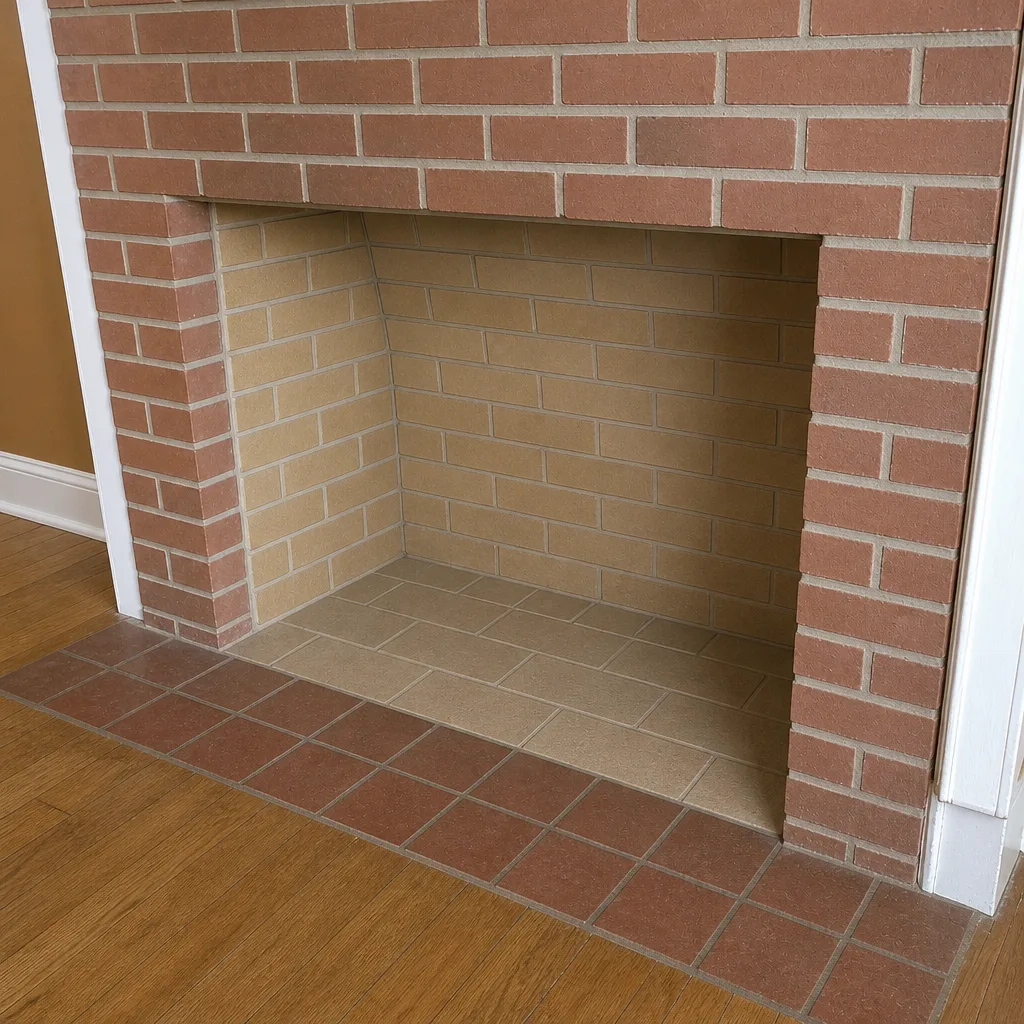 After
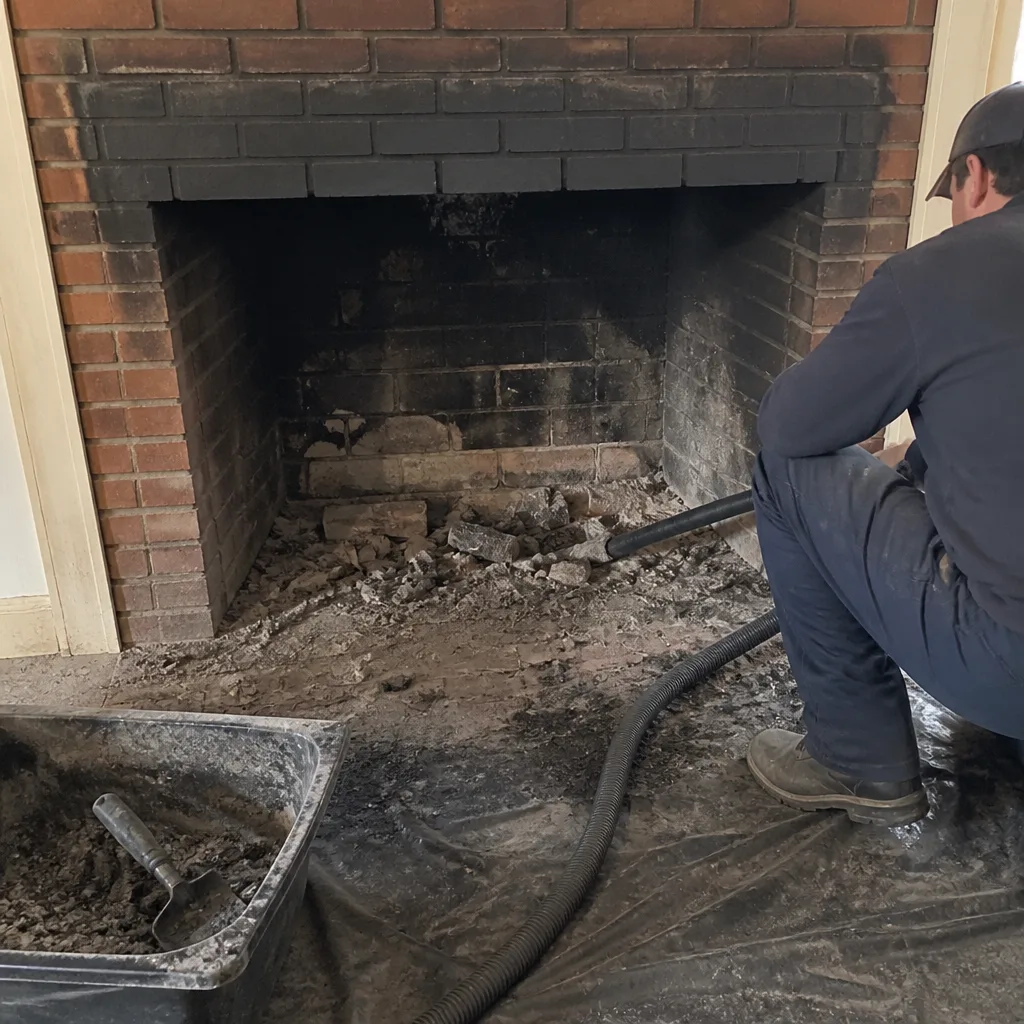 Before
 After
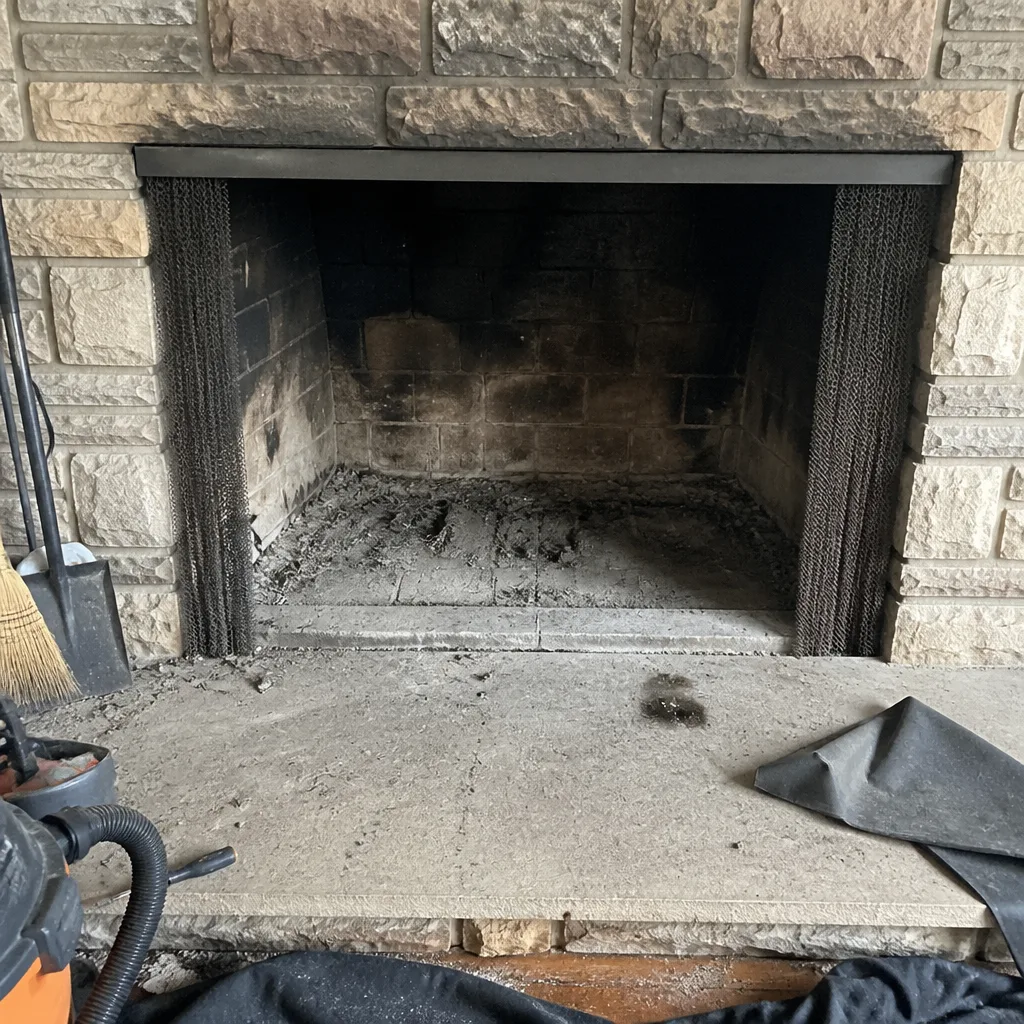 Before
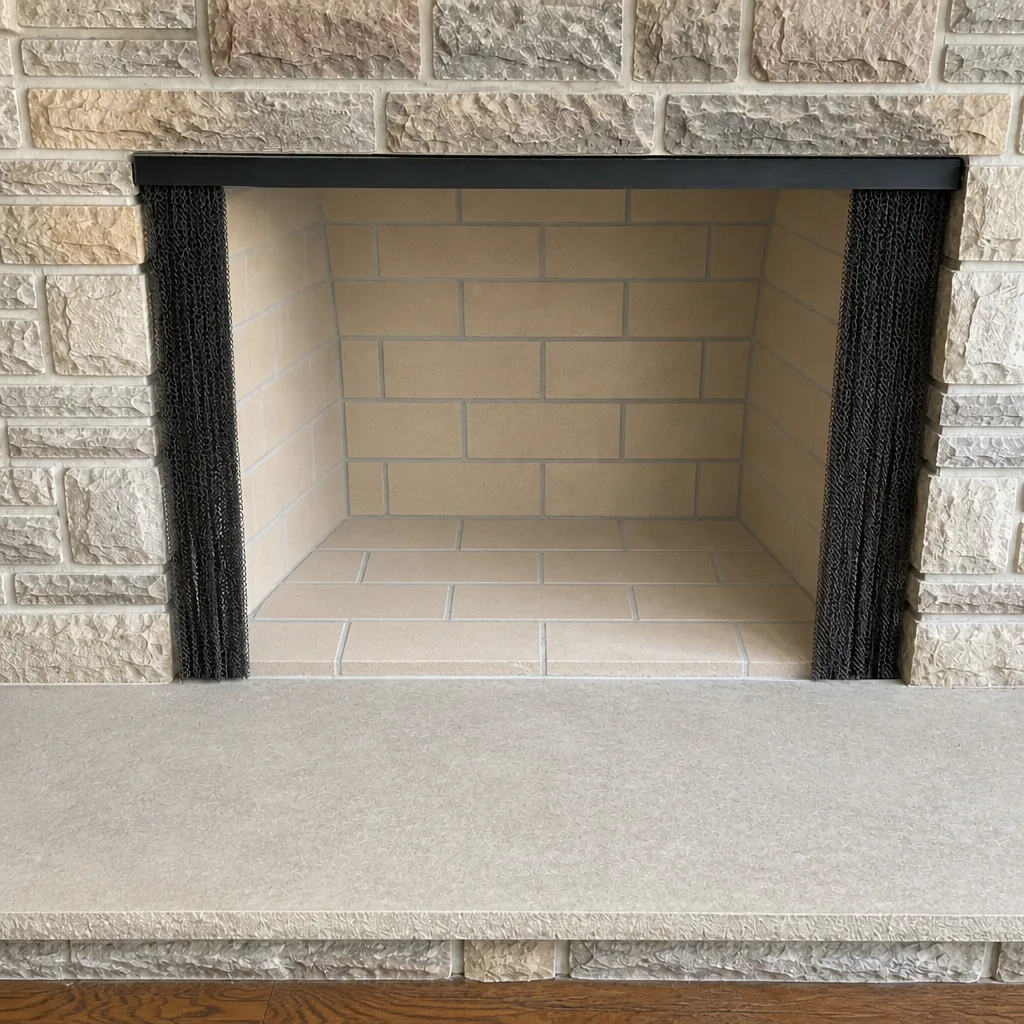 After
Common Mistakes to Avoid
- Waiting until fall to inspect. By October, six months of freeze-thaw damage has already happened. A spring scan catches it while repair is small and affordable. Reversing this is the single most expensive habit we see in Woodside.
- Sweeping before inspecting. A sweep cleans a chimney that may not be safe to use. Get the inspection first, then the sweep, then the first fire.
- Assuming gas burns clean enough to skip annual service. Gas still produces moisture and still has a venting system that can be blocked. A gas fireplace that’s never been inspected is a carbon monoxide question waiting for an answer.
- Leaving the flue uncapped through summer. An open flue becomes a moisture trap and an animal nest site. A properly fitted cap with mesh is a small fix that prevents a large one.
- Treating a draft change as normal. If your fireplace behaved one way in November and differently in January, something changed inside the flue. Don’t wait until spring to find out what.
- Lighting a fire to “clear out” a suspicious flue. If you think an animal is inside or the flue is blocked, get it inspected. A fire in a blocked flue is a carbon monoxide event.
- Hiring a general handyman for liner work. Liner and flue resurfacing work needs professional-grade materials. We install DuraFlex liner systems, HeatShield flue resurfacing, and Copperfield components sourced through Olympia Chimney, a trade-only distributor, rather than hardware-store substitutes.
When to Call a Professional
Some chimney care is seasonal routine. Some of it is not a do-it-yourself job. Call us when you see smoke rolling back into the room, when you smell a strong creosote odor that wasn’t there last season, when water is getting into the firebox, or when a mid-winter draft change has you unsure whether it’s safe to burn. Call us in spring if you haven’t had a camera inspection since before the last winter. Call us in summer if the cap is loose or missing. And call us in fall if you want the inspection-sweep sequence done properly before the first fire. Liner and flue work is genuinely dangerous to attempt without training: a damaged liner lets heat and carbon monoxide reach the structure, and the flue is the last place to guess. Our technicians have up to 9 years of experience, and we inspect the full system, not just the flue opening. Chimney Sweep Woodside offers free estimates in Woodside. Call (855) 550-7639. We answer 24/7. Fast dispatch from 7am to 7pm, Sunday through Friday.
Frequently Asked Questions
Most wood-burning chimneys should be swept once a year, and more often if you burn heavily or burn wood that isn’t well seasoned. The sweep is only half the appointment: the inspection is what tells you whether the flue is structurally safe. Call (855) 550-7639 for an exact quote on a sweep plus inspection; estimates are free.
Book the inspection in spring and the sweep in fall. Spring is when freeze-thaw damage from winter becomes visible, so a spring camera scan catches liner and crown problems early. Fall is when the sweep clears the creosote before the first fire. Doing both means two appointments a year, and the sequence protects the money you spend.
Not always. A failing clay flue tile doesn’t automatically mean full liner replacement. HeatShield flue resurfacing restores a deteriorating liner in many cases without a full replacement, and it’s a real cost-saving option. Nothing is recommended without camera evidence you can see for yourself, and we’ll tell you plainly when a repair can safely wait.
Small crown cracks and loose flue tile joints keep getting worse, water keeps getting in, and creosote keeps building up. The longer it goes, the more likely a small repair becomes a larger one. The safety concern is real too: a damaged flue or a blocked vent is a carbon monoxide risk. Call (855) 550-7639 to schedule an inspection; estimates are free.
Yes. Gas burns cleaner than wood, but it still produces moisture, and the venting system can still be blocked by debris or animal nests. A gas fireplace that’s never been inspected has an open question about its venting, and that’s a safety question, not a convenience one. Call (855) 550-7639 for a gas fireplace inspection.
Yes. A tight-fitting cap with the correct mesh keeps rain out and keeps birds, squirrels, and raccoons from nesting in the flue. Without one, an unused summer flue becomes a moisture trap and an animal entry point. We fit and install Famco and Gelco caps and venting components, which often lets us complete the fix in a single visit.
The Bottom Line
Woodside chimneys don’t follow the generic “sweep in fall” advice well. The seasons that matter most are spring, when winter damage becomes visible and repairable, and summer, when an unused flue needs to stay dry and sealed. Fall is for the inspection-then-sweep sequence, in that order, and winter is for watching draft behavior and acting on changes. Gas owners have different tasks but the same annual rhythm. Follow the calendar above and you’ll catch problems while they’re small, keep the flue safe through the burning season, and avoid the fall surprise of a chimney that isn’t ready. The written estimate sets the final price, and nothing is recommended without camera evidence you can see for yourself.
Ready to get on a year-round schedule? Call (855) 550-7639 for a free estimate. We answer 24/7. Fast dispatch from 7am to 7pm, Sunday through Friday, closed Saturday.
Written by the team at Chimney Sweep Woodside.