
Last updated November 25, 2026
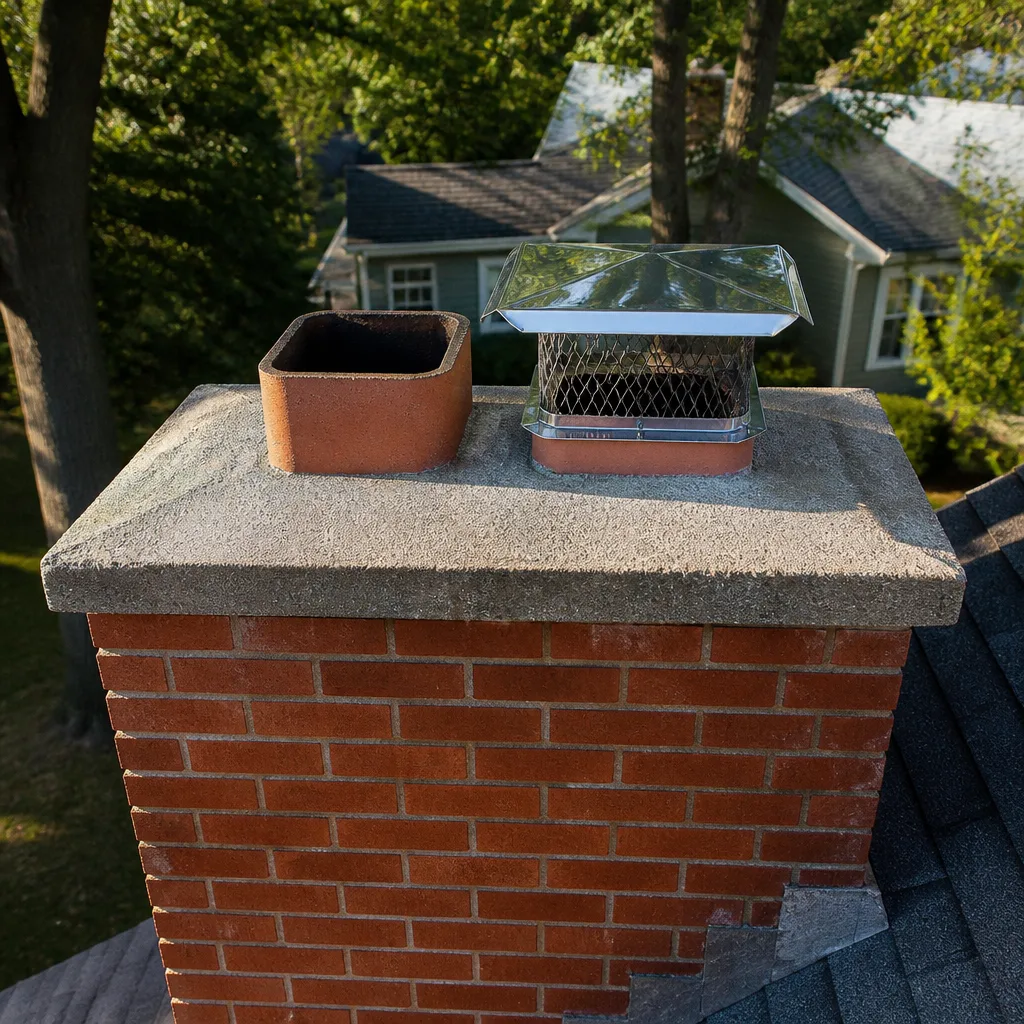 Sweep & inspection
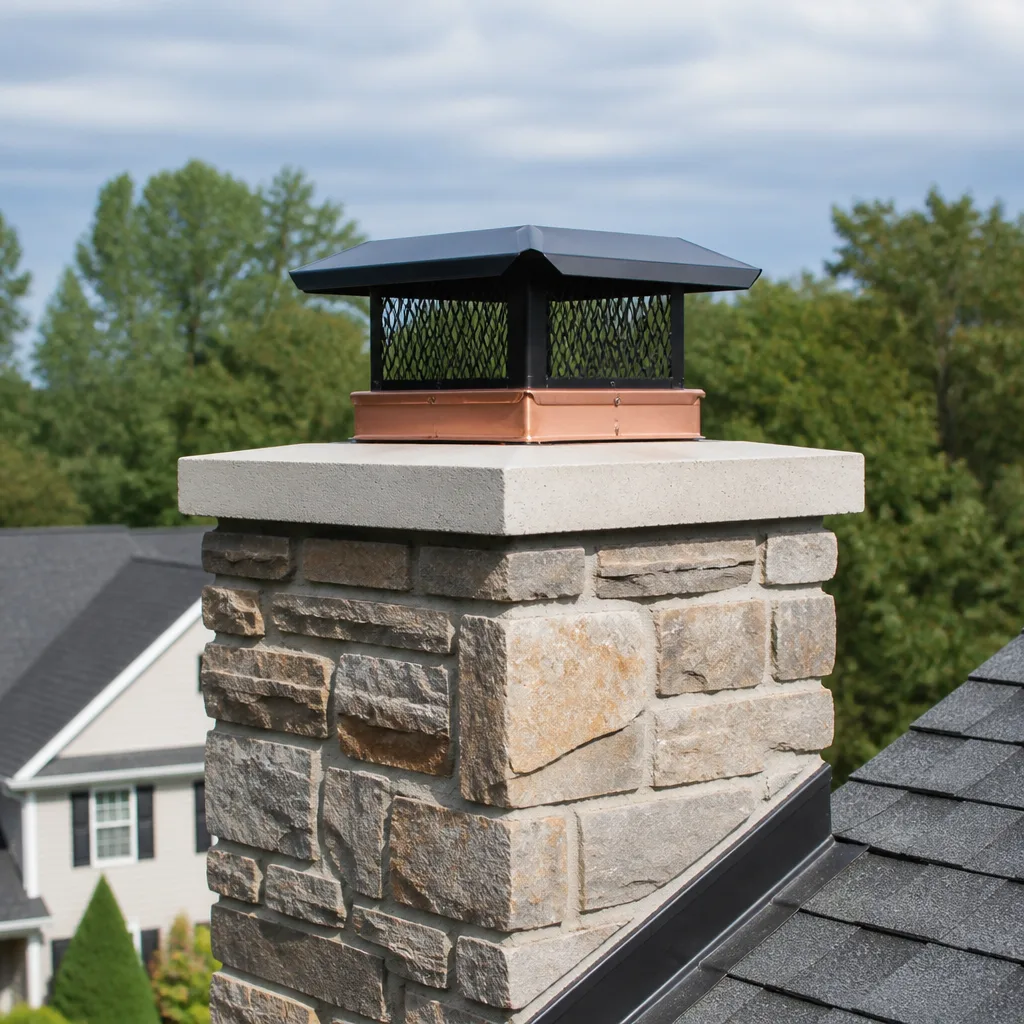 Caps & crowns
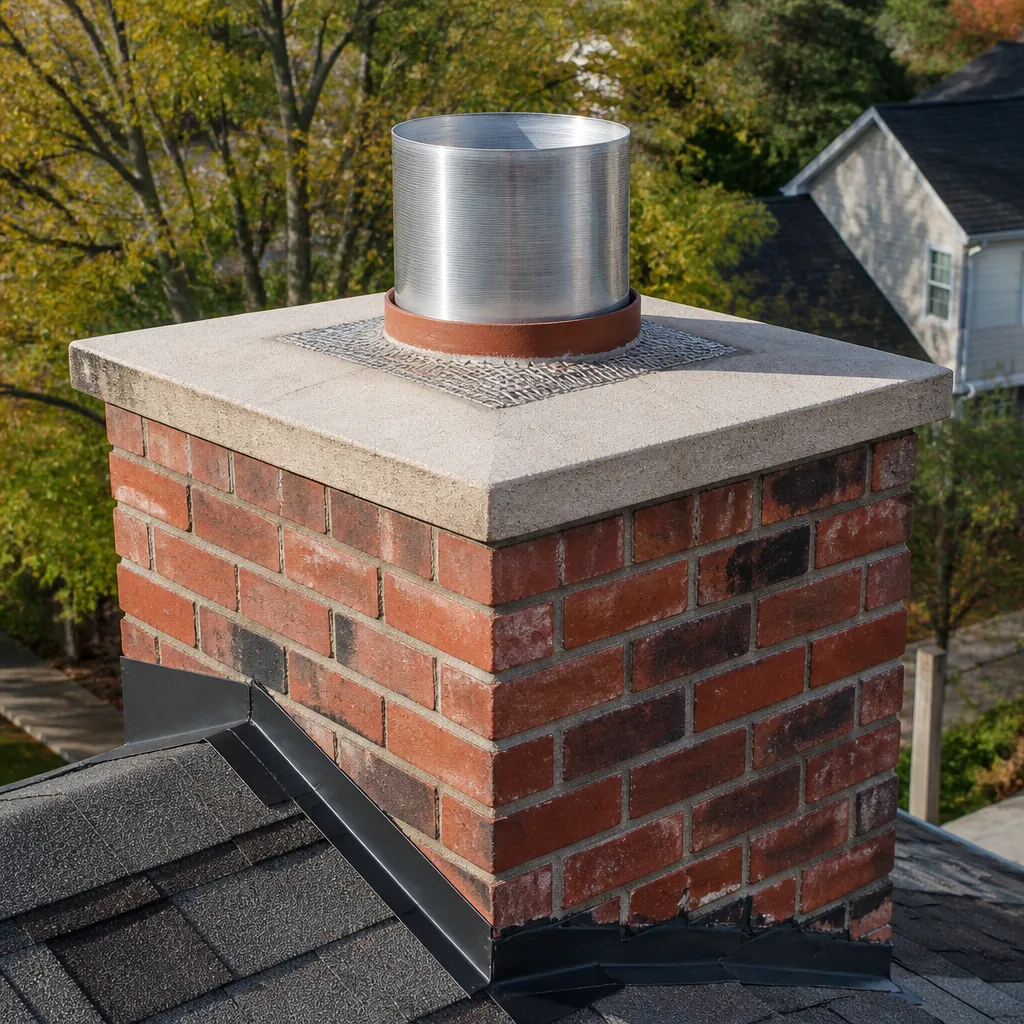 Flue relining
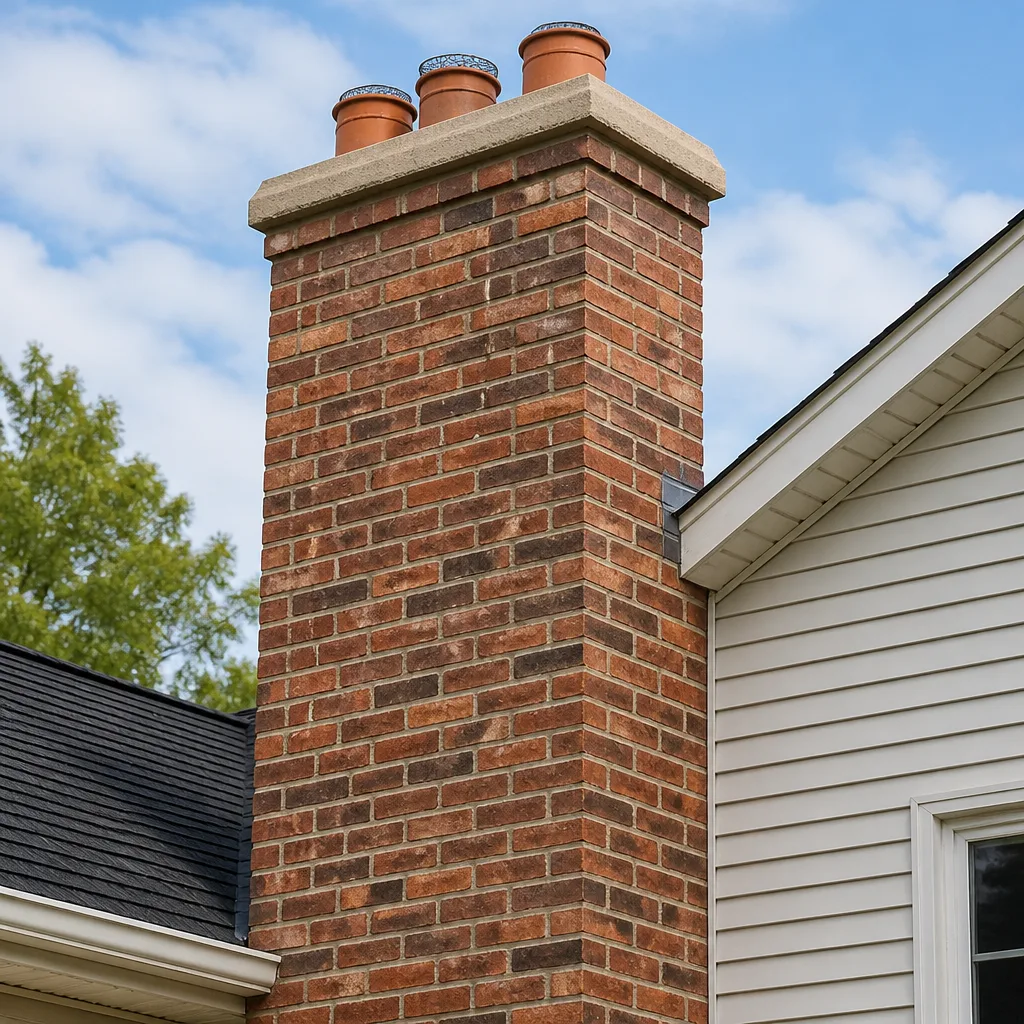 Masonry repair
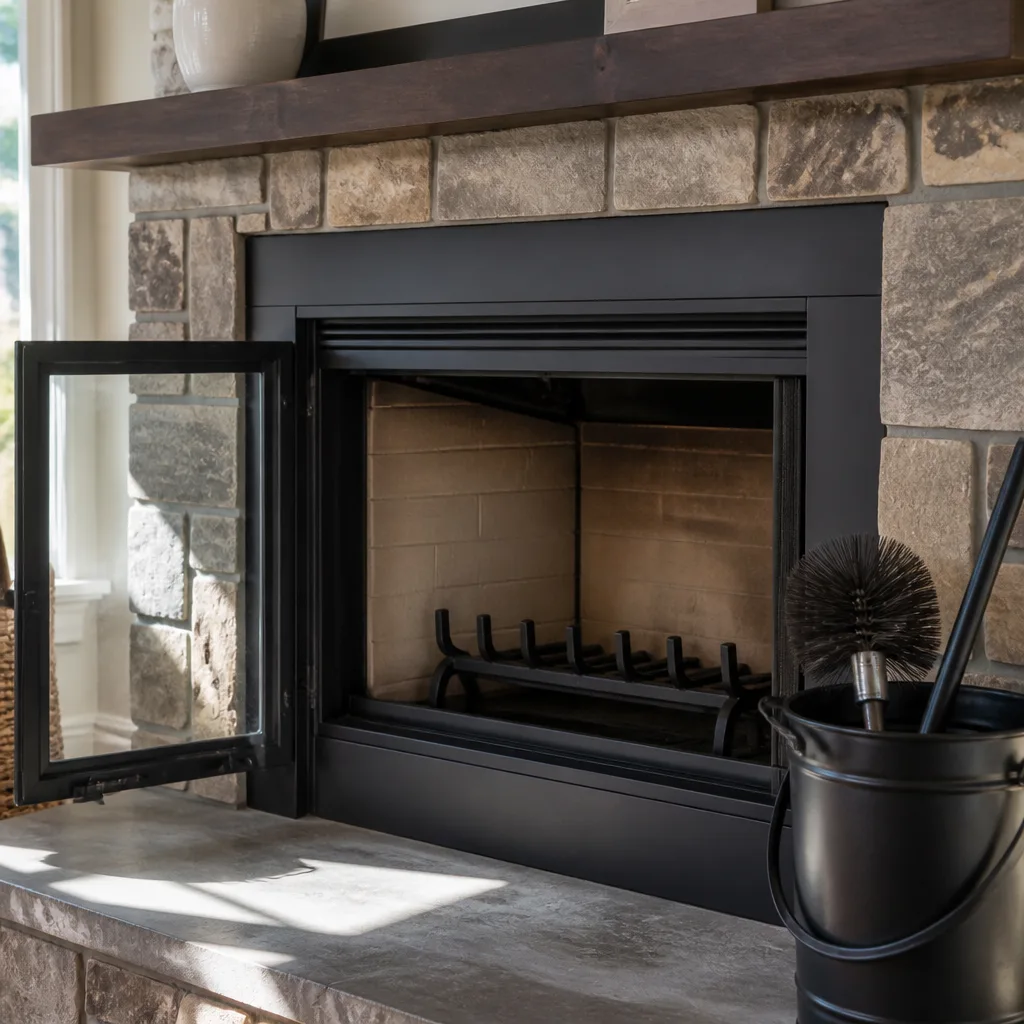 Gas fireplace service
Level 1 sweep and inspection to the NFPA 211 annual standard - flue, crown, cap, and flashing checked and photographed
Chimney sweep logs do not sweep chimneys. They loosen some creosote - which then falls where a brush and vacuum still have to collect it.
Chimney Cleaning Cost Breakdown: The Woodside Homeowner’s Reference for 2026
Chimney cleaning prices in Woodside swing wider than almost any other home service. The same flue that one operator brushes for under a hundred dollars can run several hundred from another, and both will tell you the chimney is “clean” when they leave. The difference isn’t greed or generosity. It’s scope. What separates a genuine sweep from a cheap one is what happens before the brush ever goes in and what you walk away knowing afterward. This guide breaks down what each price tier actually buys you in Woodside, from a bare-bones brush-and-go to a full documented inspection, so you can compare quotes on equal footing and stop guessing which number is fair.
Quick Answer
A standard chimney sweep in Woodside typically runs $150 to $300, depending on flue accessibility and whether a written condition report is included. Add a Level 2 camera inspection and you’re generally looking at $250 to $450 total. Prices climb to $400 and up when repairs, caps, crowns, or liner work enter the picture. The written estimate you receive before booking sets the final figure, so treat any range here as a planning number, not a quote.
Styles & brands we work with
- Sweep & inspection
- Caps & crowns
- Flue relining
- Masonry repair
- Gas fireplace service
Table of Contents
- What a true baseline sweep actually includes
- Why the same chimney gets three different prices
- Cost ranges for inspections, waterproofing, and cap replacement
- How Woodside’s attached row houses affect the cost
- Professional-grade liner materials vs. discount alternatives
- How to structure a multi-service quote you can compare
- When a price genuinely adds up, and when it’s padding
- Common mistakes to avoid
- When to call a professional
- Frequently asked questions
What a True Baseline Sweep Actually Includes
Before we talk price comparisons, it helps to agree on what a real sweep is. In our experience, a legitimate baseline sweep means five things happen, in order, on every visit. Cut-rate operators quietly remove one or two of them to hit a lower number, and the homeowner rarely notices because nothing appears wrong.
Here’s what a full baseline visit covers:
- Drop cloths and work-zone setup. Furniture moved or covered, floor protected, vacuum hooked up before any brushing starts. This is labor you don’t see but it’s part of every legitimate quote.
- Rotary cleaning of the flue. A powered rotary brush sized to the flue runs the full length, top to bottom. Hand-brushing the top few feet and calling it done leaves creosote stacked in the middle of the flue, which is exactly where chimney fires start.
- Smoke chamber brushing. The smoke chamber is the sloped space above the damper and below the flue. It collects creosote fast because gases slow down there and cool. Many cut-rate sweeps skip it entirely because it’s awkward to reach. That skipped creosote is a genuine hazard, and it won’t come off with a quick flue brush.
- Firebox vacuuming. Ash, soot, and debris pulled out with a HEPA vacuum, not a shop vac that blows fine dust back into the room.
- Written condition report. A one-page summary of what was found: creosote level in the flue, condition of the damper, any visible cracking in the firebox, and whether a camera inspection is warranted. Without this document, you’ve paid for labor but received no knowledge about your system.
When a Woodside homeowner brings us a discount coupon they found online and asks us to “just do what they do,” we usually find two of those five items missing from the fine print. The flue gets brushed. The smoke chamber doesn’t. The report is verbal, if it exists at all. So the price wasn’t lower for the same work; it was lower for less work.
Why the Same Chimney Gets Three Different Prices
You can call three operators in Woodside and get three very different numbers for the same chimney. In our experience, the underlying reasons are almost always the same handful of variables, and none of them are a mystery once you know what to look for. Understanding each one tells you whether a higher quote is legitimate or a lower quote is missing scope.
The variables that actually move the price
- Scope included in the visit. Brush-only flue cleaning versus brush + smoke chamber + firebox vacuum + written report. That’s the biggest driver of a $60 spread between quotes.
- Access difficulty. Rooftop access on a steep pitch, a chimney tucked against a neighboring roofline, or a flue with no cap and crumbled mortar on top all add labor. A ground-level brush pass is cheaper than a full rooftop setup.
- Flue configuration. A straight single-flue chimney sweeps fast. A chimney with an offset, a previous liner install, or two flues serving two fireplaces takes longer.
- Inspection level. A Level 1 visual check is part of any sweep. A Level 2 video inspection is a separate, additional service that adds time but tells you what’s happening inside the flue where the eye can’t reach.
- Time of year. Late summer and early fall pricing reflects demand as Woodside homeowners prepare for burning season. Mid-winter prices are sometimes softer, sometimes steeper, depending on whether you’re in a scheduling crunch.
- Operator overhead. A crew that carries proper drop cloths, HEPA equipment, and professional-tier materials has real overhead. An operator with a brush and a ladder does not. Neither is automatically wrong, but you should know which one you’re hiring.
When we walk into a Woodside home, the first thing we do is figure out which of those variables apply so the written estimate reflects the actual work, not a flat rate tied to an average chimney. That’s the difference between a quote that holds and a quote that later grows line items.
Cost Ranges for Inspections, Waterproofing, and Cap Replacement
The baseline sweep price is only part of the picture. Most of the real decision-making happens once inspection or repair enters the conversation. Here’s how those add-ons break down, and what triggers each one legitimately.
Typical add-on price ranges
- Level 2 camera inspection: typically $150 to $250 on top of a standard sweep. Legitimately triggered by a recent change in the system (a new liner, a new appliance, a chimney fire, or a sale/purchase inspection), by visible signs of damage seen during the Level 1, or by a flue that brushes clean but performs poorly. Never triggered simply because an operator wants to upsell.
- Waterproofing: typically $250 to $500 depending on chimney size and amount of exposed masonry. Triggered by visible water staining, spalling brick, or a chimney on a wall that has shown signs of moisture entry. Only worth doing if the masonry is sound underneath; sealing over failing brick traps moisture and makes it worse.
- Cap replacement or new cap installation: typically $150 to $400 depending on cap style, chimney size, and whether the existing cap needs removal. Triggered by a missing or rusted cap, animal entry, or a cap that no longer fits the flue. A proper stainless cap is the single cheapest way to extend the life of a masonry chimney.
- Crown repair or replacement: typically $400 to $1,200 depending on the crown’s condition and whether it’s a patch or full rebuild. Triggered by visible cracks that let water into the chimney structure. Crown work is often skipped and later becomes a much more expensive rebuild.
- Flue liner restoration (HeatShield): typically $1,200 to $3,000 depending on flue height and condition. This is a specialized option that restores a deteriorating liner using a sealant system rather than pulling the whole liner out, and it isn’t something most generalists can offer. It’s legitimately triggered by visible liner joints, spalling, or gaps shown on camera.
- Full liner replacement (DuraFlex or similar professional-grade): typically $2,500 and up depending on liner length, material, and whether the flue needs prep work. Triggered when HeatShield isn’t appropriate, such as when the liner has failed over a long section or the flue is unbonded.
The key distinction: legitimate add-ons follow from something visible, usually on camera, that you can see yourself. If an operator recommends a $2,000 liner replacement after a sweep with no camera footage, that’s a conversation to have before you write a check. If they show you a joint or a crack and explain what it means for a fire’s safe operation, that’s a different matter entirely. A Level 2 inspection from our team includes a photo report you keep, and we tell you plainly when work can safely wait.
If you’re unsure whether your current setup warrants deeper inspection, our chimney sweep service includes a baseline assessment that will flag exactly those triggers.
How Woodside’s Attached Row Houses Affect the Cost
Woodside has a lot of attached row house and semi-detached stock, and that housing style quietly changes what happens to the price of a sweep. It’s not a marketing gimmick, and it isn’t always a real cost driver either. Here’s how to tell the difference.
The biggest factor is single-flue access on shared chimney stacks. In a row house, the chimney stack is often shared between neighbors, but each home typically has its own flue and its own flue top. That’s usually fine. The complication comes when a previous repair, liner install, or cap replacement was done without proper separation, or when the cap assembly is set up in a way that makes it hard to pull a brush cleanly past the neighbor’s opening. When that happens, the sweep takes longer and the drip cloth setup is more involved, both of which are legitimate labor.
The second factor is roof access complexity. Row house roofs are often steep, sometimes joined to a neighbor’s with shared flashing, and frequently accessed from the rear of the property. On some Woodside homes, safe access means setting a ladder on an adjacent pitched surface or working around dormers on the way to the chimney. That’s genuinely extra time and safety setup, and a properly priced estimate accounts for it. What’s not legitimate: charging a “roof access premium” when the chimney is a simple straight run off a flat section of roof. Ask what specifically is being accessed and how, and ask for that to be reflected in the written estimate before booking.
The third factor is older chimney tops. Woodside has a lot of pre-war homes where the chimney crown and mortar top have been weathering since well before the current homeowner bought the property. In our experience, loosened crown material and cracked mortar are common findings on these rooftops, and a sweep isn’t a good visit to schedule cap work unless the operator carries the right materials to do the cap work in the same visit. We stock Famco and Gelco cap and crown components from trade suppliers specifically so a small cap repair doesn’t become a second booking.
The rule of thumb: if the extra charge traces to a specific, verifiable roof or chimney condition you can see from the ground or in a photo, it’s real. If it’s a flat add-on with no description, ask for the detail.
Professional-Grade Liner Materials vs. Discount Alternatives
When repair work enters the picture, the material difference is where pricing stretches the widest, and it’s the hardest part to see from a quote. Understanding it is the difference between a repair that lasts and a repeat problem in three years.
Professional-grade liner systems such as DuraFlex are built with heavier stainless steel and tighter joint tolerances than the material typically sold under a hardware-store relining kit. They come with a manufacturer warranty, and they’re designed to be installed with the correct insulation and the correct top plate for the flue and appliance combination. Liner systems installed by generalist handymen using discount material often look identical from the outside but fail at the joints, especially at the top plate and the appliance connection, which are exactly the spots where heat and condensate do the most work.
What’s less obvious is the surrounding material and expertise:
- HeatShield flue restoration uses a specialized sealant system designed to restore a deteriorating flue liner without full liner replacement. This is a cost-saving option between a patch-up and a full tear-out, and it isn’t something most generalists carry.
- Olympia Chimney is a trade-only supplier used by professional operations, not something a generalist picks up at a big-box store.
- Famco and Gelco components cover caps, crowns, and venting, so cap and crown repairs can be completed in the same visit rather than requiring a return appointment.
- Copperfield and DuraFlex components round out the professional-tier materials we stock and install for fireplace repair and liner work.
What this means for the quote you’re comparing: a $1,800 liner replacement using unlisted material versus a $2,600 liner replacement with a named professional-grade system and a manufacturer warranty are probably not offering the same product. Ask every contractor what specific liner system and material they’re installing, what warranty comes with it, and whether they’re working with trade-only suppliers. The answer tells you what you’re actually paying for.
For the full range of repair work, our fireplace repair service covers the firebox and damper side of the system alongside liner and structural work.
How to Structure a Multi-Service Quote You Can Compare
The single biggest source of surprise cost in chimney work isn’t the base sweep; it’s the second visit. A homeowner gets a sweep quote, the sweep reveals a cap problem, the cap gets quoted separately, the crown repair needs a third visit, and the total climbs well past what was planned. You can avoid this entirely by asking for the quote to be structured with all three tiers visible up front.
Here’s how to ask for a quote you can actually compare:
- Request line-item pricing, not a package total. Break out the sweep, the camera inspection (if recommended), the cap or crown work, and any liner or repair work as separate lines. A single total hides what gets dropped to hit a lower number.
- Ask what’s included in the baseline sweep explicitly. Confirm smoke chamber brushing, firebox vacuuming, and a written report are part of the price. If not, ask what the missing items cost to add.
- Ask what triggers each add-on. “What would make you recommend the camera inspection?” and “What would you need to see on the roof to recommend a cap replacement?” are fair questions. A professional will tell you the exact condition, not just “it needs it.”
- Ask about the material brands. For any liner or repair work, get the specific product name. DuraFlex, HeatShield, Famco, Gelco, Olympia, and Copperfield are the professional-tier lines we install; whatever your contractor names, you should be able to look it up and see its warranty terms.
- Ask whether the work can be done in one visit or requires a return trip. Same-visit cap and crown work is common when the operator stocks the right components. If a quote builds in a return visit for something small, ask why.
- Get the estimate in writing before booking. The written estimate is what sets the price, and it’s the number that matters. A verbal figure on a phone call isn’t a quote; it’s a starting point for negotiation later.
When you ask for a quote from us, we structure it exactly this way. You see the sweep line, the inspection line if it’s warranted, the cap or crown line if it’s warranted, and any liner or repair line itemized. Nothing gets added after the visit without a new written approval.
When a Price Genuinely Adds Up, and When It’s Padding
Not every higher quote is overpriced, and not every low quote is under-scoped. The honest answer is that both situations exist, and a homeowner can learn to tell the difference by asking a few specific questions. Here’s how we think about it.
A price genuinely adds up when:
- The quote names the specific work included (rotary flue cleaning, smoke chamber, firebox vacuum, written report).
- Any recommended add-on traces to a visible condition: a cracked crown seen on the roof, a liner joint in camera footage, a cap missing entirely, spalling masonry at ground level.
- The materials named are professional-tier and identifiable: DuraFlex, HeatShield, Famco, Gelco, Olympia, Copperfield.
- The contractor tells you which items can safely wait and which shouldn’t. A good chimney operator doesn’t push every possible repair as urgent. Some cracks are cosmetic and can wait a season. Some liner gaps shouldn’t burn another fire.
- The written estimate matches the verbal conversation, and the final invoice matches the written estimate.
A price is padding when:
- Extra charges appear on the invoice that weren’t in the written estimate.
- A liner replacement is recommended after a sweep without camera footage.
- Waterproofing is quoted as “routine” without visible moisture damage.
- A “roof access fee” or “difficult access charge” appears with no description of what’s difficult.
- The scope of the baseline sweep is vague, and the add-on list is long.
- You’re told work is urgent but no photo, report, or camera footage backs it up.
This is why our estimates always come with a photo report when inspection is involved. You shouldn’t have to trust the pitch. You should be able to see the condition for yourself and decide what work is worth doing now and what can wait. If a professional can’t show you the evidence, the recommendation isn’t ready to act on.
Common Mistakes to Avoid
- Booking on price alone without reading what’s included. A coupon for a $79 sweep that omits smoke chamber cleaning and a written report isn’t a discount on the same work; it’s a different job. Confirm the scope explicitly before you book. Around Woodside, that coupon usually arrives from a franchise operator whose fine print drops the smoke chamber entirely.
- Treating a verbal “the chimney’s fine” as an inspection. A Level 1 visual check inside the firebox isn’t the same as a camera inspection of the flue. If nobody looked at the inside of the flue on camera, you don’t actually know its condition.
- Approving liner replacement without camera footage. Any liner work is a serious investment. A professional who can’t show you the condition that justifies the recommendation shouldn’t be trusted to do the work. Ask for the photo report.
- Skipping the cap because it “wasn’t in the quote.” A missing or rusted cap is the single largest cause of water damage and animal entry in a masonry chimney. If it’s missing, it should be on the quote, even if it wasn’t in the original sweep scope.
- Assuming a shared row house chimney is the same as a standard one. Chimneys on Woodside’s attached housing stock sometimes need special access or careful separation from a neighbor’s flue. Ask any contractor to describe how they’ll access the roof and the flue top before booking.
- Getting a second quote only after the first work is done. A comparison quote is most useful before anyone has touched the flue. Ask for the itemized scope up front and compare what’s actually included, not the headline number.
- Overlooking waterproofing until the brick is failing. Sealing the chimney when the masonry is sound is cheap prevention; sealing it after water damage starts is a repair that costs more. If you’ve never had it looked at, a sweep visit is a good time to check.
When to Call a Professional
Some chimney work genuinely needs a trained professional and shouldn’t be attempted by a homeowner with a ladder and a brush. Anything that involves flue condition, liner integrity, masonry cracks, or the smoke chamber falls in that category, both because the work itself is demanding and because the diagnostic part is where the real value lives. High-tension chimney components are genuinely dangerous, and the flue is not a place to guess.
Call a professional when:
- You’ve never had the chimney inspected or swept since moving into your Woodside home.
- You smell smoke in the room when the fireplace is running, or soot appears around the firebox.
- The chimney has visible cracks in the crown, loose mortar, or missing cap.
- You’re preparing for burning season and want confirmation the system is safe before the first fire.
- A gas appliance vents into the chimney and you want CO risk verified.
- Any prior work involved a liner that hasn’t been inspected since installation.
Chimney Sweep Woodside offers free estimates in Woodside. Call (855) 550-7639. We answer 24/7. Fast dispatch from 7am to 7pm, Sunday through Friday. Our technicians have up to 9 years of experience, and we work the full range of the system: sweep, inspection, cap and crown, fireplace repair, and structural repair. A visit that starts as a sweep often ends as a conversation about chimney cap & crown work or liner condition, and we’ll tell you exactly what we find and what it means for your home’s safety before anything is quoted.
Frequently Asked Questions
A chimney cleaning in Woodside typically costs $150 to $300 for a standard sweep with a written condition report. If a Level 2 camera inspection is recommended, plan on $250 to $450 total. Any repair work, cap, crown, or liner is quoted separately and reflects the specific condition found. Call (855) 550-7639 for an exact quote. Estimates are free.
Only if the liner has actually failed, and that failure should be visible on camera before anyone recommends replacement. A heat-damaged or spalling liner with visible gaps is a genuine fire risk; a liner with a cosmetic surface crack may be restorable with HeatShield instead of a full replacement. The right answer for your chimney depends on what’s actually there, which is why we include a photo report with every inspection. Call (855) 550-7639 to book a free estimate.
Once a year during active burning season is a reasonable baseline for a wood-burning fireplace. If you burn often, if the wood is unseasoned, or if you’ve noticed a heavy creosote smell, an inspection in late summer or early autumn gives you time to schedule any work before burning season. Gas-burning systems need periodic inspection too, though the cadence is different. Call (855) 550-7639 with questions about your specific system. Estimates are free.
Creosote builds up in the flue, and heavy creosote is what burns during a chimney fire. The risk isn’t that the chimney fires every season; it’s that the conditions for a fire accumulate quietly over years without anyone looking. A blocked or damaged flue can also push carbon monoxide back into the home, which is a silent problem with a gas appliance. Call (855) 550-7639 to book a sweep and get eyes on the flue. Estimates are free.
Sometimes it is, sometimes it isn’t. Attached row houses in Woodside can involve shared chimney stacks with careful access requirements, steep or dormered roofs, or older mortar tops that need careful handling. When the extra cost traces to a specific roof or stack condition, it’s legitimate labor. When it doesn’t, ask for that detail in the estimate. Call (855) 550-7639 to schedule an assessment. Estimates are free.
Often, yes. We stock Famco and Gelco cap and crown components so a small cap repair, crown patch, or venting fix can be completed during the sweep visit rather than booked as a second appointment. When the repair is larger than a same-visit fix, we’ll tell you what’s involved and quote the work in writing before scheduling the return trip. Call (855) 550-7639 for a free estimate.
The Bottom Line
Chimney cleaning prices in Woodside vary by a factor of three or four because operators are doing genuinely different work under the same label. A low price usually means a lower scope, a missing report, or a skipped smoke chamber; a higher price usually means a professional-tier material, a camera inspection, and a report you can act on. The way to compare is not the headline number. It’s the itemized scope, the materials named, the camera footage, and the written estimate that holds. Ask for those four things from every contractor, and the right choice stops being a guess.
If you’d like a free estimate from a team that works the full range of the system, from sweep through structural repair, call Chimney Sweep Woodside at (855) 550-7639. We answer 24/7, with fast dispatch from 7am to 7pm, Sunday through Friday. We’ll tell you what we find, show you the evidence, and give you a written price you can compare against any quote you’ve received.
Written by the team at Chimney Sweep Woodside.
See the difference
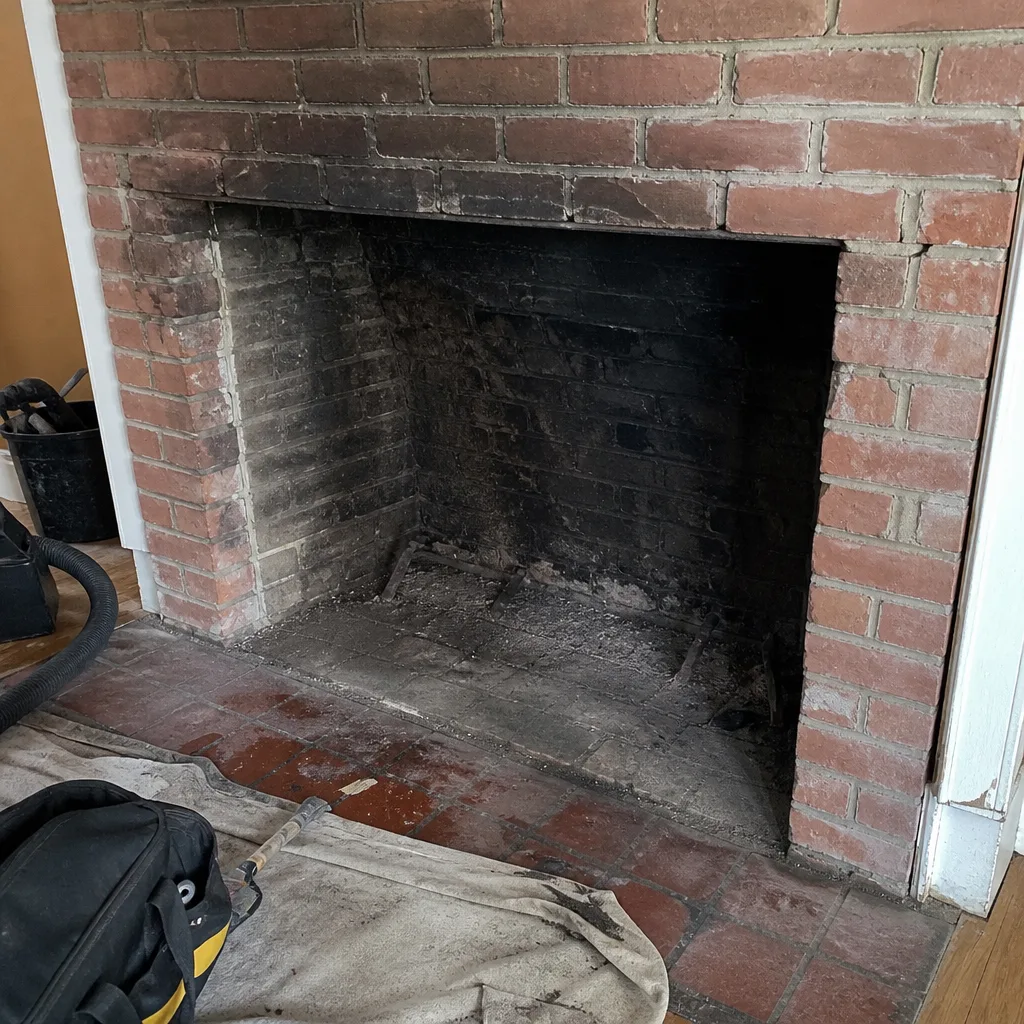 Before
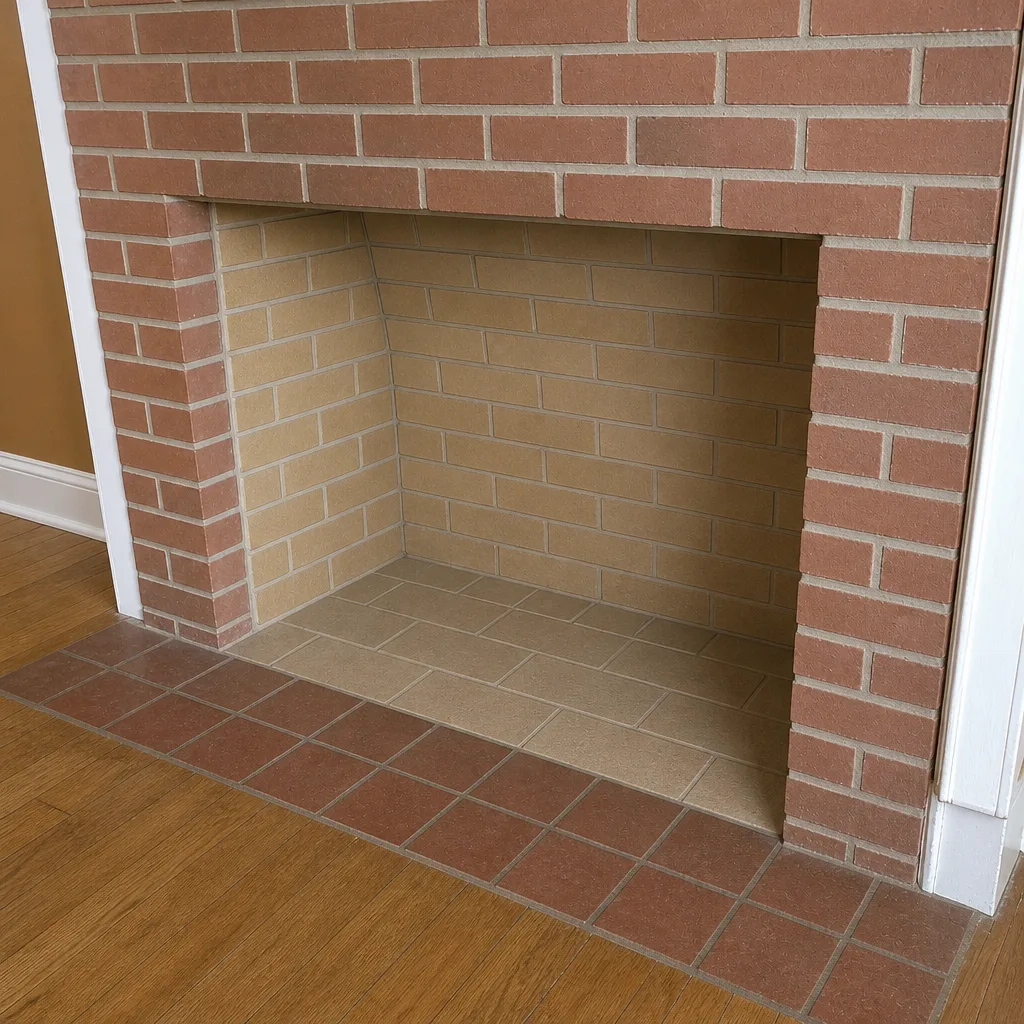 After
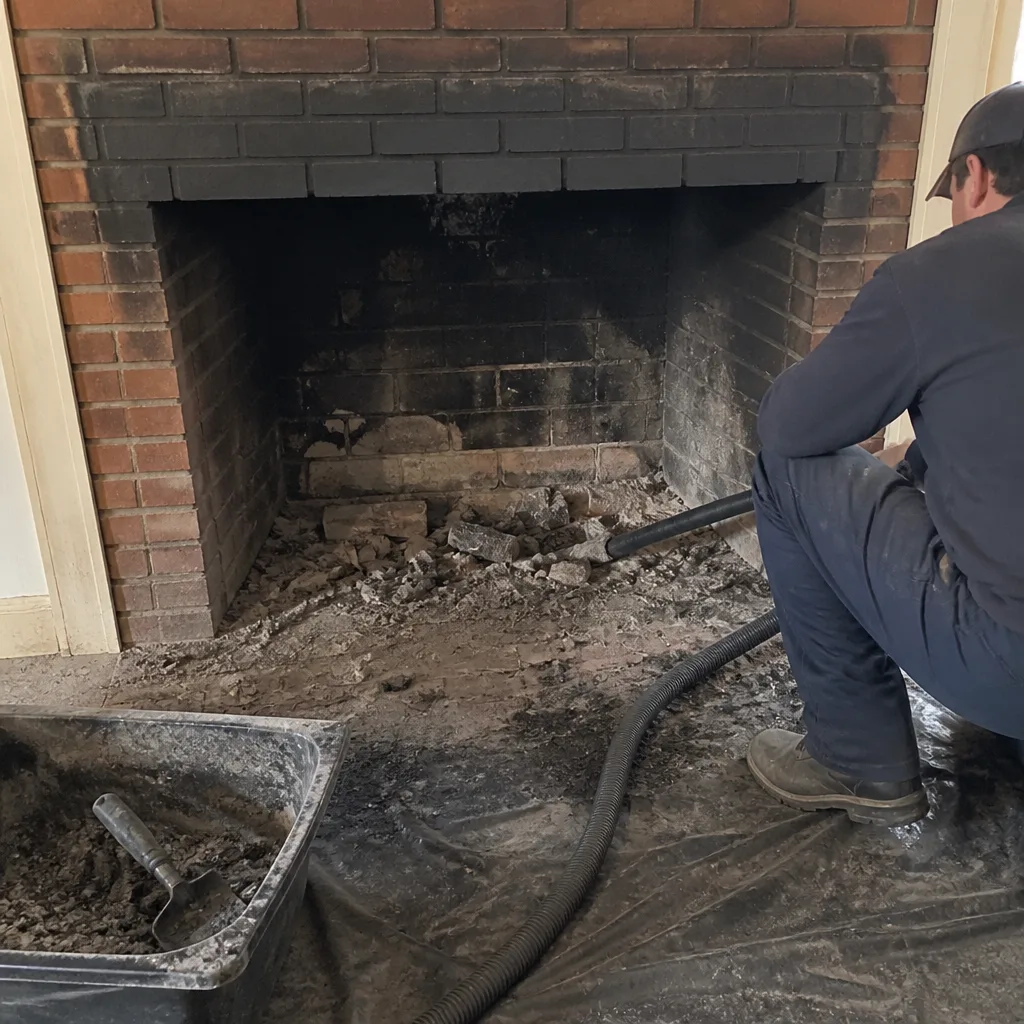 Before
 After
 Before
 After