
Last updated November 25, 2026
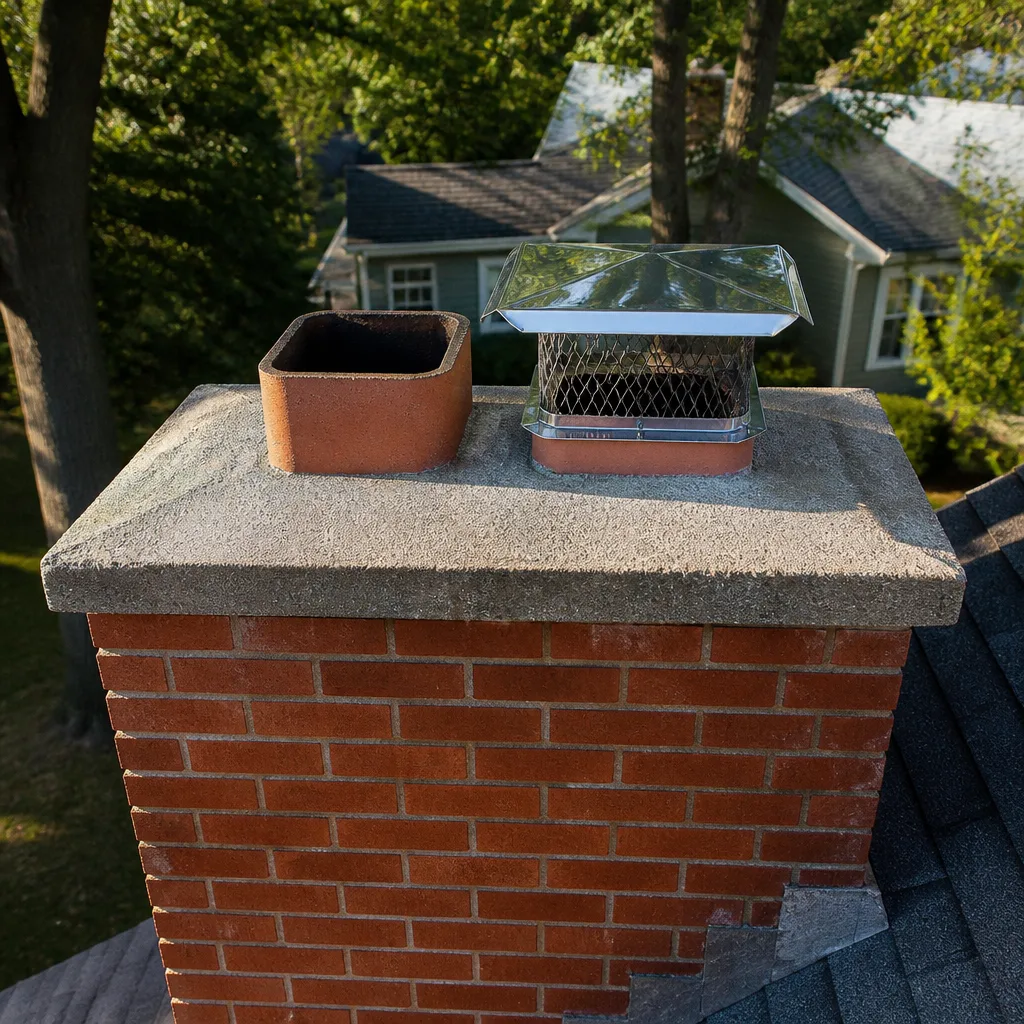 Sweep & inspection
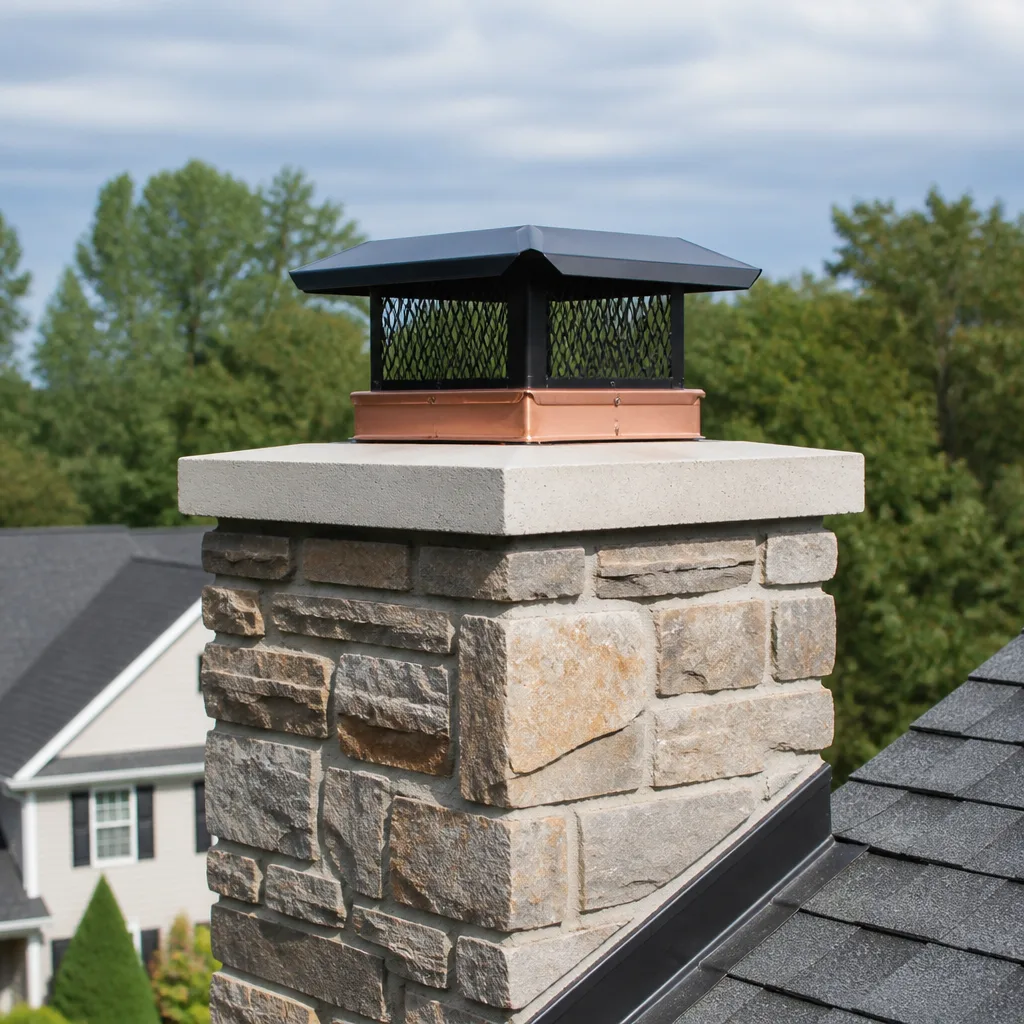 Caps & crowns
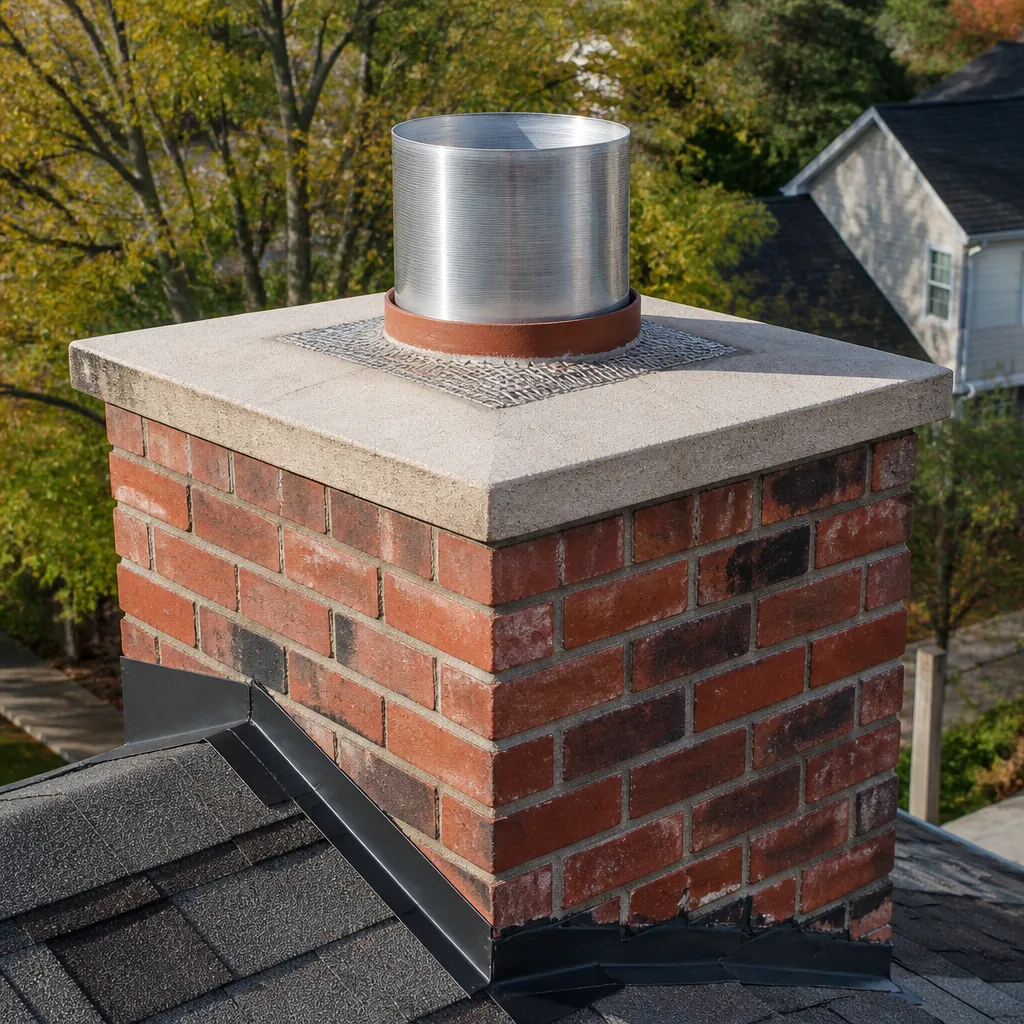 Flue relining
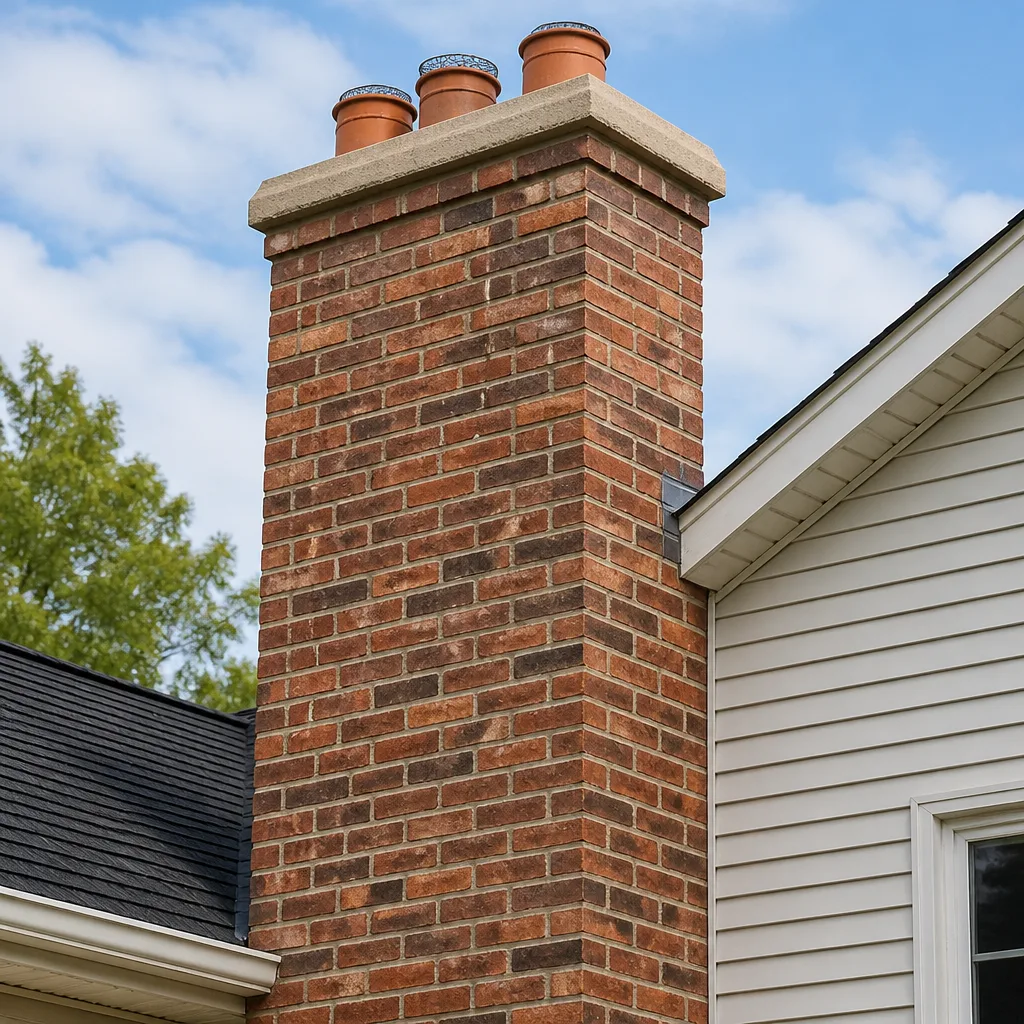 Masonry repair
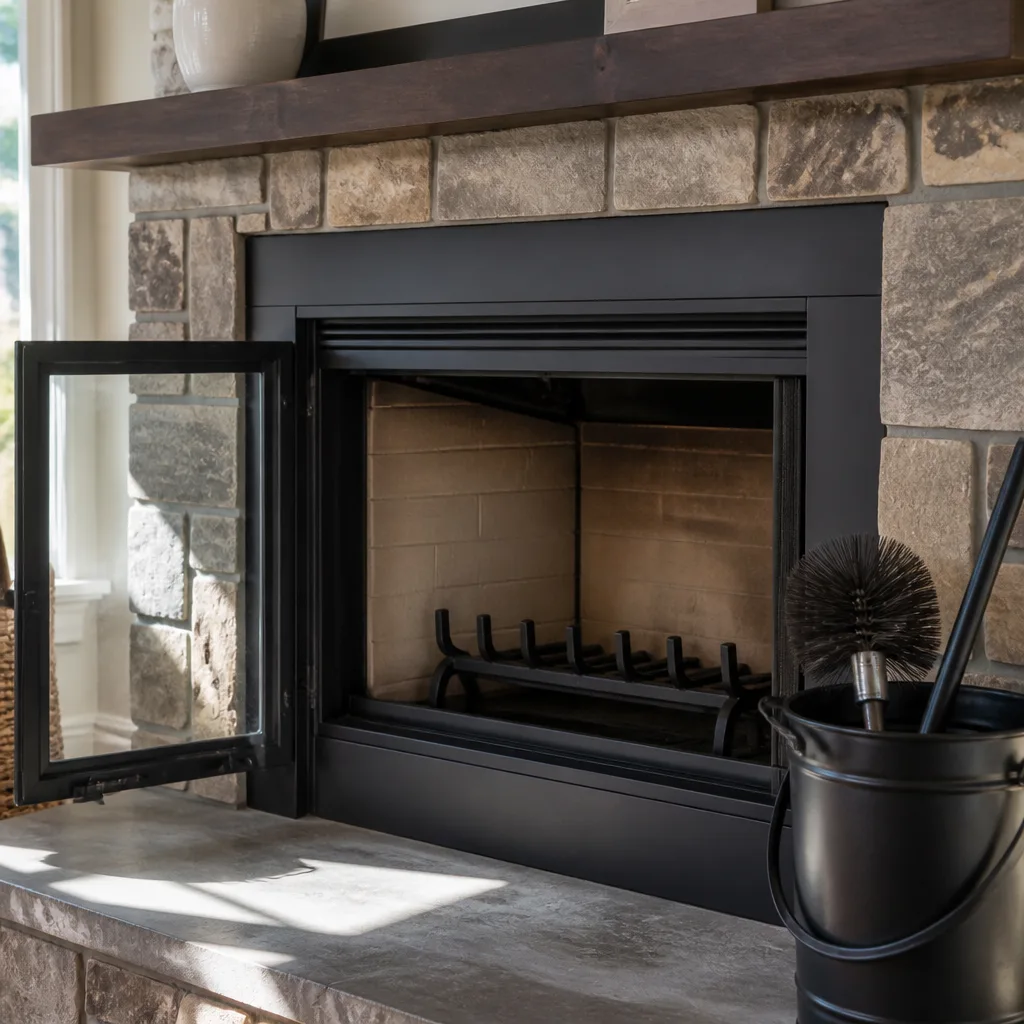 Gas fireplace service
Level 1 sweep and inspection to the NFPA 211 annual standard - flue, crown, cap, and flashing checked and photographed
Chimney sweep logs do not sweep chimneys. They loosen some creosote - which then falls where a brush and vacuum still have to collect it.
The Complete Guide to Chimney Cleaning in Woodside
Most Woodside homes that burn wood or gas have never had their smoke chamber cleaned. Only their flue. That means creosote is staging in the one part of the system a standard brush can’t reach, and nobody has ever looked at it. A chimney is not a single tube. It’s a stack of components with different jobs, different wear patterns, and different failure modes. Cleaning means understanding how Woodside’s row houses, attached homes and variable fuel use create specific buildup patterns that a one-size-fits-all sweep misses entirely. This guide walks through what a full-system clean looks like, from the flue crown down to the firebox floor.
Quick Answer
Chimney cleaning in Woodside means sweeping the flue, then going further: brush-cleaning the smoke chamber, checking the liner and crown, and documenting what the technician actually found. A proper visit includes a full-system inspection, not a brush pass, and it produces a written report you can read. Chimney Sweep Woodside handles the sweep, the inspection and any repair that turns up, so you’re not coordinating multiple contractors.
Styles & brands we work with
- Sweep & inspection
- Caps & crowns
- Flue relining
- Masonry repair
- Gas fireplace service
Table of Contents
- Why the smoke chamber is the most skipped step
- How Woodside’s row houses and attached homes affect draft
- Level 1, Level 2 and Level 3 NFPA 211 inspections
- Rotary cleaning systems vs. basic brush sets
- How to read a post-sweep report
- How often a Woodside chimney needs cleaning
- What a full-system clean from us involves
- The trade brands behind the work
Why the Smoke Chamber Is the Most Skipped Step in a Standard Sweep
The smoke chamber is the tapered space above the firebox and below the flue. It exists to compress smoke and push it up. Standard brushes are round, straight and sized for the flue, which means they pass through the chamber without touching the sloped walls. Creosote glazes those walls, builds up over seasons, and eventually reduces both draft and safety margin.
What happens when a smoke chamber is left coated:
- Draft weakens because the smoke chamber can no longer compress and accelerate smoke the way it’s supposed to.
- Creosote buildup in the chamber is often the first fuel load in a chimney fire, because it sits above the firebox where heat rises.
- Corrosive deposits eat into masonry joints, and once those joints go, the fix is no longer a sweep.
- Carbon monoxide can back up into the living space if the chamber and flue aren’t pulling properly.
Cleaning the smoke chamber isn’t optional. It’s the part of the system where a standard sweep most often leaves work behind. We approach the smoke chamber with the equipment it actually needs: abrasive pads, hand tools and, where appropriate, rotary systems that reach the sloped surfaces. If you’ve ever had a sweep and never heard the term “smoke chamber” during it, that’s the gap.
Because our technicians have up to 9 years of experience working chimney systems across Woodside, they know what a coated chamber looks like on camera before they ever get on the roof. That matters, because the chamber is often the first thing that flags the need for more than a sweep.
How Woodside’s Row Houses and Attached Homes Affect Draft and Creosote
Woodside’s housing stock leans heavily on row houses, semi-attached homes and multi-family buildings, and that construction changes chimney behavior in ways detached homes don’t see. Shared walls, tight lot lines and taller adjacent rooflines create pressure differences around the chimney that affect how smoke moves.
The practical effects we run into in Woodside:
- Shared or near-shared chimneys. A neighboring flue can pull air from yours or push exhaust back down if the two terminate too close together.
- Roofline interference. A taller building at the property line can create a turbulent zone above your chimney cap, and the fix is often a taller or differently capped termination.
- Smaller fireboxes, hotter burns. Many Woodside fireplaces were built into tight footprints, and the smaller the firebox, the shorter the path for heat and creosote to reach the smoke chamber.
- Seasonal use that isn’t steady. Homes that burn on cold weekends only produce different deposits than homes that burn steadily through the winter. Intermittent use tends to leave more unburned material on the flue walls.
None of this means your chimney is unsafe. It means the chimney is part of a building envelope, and a cleaner who doesn’t look at the whole picture will miss the reason a flue is drafting poorly or collecting faster than expected. When we evaluate a Woodside chimney, we look at the cap, the crown, the termination height, the liner and how the whole assembly sits relative to the neighbors. A brush pass without that context can miss the real problem.
Level 1, Level 2 and Level 3 NFPA 211 Inspections: What Actually Applies?
Chimney inspections are not a single thing. NFPA 211, the national standard for chimneys, fireplaces, vents and solid-fuel appliances, defines three inspection levels, and each answers a different question. Knowing which one a job calls for is the difference between a useful report and a wasted visit.
Level 1 Inspection
A Level 1 inspection covers the readily accessible parts of the system during a routine sweep. It looks at what can be seen without tools beyond a flashlight and camera from the firebox or the roofline. It’s the right inspection for a home you’ve owned for a while, with a chimney that’s been serviced regularly and no known changes. It is not a purchase inspection.
Level 2 Inspection
A Level 2 inspection is more thorough. It typically includes video scanning of the flue interior, a closer look at the crown, cap and flashing, and inspection of accessible portions of the attic or crawl space if the chimney passes through them. This is the level that applies after a Woodside home purchase, a change in fuel type, an appliance swap, or any chimney fire, even a small one. It’s also the right level when a flue has never been scoped, which is common in older Woodside homes.
Level 3 Inspection
A Level 3 inspection is required when the previous two levels found a concern that can only be investigated by opening up concealed areas, such as removing a section of wall or masonry. It’s rarely the first inspection anyone wants, and it’s usually the one you want a clear written justification for before you agree to it.
Which one applies after a Woodside purchase?
Level 2, almost always. New ownership is one of the standard triggers, and given the age and variety of Woodside’s housing, an unscoped flue is a real possibility. If you’re buying and the seller’s report says “Level 1,” ask why.
Rotary Cleaning Systems vs. Basic Brush Sets: What Actually Gets Removed
A basic brush set removes loose soot from the flue. A rotary cleaning system uses a spinning head driven by a rod, and it removes what a brush cannot: glazed creosote, chain-scarred residue, and deposits on smoke chamber surfaces. The difference is not marketing. It’s mechanical.
Here’s the practical distinction in list form:
- Basic brush: good for light soot, straight runs and routine maintenance on a clean, modern flue. Cannot remove glazed creosote or clean the smoke chamber walls.
- Rotary system with abrasive head: removes glazed third-degree creosote and surface residue. Reaches sloped smoke chamber surfaces. Requires control to avoid damaging a thin or already-cracked liner, which is why the technician has to know what they’re looking at before they start.
- Video inspection camera: records the flue interior before and after. This is the tool that lets you see what was found, rather than take someone’s word for it.
- Trade-grade hand tools: reach crown cracks, cap connections and firebox joints where a brush can’t.
Homeowner kits and cheap brush-and-rod sets from hardware stores land in the first category only. They loosen soot, they don’t restore the system. Most of what a professional sweep adds over a homeowner kit is the equipment that reaches the parts that matter and the camera that proves what was found.
We stock and use professional-grade rotary and hand equipment because the work we’re doing goes past the flue opening. If a Woodside homeowner has had a basic sweep and is still seeing smoke, weak draft or a dirty firebox, the equipment gap is usually where the answer is.
How to Read a Post-Sweep Report (So You Know What Was Actually Done)
A post-sweep report should tell you what was found and what it means. If all you got was a receipt, that’s a problem. A useful report documents the flue, the smoke chamber, the liner, the crown, the cap, the firebox and any concerns for future monitoring. Read it in this order:
- Scope of work. Did the technician say what was cleaned, not just that the chimney was cleaned? Flue, smoke chamber and firebox should each be mentioned.
- Liner condition. Was the liner assessed? Was it video-scanned or visually checked? Any cracks, gaps, or gaps at joints? These are the findings that matter most for safety.
- Crown and cap. Did the report note cracks in the crown, missing cap sections, or rusted or loose fasteners? Crown and cap work is where most water intrusion starts in Woodside homes.
- Creosote level. A professional report identifies the degree of creosote buildup. If levels are high enough to justify a follow-up treatment or liner consideration, it should say so plainly.
- Photos or video. If a concern was flagged, was it documented with an image? If not, ask for one. If a technician tells you the liner needs work, you should be able to see the same thing they saw before you approve any repair.
- Recommended next steps. Some findings are safe to monitor. Others warrant a repair in the off-season. The report should tell you which is which, so you can plan the work rather than react to it.
If any of the above is missing, ask. A good technician will walk you through it. When we inspect a Woodside chimney, the point is that you understand what was found and what it means for your home’s safety, not just that we handed you a piece of paper.
How Often Should a Woodside Chimney Be Cleaned?
Chimneys are generally cleaned once a year, and more often if the fireplace is used heavily, if the fuel is unseasoned wood, or if a prior inspection flagged heavy buildup. The industry rule of thumb is to have the chimney inspected annually and cleaned as conditions require. For a Woodside home burning steadily through the cold months, annual is the baseline; for a home that burns occasionally, the inspection matters more than the cleaning itself.
Conditions that call for an earlier cleaning:
- You’ve burned more than a cord or so of wood since the last sweep.
- The firebox has visible soot or dark deposits on the fireback.
- Smoke rolls back into the room when you light a fire.
- You smell a strong smoky odor in the house when the fireplace isn’t in use, which usually means the flue is blocked or dirty.
- You’ve had a chimney fire, even a small one, or heard a deep roar and felt a sudden draft.
- You’ve never had the chimney inspected since buying the home.
If a Woodside home has been converted between wood and gas at any point, that’s another cue to have the system looked at. Gas appliances vent differently and the byproducts of gas combustion are not the same as wood smoke.
What a Full-System Clean From Chimney Sweep Woodside Actually Involves
We inspect the full system, not just the flue opening. What that means in practice, from crown to firebox floor:
- Exterior check. We look at the crown, the cap, the flashing and the bricks for cracks, missing mortar, rusted fasteners or loose cap sections. Crown and cap work is where most water intrusion begins.
- Flue sweep. The flue is swept top-down with the appropriate brush or rotary head for its size and condition. The flue doesn’t get a general pass with whatever rod happens to be on the shelf.
- Smoke chamber cleaning. The sloped surfaces above the firebox get brushed and, where needed, cleaned with abrasive hand tools or rotary heads. This is the part of the job most sweeps skip.
- Firebox and damper check. The firebox floor, walls and damper are checked for cracks, gaps and proper operation. A damper that doesn’t close or open fully can be both a safety and efficiency issue.
- Liner assessment. If the flue has never been scoped, we use a camera to see the liner interior. Cracks, gaps at joints, or thinning from past glazed creosote are documented.
- Written report. Findings are written up with photos where concerns were flagged, so you can see what the technician saw.
For Woodside homes we also look at the roof-line and cap position relative to neighboring buildings. If the cap is the wrong type for the chimney’s clearance, or if two flues terminate too close, a correct cap change can solve a draft problem that a sweep alone won’t fix.
We provide Chimney Sweep Woodside as the entry point for this work, and we handle the sweep, the inspection and any repair under one company. If a wood-burning fireplace needs its firebox repaired after a sweep, that’s fireplace repair, and it’s part of what we do. If a gas or wood fireplace has a damaged cap or cracked crown, that’s chimney cap & crown. You don’t have to line up separate visits to get the whole system addressed.
The Trade Brands Behind the Work
The products that go into a chimney matter. A cap is a metal-and-fastener assembly that sits on a roof for years; a liner is a flexible or rigid tube zoned for the flue’s heat exposure; a crown is the concrete or masonry cap that sheds water from the whole assembly. Hardware-store substitutes may look similar and behave very differently.
We install and service professional trade brands because the work outlasts the moment of installation:
- DuraFlex liner systems, for flue relining where the existing liner cannot be justified for continued use.
- HeatShield flue restoration, which is a sealant system for restoring a deteriorating flue liner without a full replacement. It’s a real alternative to a full reline when the liner’s damage falls within what it can address. We use it where it fits the condition of the flue, and we say plainly when it doesn’t.
- Famco and Copperfield components for cap, crown and venting installations, which lets us complete repairs in a single visit where the scope allows.
- Olympia Chimney supply, an industry-trade distributor, for the parts and liners that contractors actually install.
None of that is why you should call. What matters is that if you’re told a liner needs replacing, you can see the scan, understand the finding and know the replacement is being done with components built for the job. If a Woodside homeowner is told a liner needs a full replacement and the only option offered is a hardware-store liner kit, they’re not being shown the real set of choices. HeatShield is often the middle path that gets missed.
Common Mistakes to Avoid
- Treating a sweep as a brush pass. A sweep that never touches the smoke chamber leaves the most likely place for chimney fire fuel untouched. Ask what was cleaned, not just whether it was cleaned.
- Taking a receipt as a report. A receipt says you paid. A report says what was found. If a Woodside technician hands you only a receipt, you don’t know what condition your liner is in.
- Skipping the Level 2 after purchase. Buying a Woodside home without a Level 2 inspection is the single most common way homeowners end up with an unscoped liner and an unknown maintenance history.
- Accepting a liner replacement without seeing the scan. If a liner needs replacing, you should see the reason. A camera scan or photo gives you that. A verbal recommendation is not enough.
- Burning unseasoned wood to save money. Wet wood burns cooler and leaves more unburned residue on the flue walls, which means faster buildup and more frequent sweeps. The short-term saving turns into a longer cleaning bill.
- Ignoring the cap and crown. Water is the most common cause of chimney damage in Woodside homes. A cracked crown or a missing cap section lets water into the masonry, and the repair gets more expensive the longer it’s left.
- Assuming gas means no cleaning. A gas fireplace still needs inspection. Gas combustion byproducts and the venting system need to be checked, and a blocked vent carries a real carbon-monoxide risk.
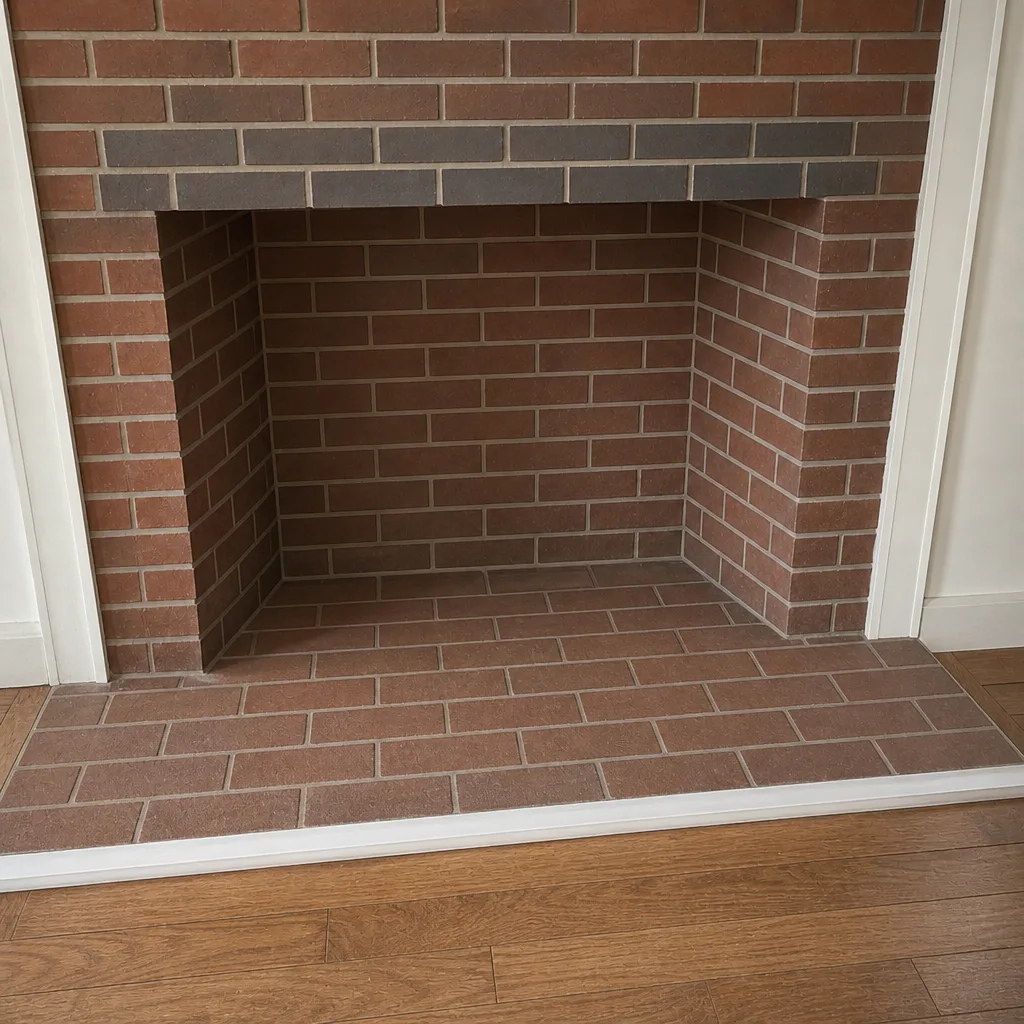
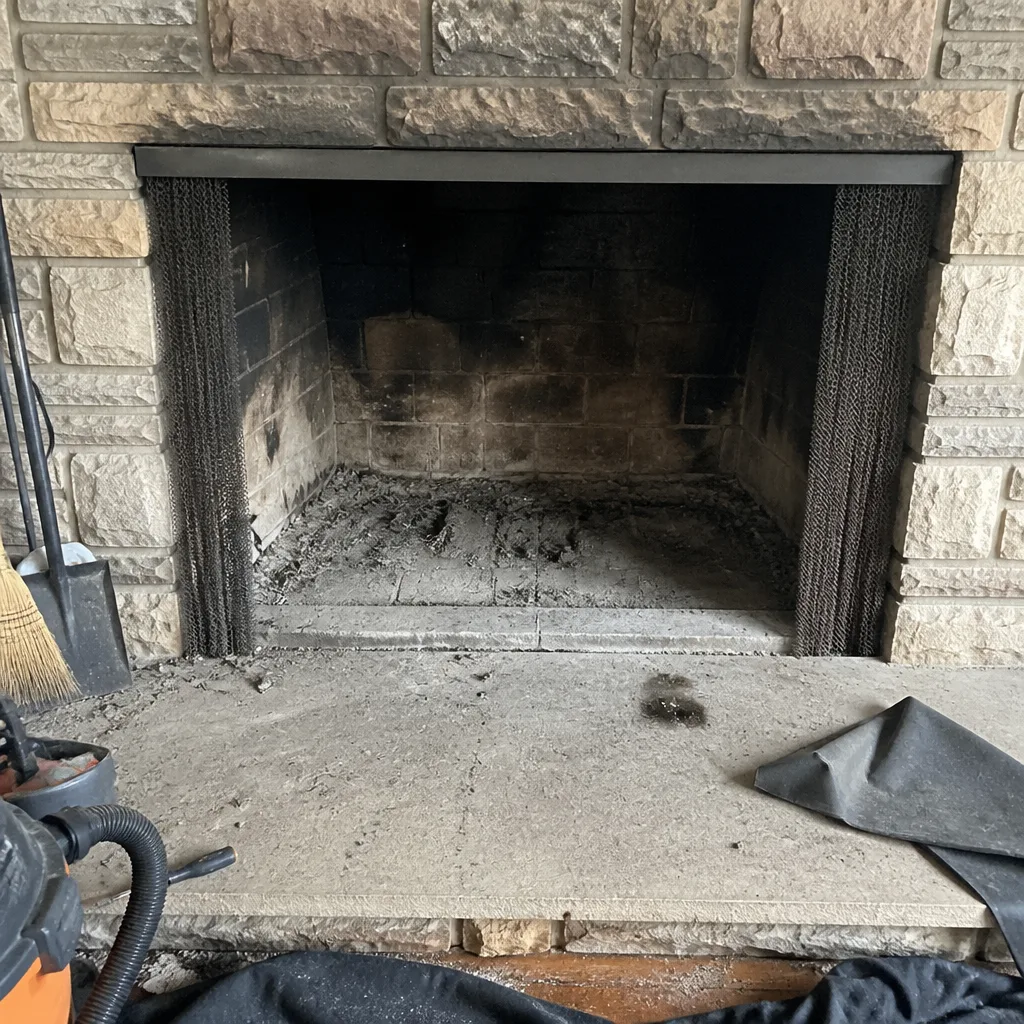
See the difference
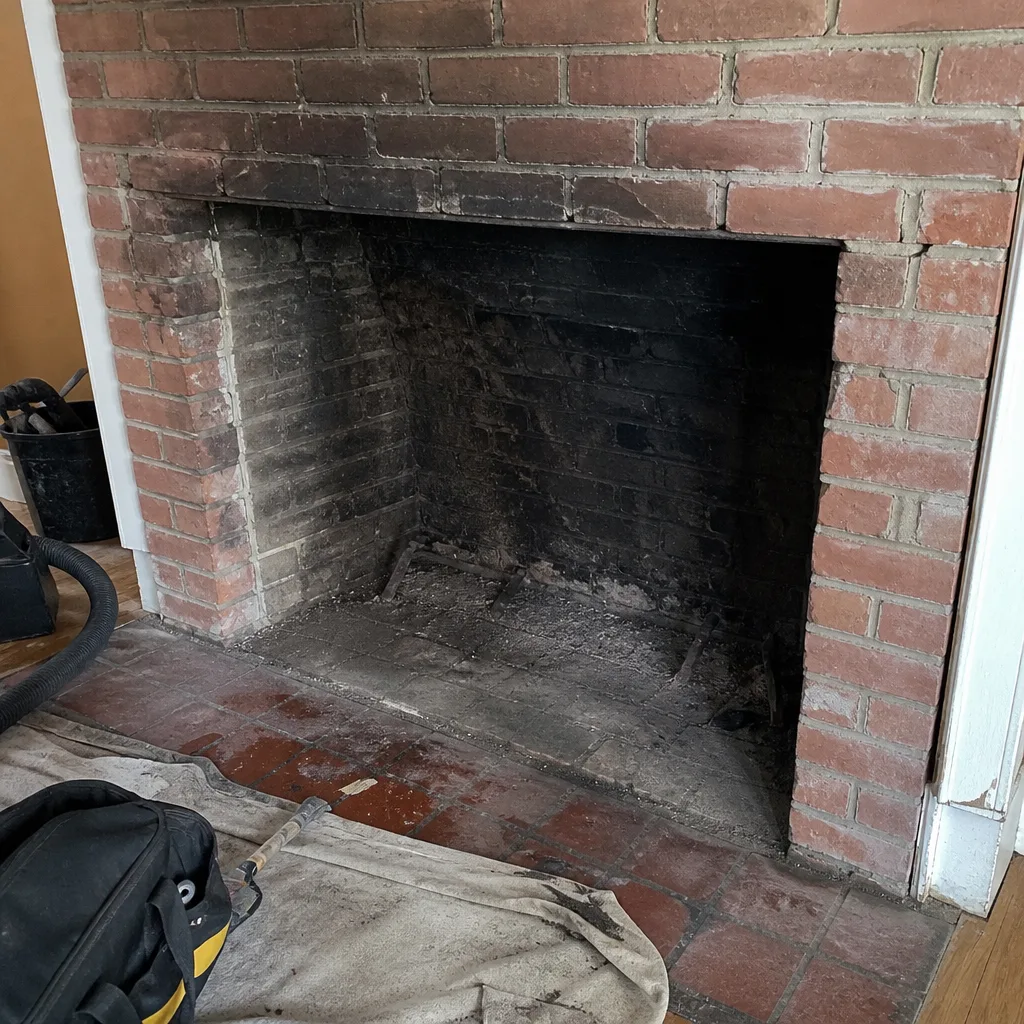 Before
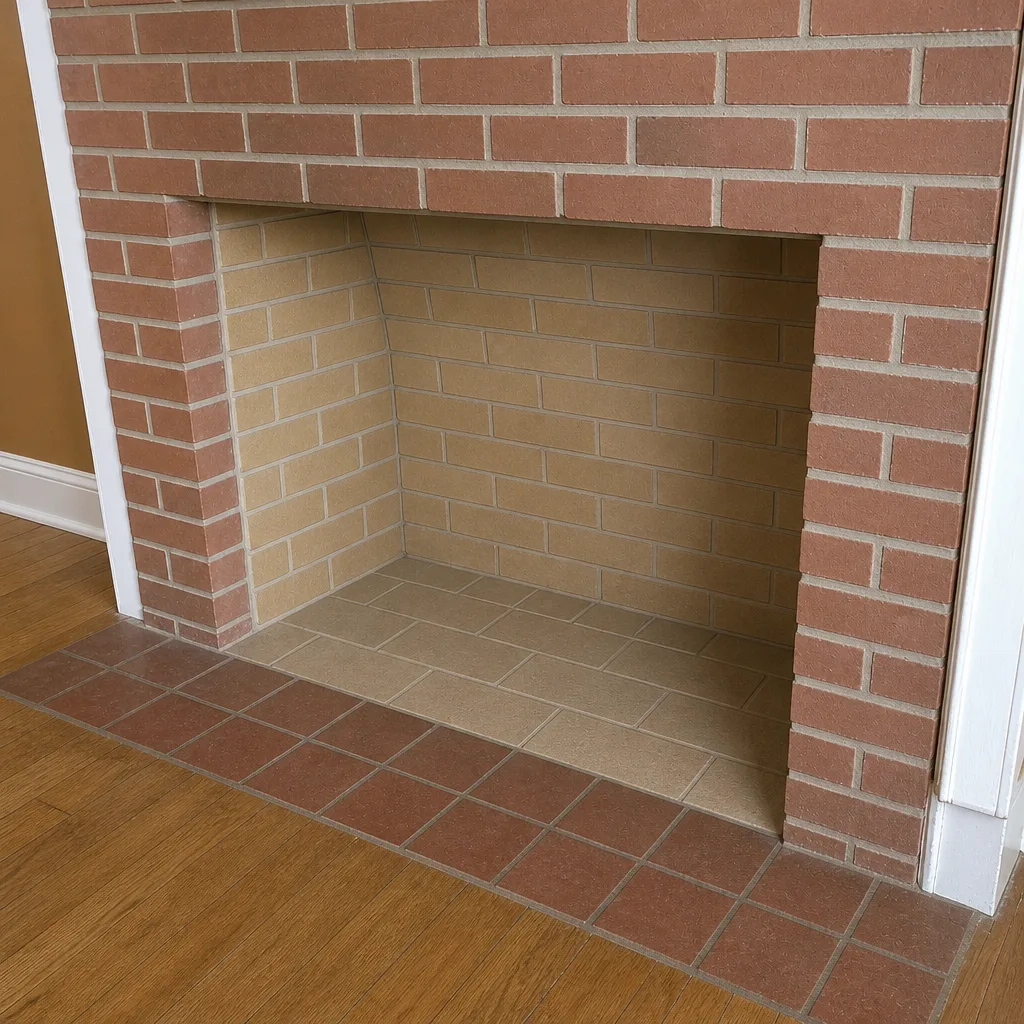 After
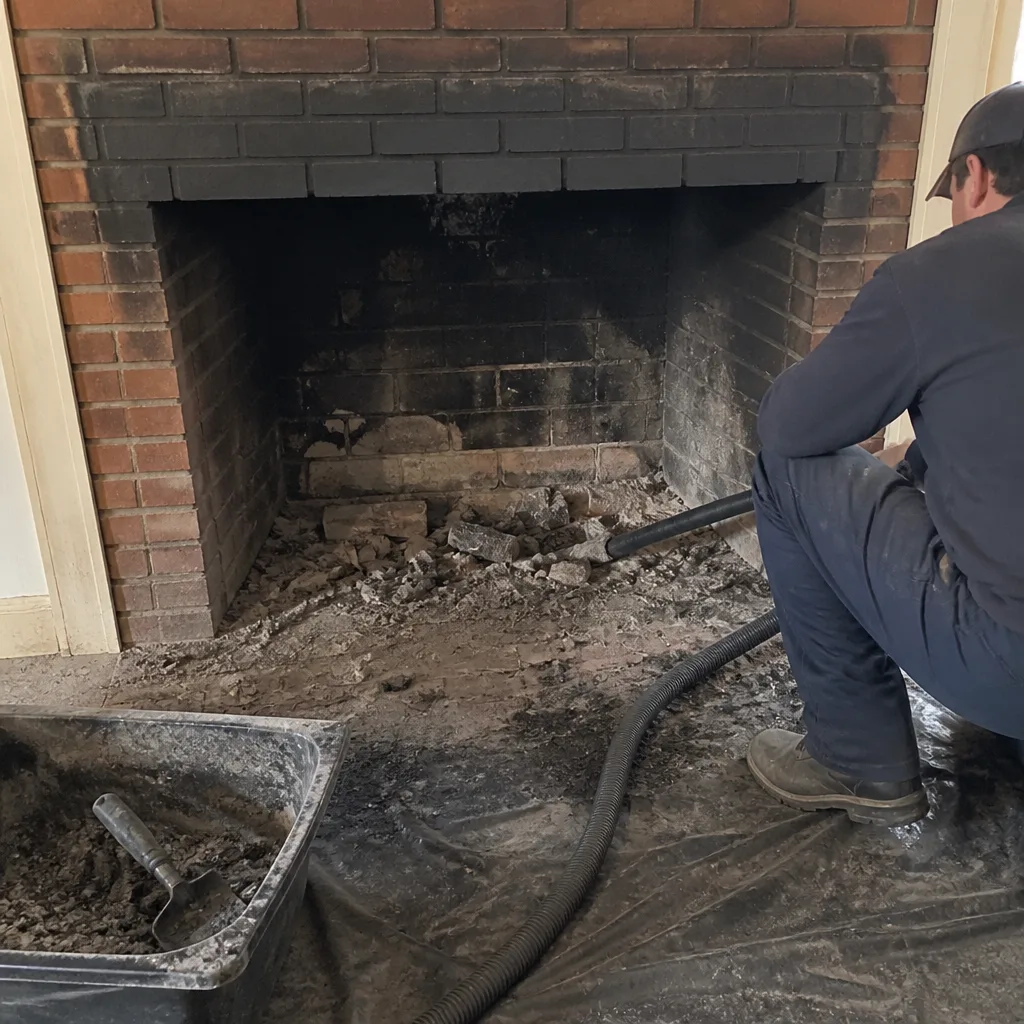 Before
 After
 Before
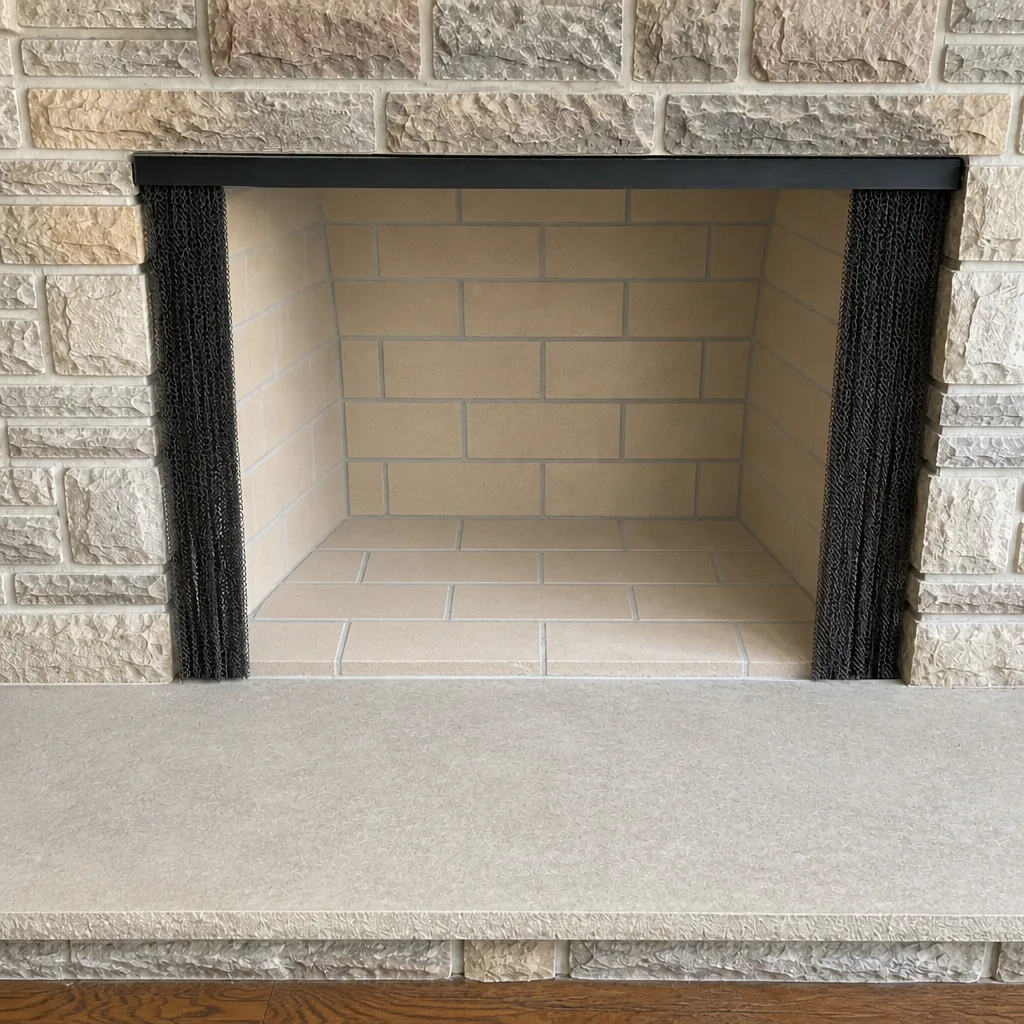 After
When to Call a Professional
Call a professional chimney service in Woodside when any of the following is true: you’ve just bought the home and don’t have a documented inspection; you’ve never had the chimney inspected; the fireplace smokes into the room or smokes back when you open the damper; you smell a strong smoky odor in the house when no fire is burning; you’ve had a chimney fire, even a small one; or the crown or cap is visibly cracked or missing. Also call if a prior sweep handed you a receipt instead of a report, because the liner condition is unknown.
Where the work is a routine sweep and inspection, the risk is low. Where the finding involves the liner or masonry, the cost of waiting is high. We’ll tell you plainly what we find and what it means for your home’s safety, and we won’t recommend a repair without showing you the evidence for it. Chimney Sweep Woodside offers free estimates in Woodside. Call (855) 550-7639.
Frequently Asked Questions
A standard sweep typically runs in a moderate range that depends on the flue’s condition and access, and a full-system clean that includes the smoke chamber and inspection usually costs more than a basic brush pass. We set the price per job by the written estimate, so you see the number before any work begins. Estimates are free. Call (855) 550-7639 for an exact quote.
Not always. A liner needs replacing when a camera scan shows cracks, gaps at joints, or thinning that a repair cannot safely address. If the damage falls within what HeatShield flue restoration can resolve, we’ll tell you that instead, because it costs less and avoids a full replacement. Ask to see the scan either way. Estimates are free. Call (855) 550-7639.
Chimneys are generally swept once a year, and more often with heavy use or unseasoned fuel. The annual inspection matters even in years you skip the sweep. Woodside homes that burn steadily through the winter should be on the yearly schedule; wood use that’s occasional still needs an inspection. Call (855) 550-7639 for an exact quote.
Creosote builds up on the flue walls and smoke chamber, which reduces draft and raises the risk of a chimney fire. Blockages can also push carbon monoxide back into the house. Skipping a sweep doesn’t fail immediately; it fails when the buildup reaches a point where the next fire is one fire too many. Call (855) 550-7639 to book a sweep and inspection.
A Level 1 is a visual check of accessible parts during a routine sweep, and a Level 2 adds video scanning of the flue interior plus a closer look at crown, cap and flashing. Woodside home purchases, appliance swaps and past chimney fires call for a Level 2. If you’re not sure which applies, ask when you book. Call (855) 550-7639.
We clean the smoke chamber. It’s part of the full-system clean we do, using abrasive hand tools and rotary equipment to reach the sloped surfaces above the firebox. If a prior sweep only brushed the flue, the chamber probably still has deposits. We’ll show you what we find. Call (855) 550-7639.
Yes. Gas fireplaces and vents need inspection too, and a blocked gas vent can pose a carbon-monoxide risk. We check the venting and the firebox on gas systems, not just wood-burning chimneys. Call (855) 550-7639 for an estimate.
The Bottom Line
Chimney cleaning in Woodside is not a single brush pass down a flue. It’s a full-system job: crown, cap, flue, smoke chamber, damper, firebox and liner, each checked and documented. The smoke chamber is the part most sweeps skip, and it’s the part most likely to matter in a chimney fire. Row houses and attached homes in Woodside change how draft and creosote behave, so the cleaner has to look at the whole envelope, not just the flue opening. A Level 2 inspection applies after a home purchase, a new appliance or a prior fire. And a report you can read, with photos of any finding, is what separates a real visit from a receipt. Professional-grade materials and a full-service company mean one visit covers the sweep and whatever repair the sweep turns up.
Book a Chimney Cleaning in Woodside
If your chimney has never been scoped, or your last sweep handed you a receipt and nothing else, it’s worth having the full system looked at. We sweep, inspect and repair under one company, using DuraFlex, HeatShield, Famco, Copperfield and Olympia Chimney supply, so nothing gets shuffled to a second contractor. Our technicians have up to 9 years of experience, and every visit produces a written report you can read. We’ll tell you exactly what we find and what it means for your home’s safety. Call (855) 550-7639 for a free estimate. We answer 24/7. Fast dispatch from 7am to 7pm, Sunday through Friday. If you’d like to line up the routine visit first, start with a chimney sweep and we’ll take it from there.
Written by the team at Chimney Sweep Woodside.