
Last updated November 25, 2026
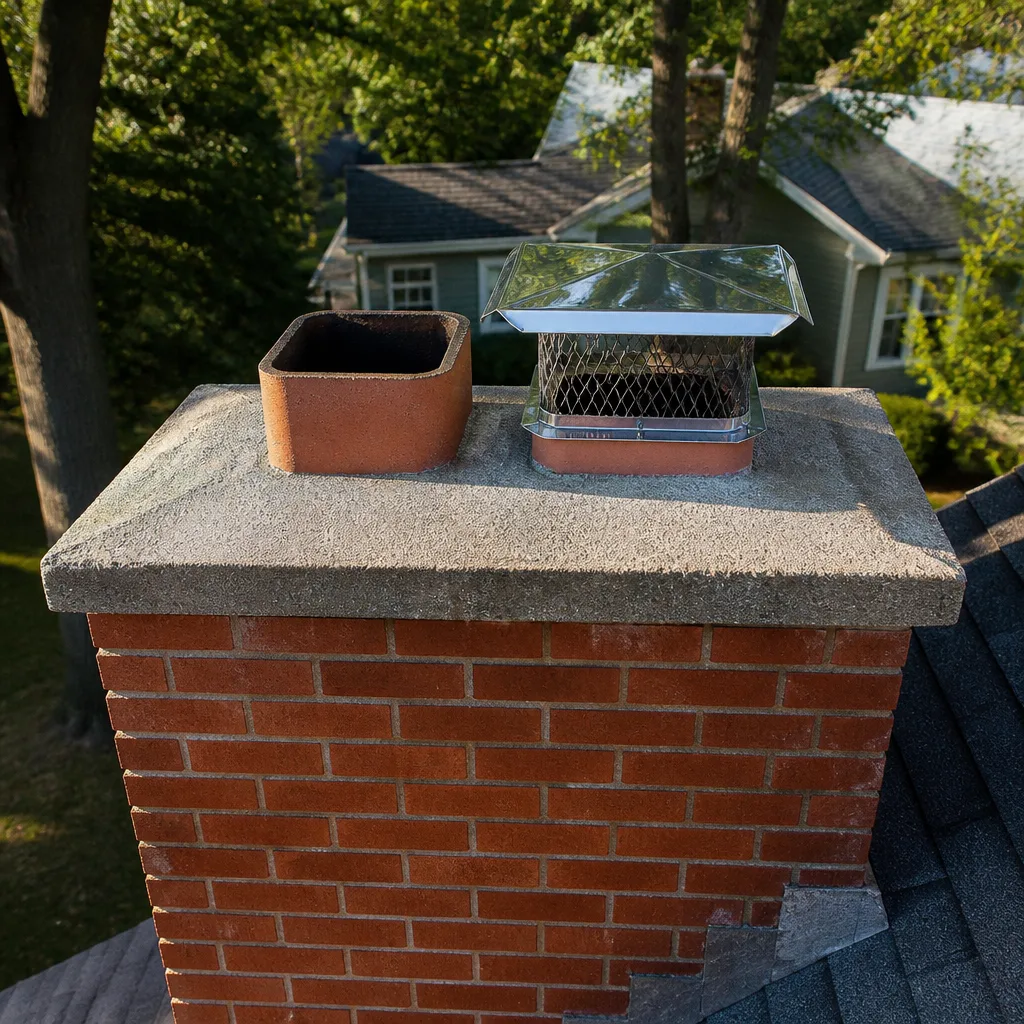 Sweep & inspection
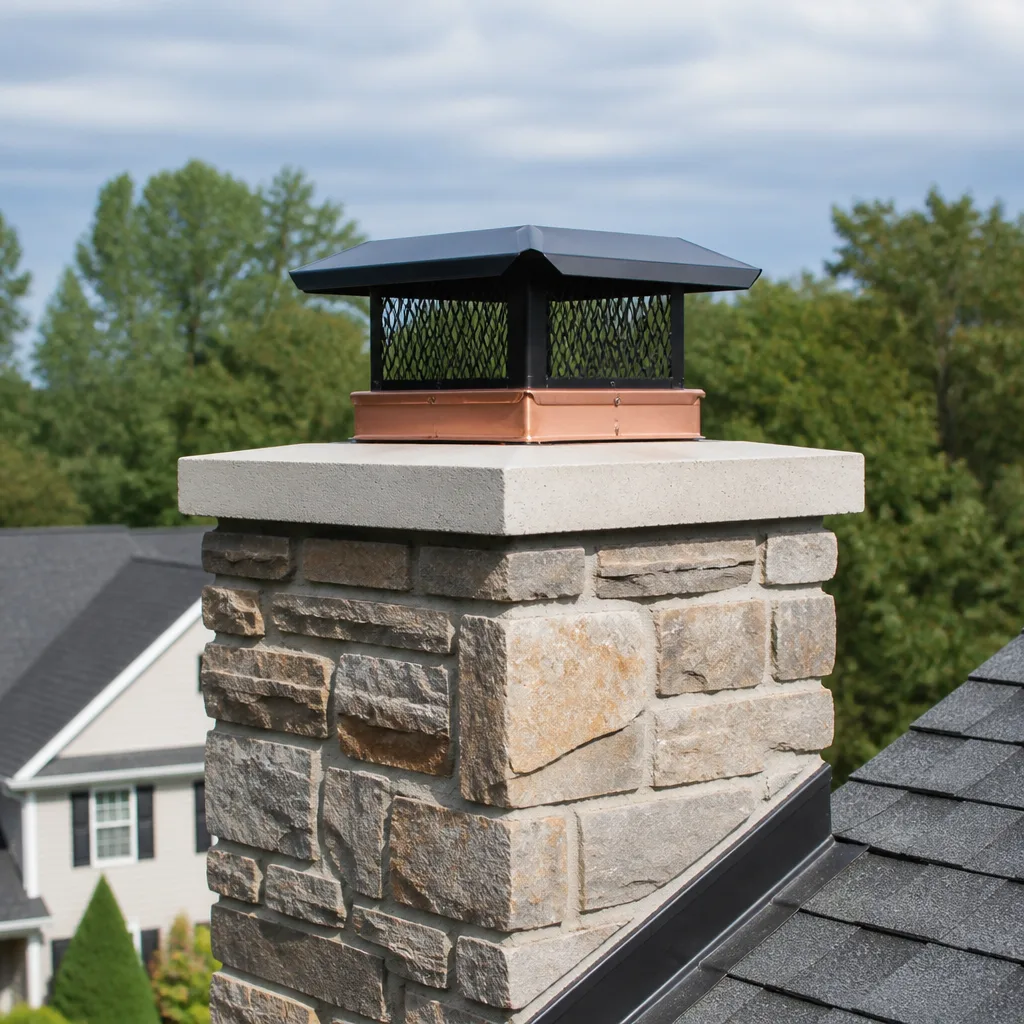 Caps & crowns
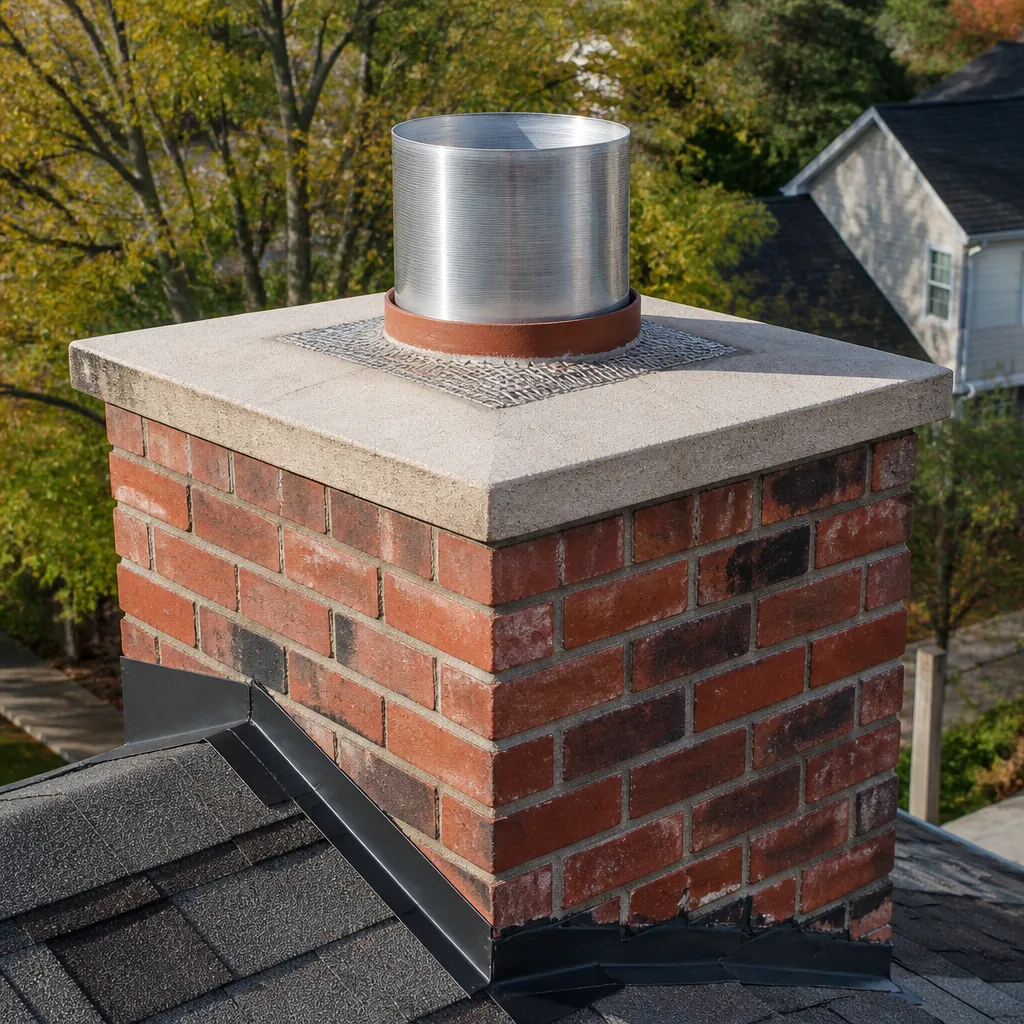 Flue relining
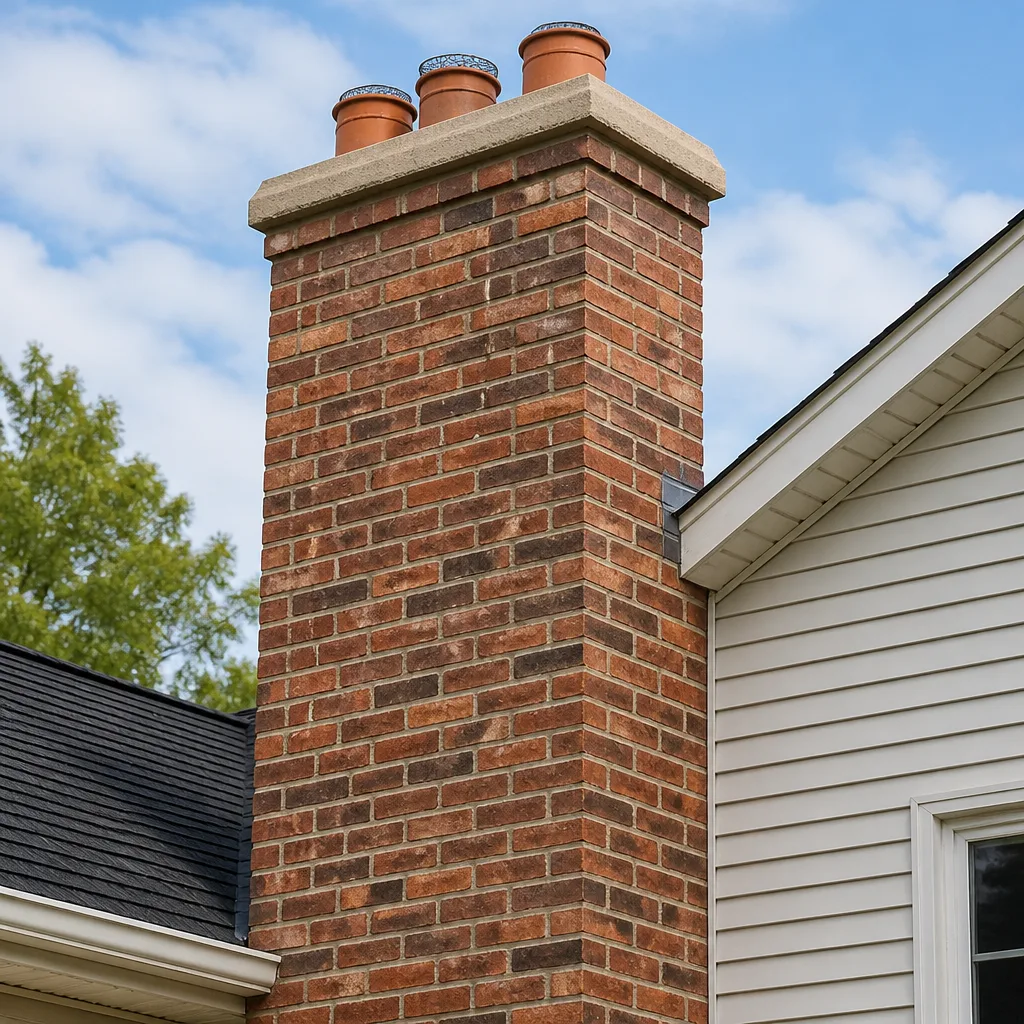 Masonry repair
 Gas fireplace service
Level 1 sweep and inspection to the NFPA 211 annual standard - flue, crown, cap, and flashing checked and photographed
Chimney sweep logs do not sweep chimneys. They loosen some creosote - which then falls where a brush and vacuum still have to collect it.
Chimney Cleaning Permits, Codes & Inspections in Woodside, NY: What You Need to Know
Most Woodside homeowners assume that any chimney work short of a full rebuild falls outside the city’s permit system. That assumption is where the trouble starts. Installing a stainless steel liner in a Woodside home without a NYC DOB permit isn’t just a code violation: it becomes a material fact that has to be disclosed during a sale, and it can stall a closing if the buyer’s inspector catches it. The same is true for structural masonry repairs and appliance connections. What follows separates the work that genuinely needs no filing from the work that does, explains how NFPA 211 and the NYC Building Code overlap for Queens residential chimneys, and shows you how to verify a contractor’s filing before a single tool comes out of the van.
Quick Answer
Routine chimney cleaning and a Level 1 inspection are permit-exempt in Woodside, NY. Liner installation, structural masonry repair to the chimney or crown, and new appliance connections generally require a NYC Department of Buildings filing, and that filing is the contractor’s responsibility, not yours. Ask to see the DOB job number before work begins, and keep a copy of the signed filing with your closing documents.
Styles & brands we work with
- Sweep & inspection
- Caps & crowns
- Flue relining
- Masonry repair
- Gas fireplace service
Table of Contents
- Where the Permit Line Actually Falls in Woodside
- NFPA 211 vs. the NYC Building Code: Two Standards, One Chimney
- Local Law 11 and What It Means for Woodside Chimneys
- Alt-1 vs. Alt-2 Filings and How to Request a Contractor’s DOB Paperwork
- When a Previous Owner’s Unpermitted Work Becomes Your Problem
- Level 1, Level 2 and Level 3 Inspections Explained
- Step by Step: Filing and Scheduling Chimney Work in Woodside
Where the Permit Line Actually Falls in Woodside
In Woodside, chimney work divides into two clean categories: work that touches the structure or the venting system, and work that only cleans or observes it. If a job changes the chimney’s materials, its physical dimensions, or the way an appliance connects to the flue, it almost always needs a NYC DOB filing. If the job only removes creosote or documents condition, it doesn’t.
Here’s how the split typically breaks down for a Woodside home:
- No permit required: a standard chimney sweep, a Level 1 visual inspection, cap replacement where no structural work is involved, and routine firewall or damper adjustment.
- NYC DOB filing generally required: stainless steel liner installation, cast-in-place flue resurfacing that changes the flue’s dimensions, masonry crown replacement, structural chimney repair, removal or relocation of a chimney, and connection of a new appliance to an existing flue.
- Gray zone, confirm with DOB: minor crown patching, flashing repair, and repointing of isolated mortar joints. It depends on whether the work is treated as maintenance or alteration, and the safest move is to ask your contractor for their filing position in writing.
The practical takeaway: any time we propose a liner, a rebuild, or a new appliance connection in a Woodside home, that’s a project a licensed contractor has to file. A sweep alone never is. If a contractor tells you a liner install “doesn’t need paperwork,” that’s your cue to get a second opinion before signing anything.
NFPA 211 vs. the NYC Building Code: Two Standards, One Chimney
NFPA 211 is the national standard for chimneys, fireplaces, vents and solid fuel appliances. The NYC Building Code is the local law. For a Queens residential chimney, both apply at once, and knowing how they interact will save you a lot of confusion when a contractor cites one and an inspector cites the other.
NFPA 211 sets the baseline: minimum flue clearances, liner requirements, inspection levels, and the criteria a chimney must meet to be considered serviceable. It is the document that tells you when a cracked clay tile has to be relined and when a chimney is past safe repair. The NYC Building Code layers local requirements on top: permit filing for alterations, materials approvals, flue sizing rules under the fuel gas and mechanical provisions, and rules for how a chimney must terminate above a roofline. In practice:
- A chimney can pass NFPA 211’s logic for a serviceable flue and still fail the NYC Building Code’s filing requirement for the liner that would satisfy it.
- Conversely, a contractor can file a permit that meets code and still install a liner that doesn’t meet NFPA 211 sizing for the appliance, which is why the inspection matters as much as the filing.
- The cleanest approach: use NFPA 211 to decide what the chimney needs, and the NYC Building Code to decide how that work gets filed and installed.
When we quote a restoration in Woodside, the liner is selected against the appliance’s venting requirements first, and then the filing is prepared to match. Getting that order right prevents the most common retrofit failure: a technically permitted install that drafts poorly because the sizing never matched.
Local Law 11 and What It Means for Woodside Chimneys
Many Woodside homes are attached, semi-attached, or part of a row where your chimney shares a wall or a parapet line with a neighbor. That’s where Local Law 11 enters the picture. Local Law 11 is the city’s facade inspection rule, and while it’s most associated with large buildings, its logic matters for any structure where the chimney crown or stack rises above the roofline in a way an inspector would reasonably inspect from the facade side.
The interaction you need to understand is this: a failing chimney crown is water damage, and uncontrolled water is what turns a repairable crown into deteriorated masonry below it. On attached Woodside homes, moisture from a cracked crown doesn’t just affect your chimney. It can work into the shared parapet wall and the flashing where the chimney meets the roofline, and that’s the exposure a facade inspection is designed to catch.
What that means for you as a homeowner:
- If your chimney crown shows spalling, cracking or missing mortar at the crown edge, treat it as a water-management problem, not a cosmetic one.
- Ask a contractor to photograph the crown and the parapet from the roof before recommending repair, so you can see the condition for yourself.
- For attached homes in Woodside, coordinate with your neighbor before crown or parapet work begins, since scaffold or ladder access often crosses the property line.
A crown that’s patched properly, once, with professional-grade materials, does more for the long-term health of a Woodside chimney than three rounds of surface coating. That’s why the chimney cap & crown work on these homes is worth doing right the first time.
Alt-1 vs. Alt-2 Filings and How to Request a Contractor’s DOB Paperwork
Two DOB filing types cover most chimney work on a Queens residential property: Alt-1 and Alt-2. An Alt-1 is a major alteration and typically involves change of use, egress, or occupancy. Most straightforward chimney liner installs and crown replacements are Alt-2 filings, which cover alterations that don’t change use or egress. Knowing which one applies helps you ask the right question.
- Ask the contractor, in writing, whether the scope is Alt-1 or Alt-2, and ask for the DOB job number.
- Request a copy of the filing package before work begins. A licensed contractor will have no problem sharing the job number and the scope description.
- Look up the job number in the DOB NOW public portal and confirm the scope matches what you were quoted (liner, crown, masonry, or appliance connection, as applicable).
- Keep a copy of the approved filing and the final sign-off with your closing documents. A future buyer’s inspector will ask for it.
- If a contractor deflects on the filing question or tells you the work is “too small to file,” that’s a signal to slow down.
For Woodside homeowners, the Alt-2 route is the one you’ll see most often on a liner install. The filing isn’t a burden on you, but keeping a copy is your responsibility as the property owner, and it’s the document that protects your ability to sell without a disclosure problem later.
When a Previous Owner’s Unpermitted Work Becomes Your Problem
This is the scenario that catches Woodside homeowners at the worst possible time: you inherit a home where an earlier owner installed a stainless steel liner without a permit, and you find out about it during the buyer’s inspection after your own offer is accepted somewhere else. The liner itself may be perfectly sound. The problem is the paper trail, or the lack of one.
Unpermitted chimney work creates three separate problems:
- Disclosure. In New York, unpermitted alteration work is something a seller is expected to disclose. If you didn’t know, that’s a defense, but you have to be able to show it, and the safest path is a Level 2 inspection that documents the liner condition and identifies whether the install is a compliant, code-meeting product in good repair.
- Insurer response. Homeowner’s policies can be read to exclude damage from unpermitted or non-code-compliant work. That’s not a certainty in every case, and it’s worth asking your own insurer directly, but it’s a real exposure to have on the table.
- Closing friction. A buyer’s inspector who finds an unpermitted liner will ask the seller to remediate. If the liner is sound and matches the appliance, remediation is often a matter of filing the paperwork retroactively and getting a permit inspection. If the liner is undersized or installed incorrectly, it has to come out.
The remediation sequence for unpermitted liner work in Woodside usually runs: Level 2 inspection, condition documentation with photos, a licensed contractor’s assessment of whether the installation meets NFPA 211 sizing and the NYC Building Code, then filing the appropriate retroactive paperwork with the DOB. If the assessment shows the liner is non-compliant, replacement is the answer, and it will be a permitted job from the start. Either way, the earlier in a purchase or sale timeline you check, the less it costs.
Level 1, Level 2 and Level 3 Inspections Explained
NFPA 211 defines three inspection levels, and knowing which one you’re paying for is essential to the permit and code conversation. A Level 1 is the routine check that comes with an annual sweep. A Level 2 is what you need during a sale, after a chimney fire, or after an appliance change. A Level 3 is what happens when the first two can’t answer the question.
- Level 1: visual inspection of the accessible portions of the chimney, firebox, flue and appliance. No camera required. This is what accompanies a chimney sweep and is permit-exempt.
- Level 2: everything in a Level 1, plus a camera inspection of the flue and inspection of accessible portions of the chimney in accessible attics, crawl spaces and basements. Required when a sale is pending, after an operating malfunction or chimney fire, or when a change is made to the appliance or venting.
- Level 3: includes the above plus removal of parts of the chimney or building construction to access concealed areas. Needed only when a Level 1 or Level 2 reveals a problem that can’t be assessed from accessible vantage points.
For Woodside homeowners, the Level 2 is the inspection you should request before any liner or structural work is filed and again at sale. It’s also the one that gives the contractor the evidence they need to justify the scope in a DOB filing. Every inspection we run at Chimney Sweep Woodside includes a camera review and a photo report; you see the same flue interior the technician sees, which is the point.
Step by Step: Filing and Scheduling Chimney Work in Woodside
Here’s the sequence that keeps a Woodside chimney project clean from start to finish, whether it’s a routine sweep or a liner install that needs a filing:
- Book a Level 1 inspection and sweep first. This tells you what the chimney actually needs before anyone quotes a repair. If the answer is “nothing yet,” you’ve spent one visit and learned the truth.
- Request a Level 2 camera inspection if the scope includes any structural or liner work. You should receive photos of the flue interior, the crown, the cap and the firebox.
- Get a written scope that names the appliances, flue sizes, and materials. For a liner, that means a specified product. Professional-grade liner systems, like DuraFlex, are sized against the appliance; a generalist handyman quoting a “one-size” liner is a red flag.
- Confirm whether the job needs a DOB filing and who is filing it. The filing is the contractor’s responsibility. If they can’t produce a job number, they can’t legally file the work.
- Schedule the install. Ask about material sourcing. Contractors working from trade-only suppliers, like Olympia Chimney, install components sized to the manufacturer’s spec, not hardware-store substitutions.
- Get the final inspection sign-off and file it. Keep the approved filing, the sign-off and the inspection report together with your closing documents.
If the inspection shows the flue is deteriorated but still structurally sound, the option to restore rather than replace is worth asking about. HeatShield flue resurfacing is designed to restore a deteriorating clay flue without a full liner replacement, and it’s a permitted repair when it’s the correct fix. That’s the kind of decision point we walk through with every Woodside homeowner: what needs to be done, what can wait, and what can be safely restored instead of replaced. If you’ve never had your chimney inspected, start with a Chimney Sweep Woodside and let the camera tell the story first.
Common Mistakes to Avoid
- Treating “no permit needed” as a blanket statement. Cleaning and Level 1 inspections are exempt; liner installs and structural repairs are not. If a contractor paints all chimney work as permit-free, that’s the wrong frame.
- Skipping the Level 2 inspection before a sale. The inspection that documents liner condition and code compliance belongs in your file before the buyer’s inspector finds the problem for you.
- Assuming the plumbing or HVAC contractor’s filing covers the chimney. It doesn’t. A chimney scope is its own filing, and if the filing doesn’t name the liner or crown work, it isn’t covering it.
- Letting a crown crack go because the leak is “just a drip.” On attached Woodside homes, that drip travels into shared parapet and flashing, and it’s how repairable crown damage becomes masonry damage.
- Accepting a liner quote without a specified product. A liner has to match the appliance and the flue dimensions, and a quote that doesn’t name the product can’t be verified against code.
- Not keeping the filing with closing documents. The DOB filing and inspection report are yours to keep, and they are what protects you at the next sale.
- Hiring a generalist handyman for structural chimney work. Chimney repair, liner installation and crown replacement are regulated trades in NYC. Verify the license and the filing before you book.
See the difference
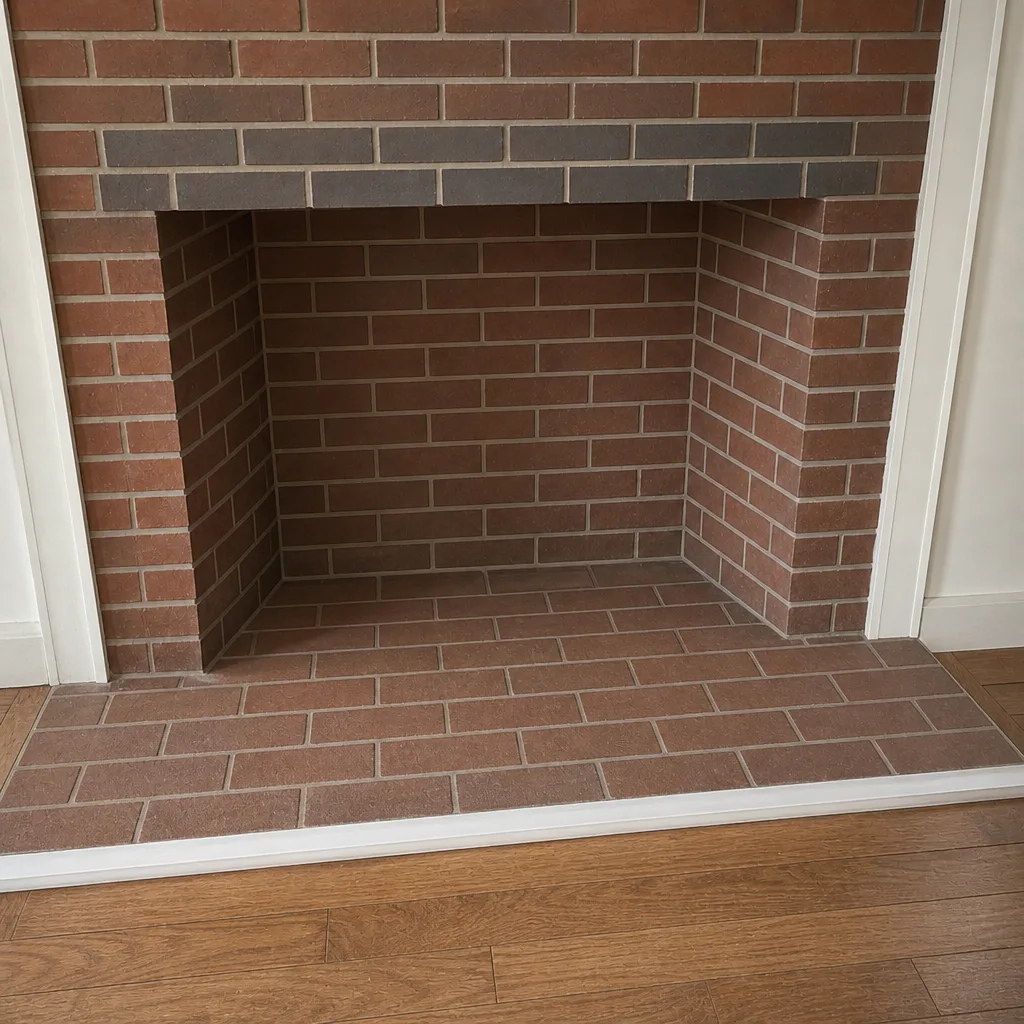
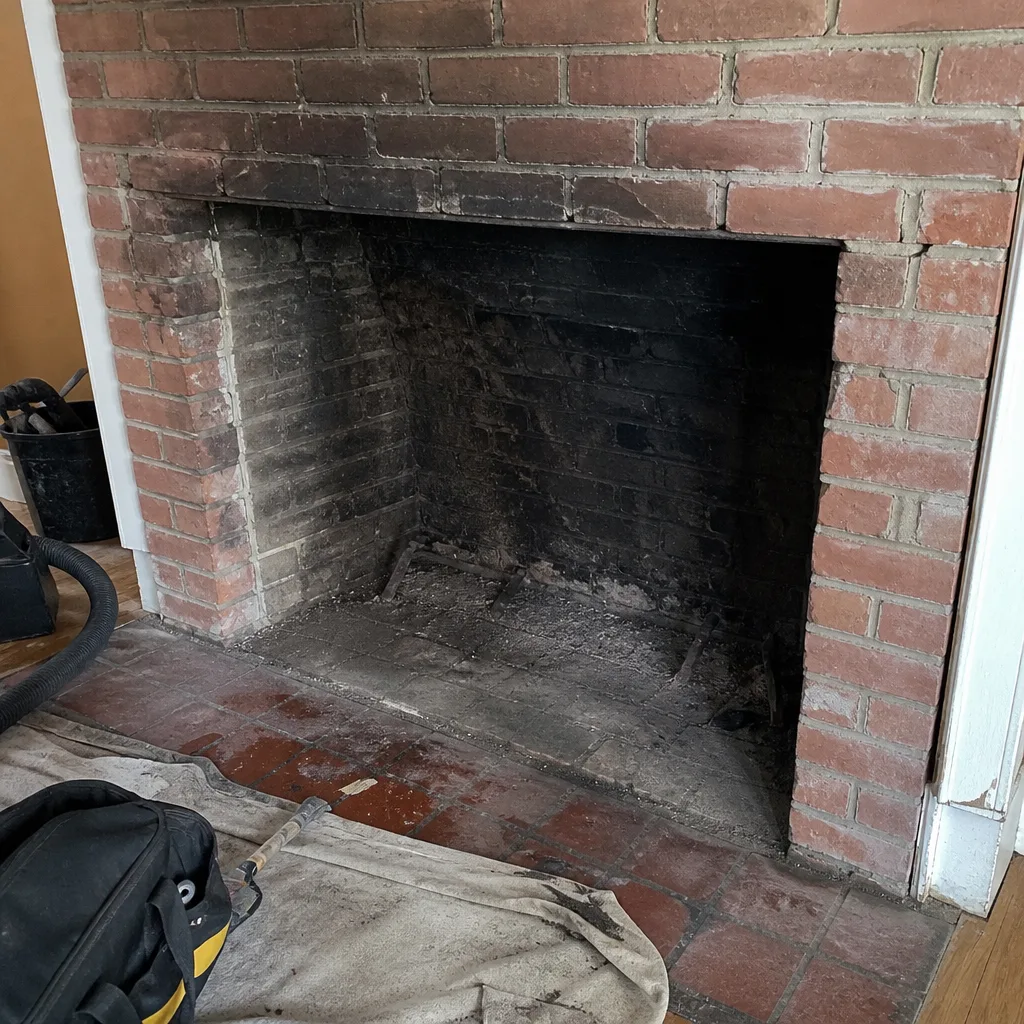 Before
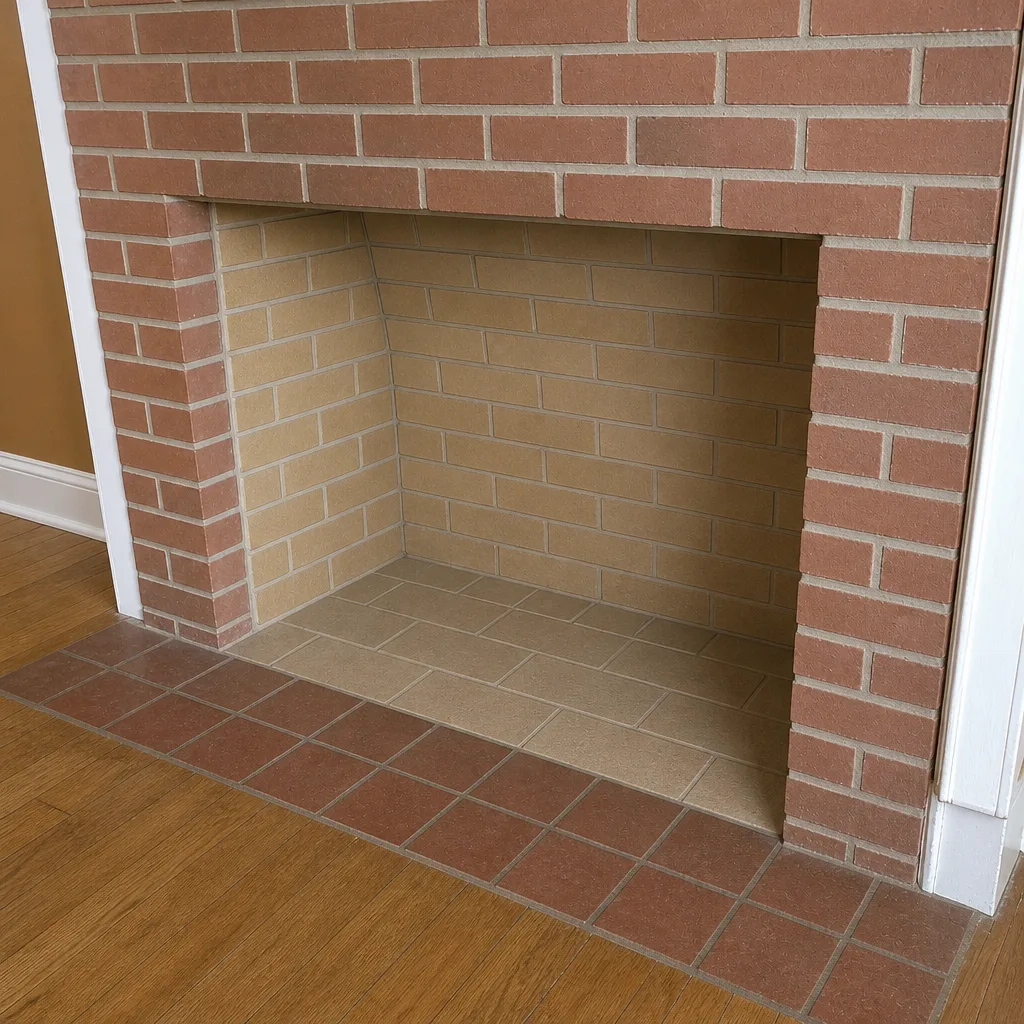 After
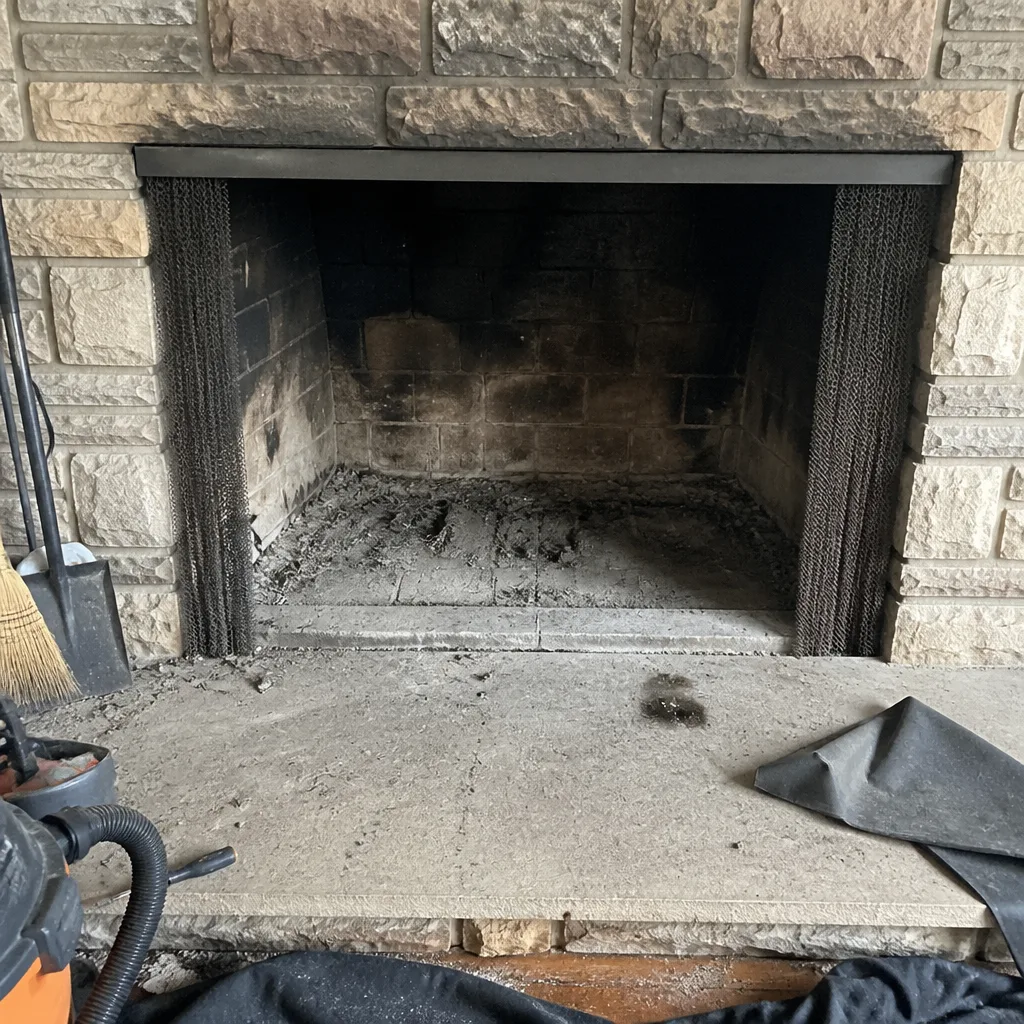
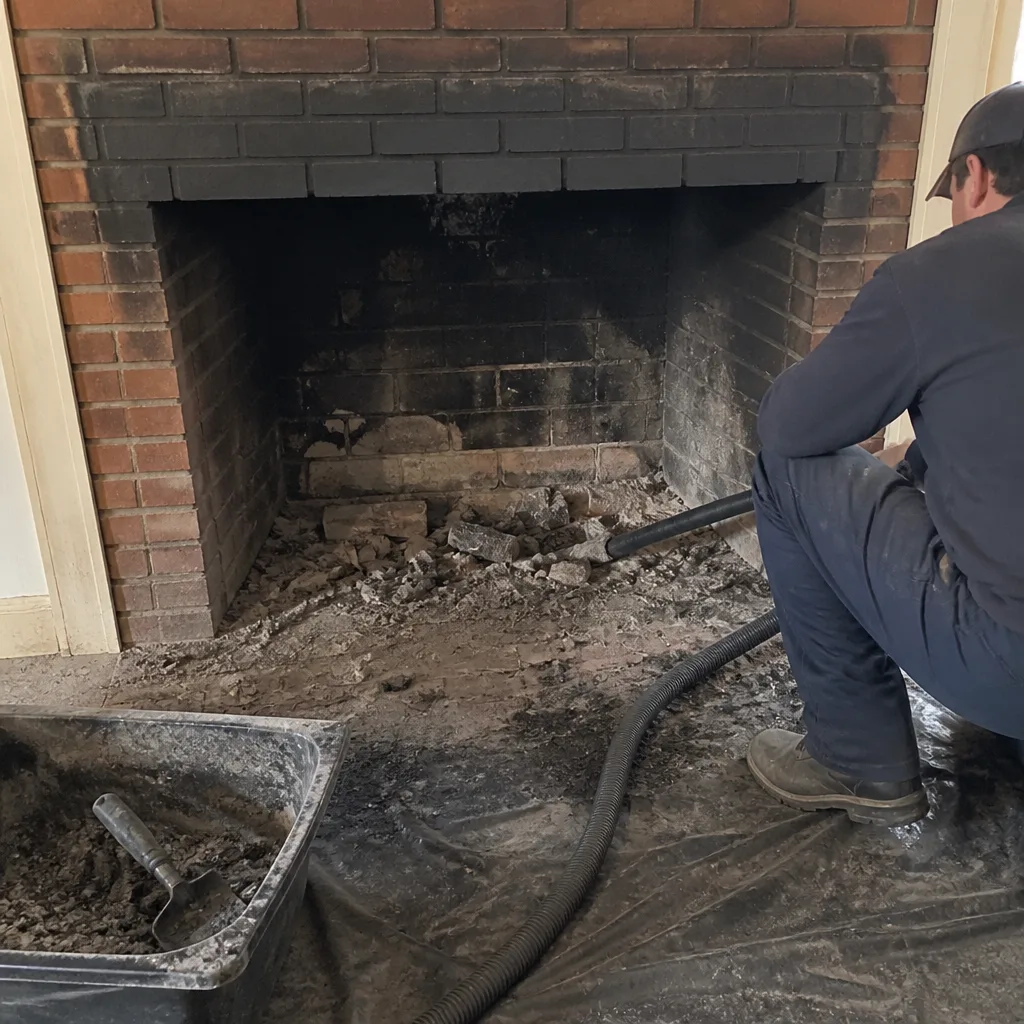 Before
 After
 Before
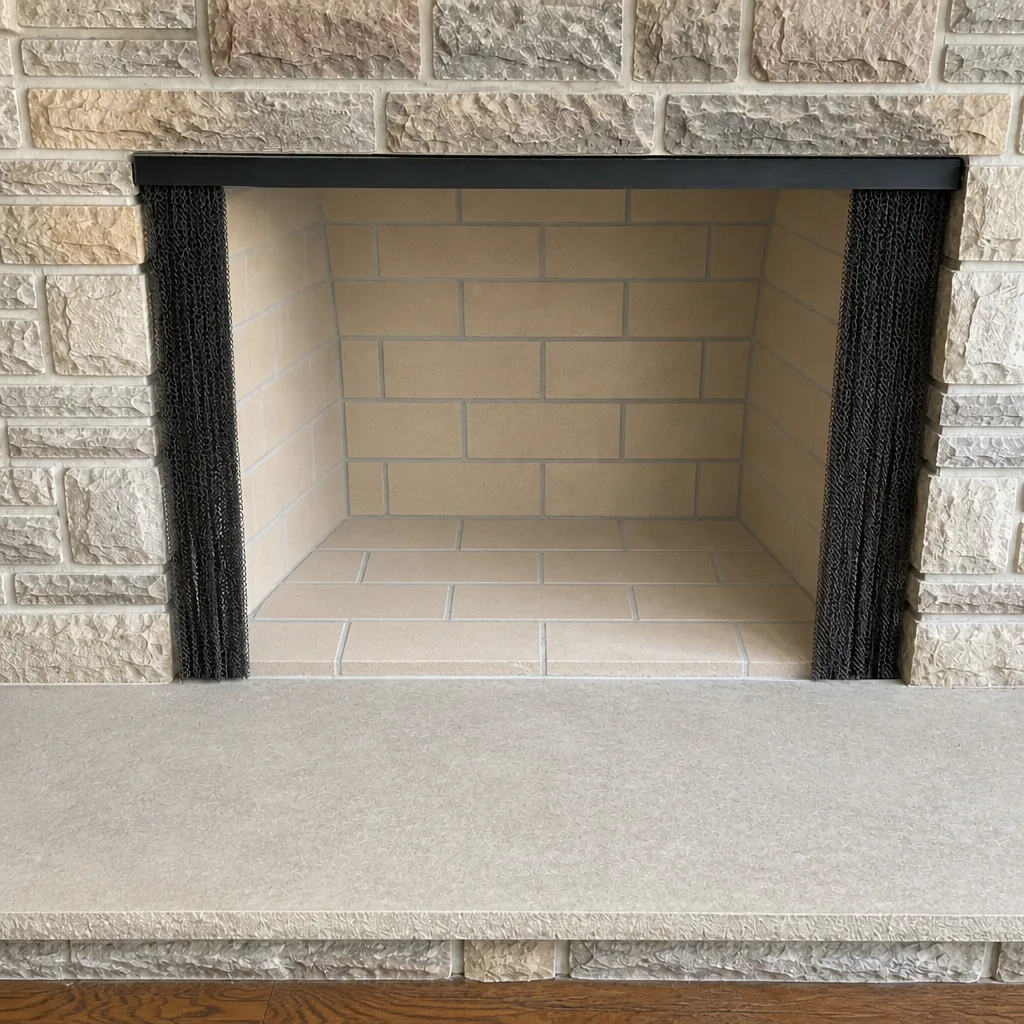 After
When to Call a Professional
Some chimney questions can wait for the next seasonal visit. Others can’t. Call us if any of these applies: you’re buying or selling a Woodside home and don’t have a Level 2 inspection on file; a contractor has quoted liner or structural work without mentioning a DOB filing; you smell smoke in the house or the flue draft feels weaker than last winter; a previous owner’s liner has no paperwork; or you’ve never had the flue inspected at all. High-tension springs, gas connections and structural masonry are not do-it-yourself work, and neither is any flue alteration that requires a permit. Chimney Sweep Woodside offers free estimates in Woodside. Call (855) 550-7639. We answer 24/7. Fast dispatch from 7am to 7pm, Sunday through Friday.
Frequently Asked Questions
Yes. Installing a stainless steel liner is an alteration to the venting system and generally requires a NYC DOB filing, typically as an Alt-2. The contractor performing the work files the permit, and that filing should be provided to you before work begins. If a contractor says a liner install doesn’t need a permit, ask them to put that in writing and get a second opinion. Call (855) 550-7639 for an exact scope assessment – estimates are free.
Yes. A routine chimney sweep and a Level 1 inspection are permit-exempt in Woodside and across Queens. What tips a job into permit territory is a change to the flue, the masonry or the appliance connection. If a sweep reveals a needed liner or crown repair, that’s a separate, filable scope. A sweep that only removes creosote and documents condition never needs a filing.
NFPA 211 is the national standard for what a safe, serviceable chimney is; the NYC Building Code is the local law that governs how the work is filed and installed. Both apply. NFPA 211 tells you the liner has to be sized correctly for the appliance; the NYC Building Code tells you the install has to be permitted. A compliant job satisfies both. A permitted job that drafts poorly because the liner is undersized satisfies neither in practice. Call (855) 550-7639 to talk through which inspection level fits your situation.
Yes. Unpermitted liner or structural chimney work is a disclosure item in New York, and if a buyer’s inspector finds it during the inspection period, it can stall the closing until it’s remediated. Remediation usually starts with a Level 2 camera inspection and a licensed assessment of whether the installation meets NFPA 211 and the NYC Building Code, then the appropriate retroactive filing. If the liner is non-compliant, it gets replaced. Call (855) 550-7639 to get that assessment moving before the inspection period starts.
Ask the contractor, in writing, for the DOB job number and a copy of the filing package, then look the job number up in the DOB NOW public portal and confirm the scope matches your quote. A licensed contractor will share this without hesitation. A contractor who deflects on the question is telling you something important. Keep the approved filing and final sign-off with your closing documents.
Local Law 11 is the city’s facade inspection rule, and its relevance to a Woodside chimney is the crown and parapet condition where your chimney shares a wall or roofline with a neighbor. A failing crown sends water into shared masonry and flashing, which is the exposure a facade inspection is built to catch. For attached Woodside homes, addressing crown and parapet defects together is the right sequencing. Call (855) 550-7639 to schedule an inspection and see the crown condition for yourself.
The Bottom Line
Routine chimney cleaning and a Level 1 inspection don’t need a permit in Woodside. Liner installations, structural masonry repairs, crown replacement and new appliance connections generally do, and the filing is the contractor’s job to prepare and yours to keep. NFPA 211 and the NYC Building Code apply at the same time: the national standard decides what your chimney needs, and the local code decides how it gets filed and installed. Ask for the DOB job number before work begins. Keep the filing and inspection report with your closing documents. And if you’re inheriting a home with a previous owner’s liner work, get a Level 2 inspection and a licensed assessment before the buyer’s inspector does it for you. It’s all fixable, and it’s all cheaper to fix on your timeline than on someone else’s.
Written by the team at Chimney Sweep Woodside.